
Carbon Footprint By Diet Type
Updated September 18, 2026 · 4 min read
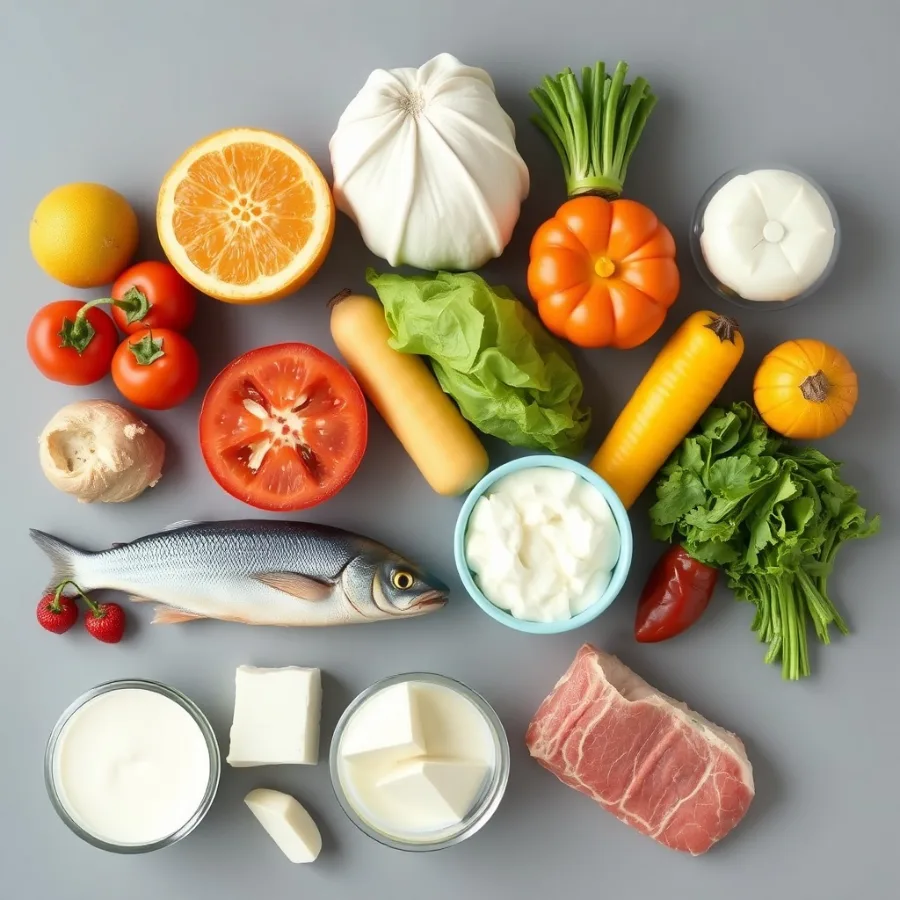
- Carbon footprint by diet type varies roughly 3x between a meat-heavy diet and a vegan one — studies put meat-eaters near 3.6kg CO2e/day and vegans near 1.4-2.1kg.
- Going vegetarian cuts a typical diet’s footprint by close to half; going fully vegan cuts it further still.
- Red meat and dairy drive the largest single share of most diets’ emissions — more than transport-related food miles.
- You don’t need a perfect diet to matter: shifting a few meals a week away from red meat produces a measurable reduction.
Your carbon footprint by diet type can differ more than almost any other personal lifestyle choice — recent studies show a meat-heavy diet emits roughly 2-3x the greenhouse gases of a vegan diet, day for day. The gap isn’t about “eating local” or food miles; it’s mostly about what’s on the plate.
The Numbers, Diet by Diet
| Diet type | Daily carbon footprint (kg CO2e) | vs. meat-eater baseline |
|---|---|---|
| Meat-eater (regular) | ~3.6 kg | baseline |
| Fish-eater (pescatarian) | ~2.7-3.2 kg | ~15-25% lower |
| Vegetarian | ~2.5-2.6 kg | ~30% lower |
| Vegan | ~1.4-2.1 kg | ~42-62% lower |
These figures come from 2025 studies in Poland and Spain tracking real dietary intake, not theoretical menus — the pattern holds across both: each step away from animal products lowers the number, with the meat-to-vegan gap the largest single swing.
Why Meat and Dairy Dominate the Number

Ruminant animals — cattle and sheep especially — produce methane during digestion, a greenhouse gas roughly 28-80x more potent than CO2 depending on the time horizon used. Add land-use change for pasture and feed crops, and beef alone can carry a footprint 10-20x higher per gram of protein than beans or lentils. Dairy sits in between: lower than beef, but higher than most plant proteins.
What Actually Moves the Needle
| Dietary shift | Typical footprint reduction |
|---|---|
| Cutting beef/lamb specifically (keeping chicken/fish) | ~20-30% |
| Full vegetarian switch | ~30-35% |
| Full vegan switch | ~42-62% |
| “Meatless Monday” style partial reduction | ~5-10% |
The Food-Miles Myth
A common assumption is that eating local automatically shrinks your carbon footprint by diet type. In practice, transport is usually a small slice of a food’s total footprint — often under 10% — while what the food actually is (animal vs. plant, ruminant vs. non-ruminant) dominates. A local beef burger still outweighs an imported plate of lentils.
A Realistic Path, Not an All-or-Nothing One

You don’t need to go fully vegan to see the carbon footprint by diet type shrink meaningfully. Studies tracking partial reductions — swapping red meat for chicken or plant protein a few times a week — still show measurable, compounding gains over a year without requiring an all-or-nothing lifestyle change.
Putting It in Context
Food typically makes up roughly a quarter of an average household’s total carbon footprint — smaller than housing energy or transportation for most people, but one of the few categories where individual choice has an almost immediate, measurable effect three times a day.
One-Minute Recap
- Meat-eater diets run roughly 3.6kg CO2e/day; vegan diets roughly 1.4-2.1kg — a 42-62% gap.
- Beef and dairy drive most of the difference, not food miles.
- Partial shifts (less red meat, more plant protein) still produce real reductions.
the carbon footprint of meat production is worth a closer look for the full picture.
How much does diet affect your carbon footprint?
Significantly — studies show a meat-heavy diet can emit roughly 2-3 times the daily greenhouse gases of a vegan diet, making diet one of the largest single levers an individual has over their personal carbon footprint.
What food has the biggest carbon footprint?
Beef and lamb, by a wide margin. Ruminant animals produce methane during digestion and require significant land for grazing and feed, giving red meat a footprint per gram of protein roughly 10-20 times higher than beans or lentils.
Do food miles matter more than what you eat?
No. Transport typically accounts for under 10% of a food’s total emissions. What the food is — animal versus plant-based, especially ruminant meat versus anything else — dominates the footprint far more than how far it traveled.
Do I need to go fully vegan to reduce my footprint?
No. Partial shifts — cutting red meat specifically while keeping chicken or fish, or reducing meat a few days a week — produce real, measurable reductions without requiring a complete dietary overhaul.
Is a vegetarian diet’s carbon footprint much lower than a meat-eater’s?
Yes, studies put it roughly 30% lower on average, mainly from removing red meat and reducing dairy, even though eggs and cheese remain.
How much of a household’s total carbon footprint comes from food?
Roughly a quarter for a typical household — smaller than housing energy or transportation, but one of the few categories where daily individual choices have an immediate, compounding effect.
Sources and Further Reading
- PMC: Carbon Footprint of Diets with Different Exclusions of Animal-Derived Products (2025)
- PMC: Dietary GHG Emissions of Meat-Eaters, Fish-Eaters, Vegetarians and Vegans (UK)
- TIME: Going Vegan Could Nearly Halve Your Diet’s Carbon Footprint
Every figure on this page is dated and linked to its source. How we verify · Editorial policy · Report a correction
Related Posts


Leave a Comment
Your comment will be published after it has been approved. Please send comments that do not contain slang words.