
How to track carbon emissions

Updated September 18, 2026 · 4 min read
As the world transitions towards cleaner energy sources, tracking carbon emissions becomes increasingly crucial. This article delves into the various methods and technologies available for effectively monitoring and reducing carbon footprints in different industries.
Understanding Carbon Emissions
Carbon emissions are a major contributor to climate change, primarily generated through the burning of fossil fuels in transportation, electricity production, and industrial processes. It is essential to accurately measure and track these emissions to implement effective mitigation strategies.
One common method of tracking carbon emissions is through the use of emission inventories, which provide detailed accounts of the sources and amounts of greenhouse gases released into the atmosphere. These inventories are essential for governments and organizations to set reduction targets and monitor progress.
The Role of Electric Vehicles
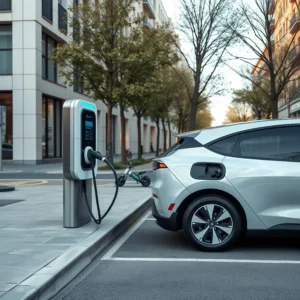
Electric vehicles (EVs) play a significant role in reducing carbon emissions in the transportation sector. By shifting from gasoline-powered vehicles to EVs, we can dramatically decrease the amount of CO2 released into the atmosphere. Tracking the adoption and usage of EVs is crucial for assessing their overall impact on carbon emissions.
- EV sales have been steadily increasing worldwide, driven by advancements in battery technology and supportive government policies.
- The expansion of charging infrastructure is essential for the widespread adoption of EVs and further reducing carbon emissions from the transportation sector.
- Investments in research and development are continuously improving the efficiency and affordability of EVs, making them a viable alternative to traditional vehicles.
The Role of Clean Energy Technologies
In addition to EVs, clean energy technologies such as solar, wind, and hydropower are instrumental in reducing carbon emissions from electricity generation. Tracking the growth of renewable energy sources and their integration into the grid is essential for achieving a sustainable energy future.
- Solar energy, in particular, has seen significant growth in recent years, thanks to falling costs and increased efficiency of photovoltaic technology.
- Utility-scale solar projects are becoming more prevalent, providing clean energy to communities and reducing reliance on fossil fuels.
- Energy storage technologies, such as batteries, play a crucial role in enabling the integration of renewable energy sources into the grid and ensuring a reliable power supply.
Tracking Carbon Emissions Globally
Tracking carbon emissions on a global scale involves collaboration between countries, industries, and organizations. Regional analyses provide valuable insights into emission trends, policy effectiveness, and areas for improvement.
The USA, Europe, China, the Middle East, and India are key regions in the transition to cleaner energy systems. Each region faces unique challenges and opportunities in reducing carbon emissions and embracing sustainable technologies.
Investor and Commercial Perspectives
Investors play a crucial role in driving the transition to clean energy by funding innovative projects and technologies. Commercial entities, including utilities and corporations, are increasingly prioritizing sustainability and carbon reduction in their operations.
- Investments in renewable energy projects are on the rise, driven by the potential for long-term returns and the growing demand for clean electricity.
- Commercial entities are setting ambitious carbon reduction targets and implementing energy efficiency measures to minimize their environmental impact.
- The shift towards sustainable practices is not only beneficial for the environment but also for the bottom line, as companies realize cost savings and improved brand reputation.
Future Predictions and Recommendations
Looking ahead, the future of carbon emissions tracking involves advanced monitoring technologies, enhanced data analytics, and widespread adoption of clean energy solutions. It is crucial for policymakers, industry stakeholders, and individuals to prioritize sustainability and work towards a carbon-neutral future.
Recommendations for tracking carbon emissions include implementing real-time monitoring systems, investing in renewable energy infrastructure, and promoting energy efficiency measures. By taking proactive steps to reduce carbon footprints, we can mitigate the impacts of climate change and create a more sustainable world for future generations.
| Category | Details | Impact |
| Renewable Energy | Advancements in solar and wind technologies | Reduction in carbon emissions and fossil fuel dependency |
| Electric Vehicles | Shift from gasoline-powered vehicles to EVs | Decreased CO2 emissions in the transportation sector |
| Energy Storage | Development of battery technologies | Integration of renewables into the grid and grid stability |
Related Topics
- Link to Related Article
- Link to Renewable Energy Guide
- Link to Clean Energy Solutions
External Resources
Related guides: How Renewable Energy Cuts Carbon Emissions, urban sprawl carbon emissions, ride sharing carbon emissions
Frequently Asked Questions
How do electric vehicles help reduce carbon emissions?
Electric vehicles produce zero tailpipe emissions and reduce the overall carbon footprint of the transportation sector.
What role do solar panels play in decarbonization efforts?
Solar panels convert sunlight into electricity without producing greenhouse gas emissions, making them a key technology in decarbonization efforts.
How can energy storage technologies support clean energy integration?
Energy storage technologies help store excess renewable energy for times of high demand, ensuring a stable and reliable power supply from clean sources.
What are the main challenges in tracking carbon emissions on a global scale?
Challenges include data accuracy, international cooperation, and ensuring transparency in reporting methodologies across different regions.
What are the long-term benefits of transitioning to clean energy systems?
The long-term benefits include reduced air pollution, energy independence, job creation in the renewable energy sector, and mitigating the impacts of climate change.
Final Industry Outlook
The future of tracking carbon emissions lies in innovation, collaboration, and a shared commitment to sustainability. By leveraging clean energy technologies, investing in renewable infrastructure, and adopting energy-efficient practices, we can pave the way towards a greener and more resilient future.
Sources and Further Reading
Every figure on this page is dated and linked to its source. How we verify · Editorial policy · Report a correction
Related Posts

Leave a Comment
Your comment will be published after it has been approved. Please send comments that do not contain slang words.