
Electric Aircraft: How Battery-Powered Planes Take Off in 2026
Updated September 26, 2026 · 8 min read
An electric aircraft flies on electric motors instead of a piston or turbine engine, with the energy stored in batteries or, in a few designs, made on board by a hydrogen fuel cell or a turbine generator. In September 2026 the honest picture is narrower than the headlines: three electric aircraft hold a type certificate anywhere in the world, none of them from the US FAA, and most of the famous air-taxi and regional programmes are still in certification, paused, or gone. This guide explains how electric aircraft work, lists every notable one with its published range and current status, and explains why batteries set the limit.
For the wider picture, read our eVTOL explainer and sustainable aviation fuel explained.
Key takeaways
- Three electric aircraft are type-certified: the Pipistrel Velis Electro trainer (EASA, June 2020), the EHang EH216-S pilotless two-seater (CAAC, October 2023) and the AutoFlight CarryAll cargo aircraft (CAAC).
- No electric aircraft has an FAA type certificate yet. Joby, Archer, BETA and Wisk are all in the FAA process.
- Several big programmes did not survive: Lilium and Volocopter went insolvent, and Eviation, Airbus and Supernal paused.
- Batteries are the limit. Jet fuel stores roughly 40 times more energy per kilogram than today’s best lithium-ion cells, which is why the larger designs, such as Heart’s 36-seat ES-36, are hybrids.
What Is an Electric Aircraft?
An electric aircraft is any aeroplane, helicopter or eVTOL (electric vertical take-off and landing aircraft) whose propellers or fans are turned by electric motors. There are three power sources in use:
- Battery-electric: all energy comes from a battery charged on the ground. Examples: Velis Electro, Joby S4, BETA ALIA.
- Hybrid-electric: a battery plus a fuel-burning generator for longer trips. Examples: Heart ES-36, Electra EL9, Ampaire Eco Caravan.
- Hydrogen-electric: a fuel cell turns hydrogen into electricity on board. Example: ZeroAvia’s Dornier 228 testbed.
| Class | Examples | Published range | Status, September 2026 |
|---|---|---|---|
| Two-seat trainers | Pipistrel Velis Electro, Diamond eDA40, Bristell B23 Energic | short training flights | Velis certified since 2020; the others in certification |
| eVTOL air taxis | EHang EH216-S, Joby S4, Archer Midnight, Wisk Gen 6 | 35 km (EHang) to 150 mi (Joby) | EHang certified in China; Joby, Archer, Wisk still in FAA certification |
| Regional aircraft | Heart ES-36, Electra EL9, Eviation Alice | 200 km electric, 1,200 km hybrid (ES-36) | In design or testing; Alice paused |
How Electric Aircraft Work
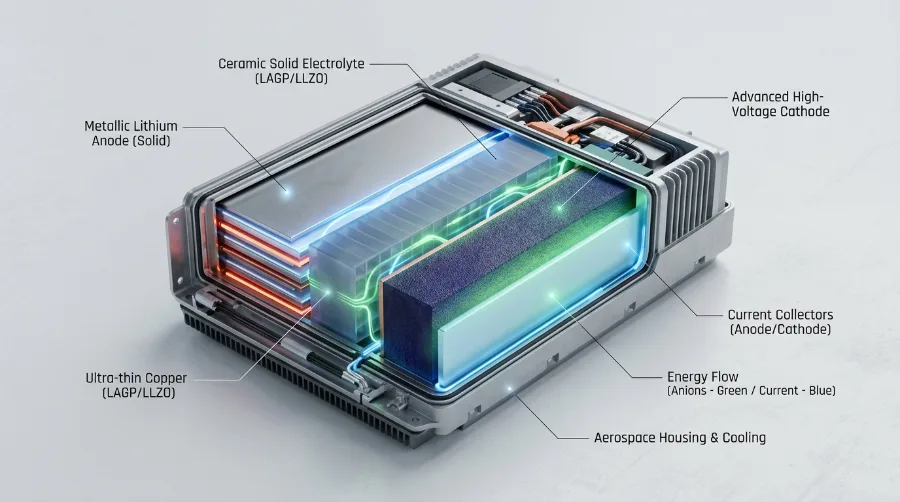
Every battery-electric aircraft has the same four systems: a battery pack, power electronics that turn the battery’s direct current into the controlled alternating current the motors need, one or more electric motors driving propellers or ducted fans, and a thermal management system that keeps the cells within safe temperatures during take-off, when the power draw is highest.
The difference from an electric car is weight. A car can carry a heavy pack; an aircraft has to lift it, and a battery weighs the same when it is empty as when it is full, whereas a fuel-burning aircraft gets lighter as it flies. So energy per kilogram — watt-hours per kilogram — is the number that decides what electric aircraft can do. Kerosene holds about 12,000 Wh/kg; the best lithium-ion cells today hold roughly 250–300 Wh/kg, and a finished pack, with its casing, wiring and cooling, holds less.
 electric aviation" />
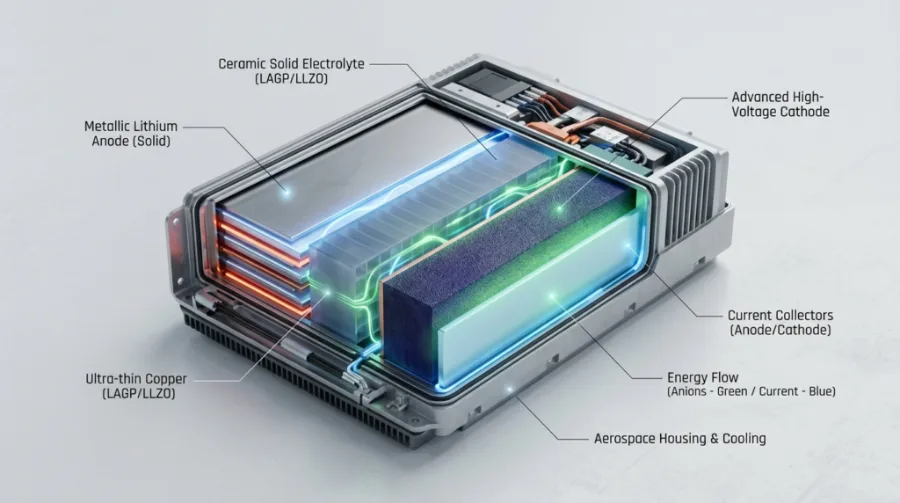
Electric motors are small, light and simple, which lets designers spread several of them across a wing or rotor frame. That is what makes the multi-rotor and tilt-rotor eVTOL layouts in the table below practical.
Every Electric Aircraft Flying or in Certification (September 2026)
26 electric, hybrid-electric and hydrogen-electric aircraft, from certified trainers to paused and failed programmes. Only three hold a type certificate: the Pipistrel Velis Electro (EASA), the EHang EH216-S and the AutoFlight CarryAll cargo aircraft (both CAAC). None has an FAA type certificate yet. Ranges are the figures each maker or regulator published, not our estimates; a dash means none was published. Every row links to its source. Certification dates and the regulator documents behind them are tracked in more detail on our electric aircraft tracker and eVTOL certification tracker.
| Aircraft | Type | Seats | Published range | Status, Sept 2026 | Source |
|---|---|---|---|---|---|
| Pipistrel Velis Electro Pipistrel, Slovenia |
fixed-wing, battery | 2 (incl. pilot) | — | EASA type-certified 2020-06-10 (first type-certified electric aircraft) | source |
| EHang EH216-S EHang, China |
eVTOL, battery | 2, no pilot | 35 km (22 mi) | CAAC type-certified 2023-10-13; trial commercial operations in China | source |
| AutoFlight CarryAll (cargo) AutoFlight, China |
eVTOL, battery | cargo, uncrewed | up to 200 km | CAAC type-certified; deliveries under way | source |
| BETA ALIA CX300 BETA Technologies, United States |
fixed-wing, battery | 5 passengers + pilot | about 215 nm | In FAA type certification; target end-2026 / early-2027 | source |
| BETA ALIA A250 BETA Technologies, United States |
eVTOL, battery | 5 passengers + pilot | — | In FAA type certification; target end-2027 / early-2028 | source |
| Joby S4 (JAS4-1) Joby Aviation, United States |
eVTOL, battery | 1 pilot + 4 | 150 mi | In FAA type certification, final flight-test stage; no type certificate yet | source |
| Archer Midnight (M001) Archer Aviation, United States |
eVTOL, battery | 1 pilot + 4 | 20–50 mi (evtol.news) | In FAA type certification; no type certificate yet | source |
| Wisk Generation 6 Wisk Aero, United States |
eVTOL, battery | 4, autonomous | 90 mi with reserves | In FAA type certification; first flight 2025-12-16 | source |
| Eve eVTOL Eve Air Mobility (Embraer), Brazil |
eVTOL, battery | 1 pilot + 4 | 100 km (60 mi) | ANAC (Brazil) certification, targeted 2027 | source |
| Vertical Aerospace Valo (VX4 prototype) Vertical Aerospace, United Kingdom |
eVTOL, battery | 1 pilot + 4 | 100 mi | Targeting UK CAA / EASA certification in 2028 | source |
| AutoFlight Prosperity (V2000EM) AutoFlight, China |
eVTOL, battery | 1 pilot + 4 | 250 km (155 mi) | In CAAC type certification | source |
| Volocopter VoloCity Volocopter, Germany |
eVTOL, battery | 1 pilot + 1 | 35 km (calculated) | Insolvent Dec 2024, bought by Wanfeng Mar 2025; EASA certification resumed | source |
| Supernal S-A2 Supernal (Hyundai Motor Group), United States |
eVTOL, battery | pilot + 4 | 25–40 mi trips | Paused 2025; restart deal with Korea Aerospace Industries May 2026 | source |
| Airbus CityAirbus NextGen Airbus Helicopters, Germany / France |
eVTOL, battery | 1 pilot + 3 | 80 km | Paused by Airbus Jan 2025 (battery maturity) | source |
| Lilium Jet Lilium, Germany |
eVTOL, battery | 1 pilot + 6 | 250 km (155 mi) | Ended: insolvent Oct 2024 and Feb 2025; prototypes dismantled 2026 | source |
| Diamond eDA40 Diamond Aircraft Industries, Austria |
fixed-wing, battery | 2 (3 later) | — | In EASA / FAA Part 23 certification | source |
| Bristell B23 Energic BRM Aero with H55, Czech Republic / Switzerland |
fixed-wing, battery | 2 (incl. pilot) | — | In EASA CS-23 certification; no type certificate confirmed | source |
| Bye Aerospace eFlyer 2 Bye Aerospace, United States |
fixed-wing, battery | 2 (incl. pilot) | — | FAA Part 23 applicant; flight-test certificate Sept 2026 | source |
| Harbour Air / magniX eBeaver (ePlane) Harbour Air with magniX, Canada / United States |
fixed-wing, battery | 6 passengers | — | Prototype testing; Transport Canada / FAA approval pending | source |
| Rolls-Royce Spirit of Innovation Rolls-Royce (ACCEL project), United Kingdom |
fixed-wing, battery | single-seat | — | Record demonstrator; FAI speed records 2021-11-16 | source |
| Eviation Alice Eviation Aircraft, United States |
regional, battery | 9 passengers + 2 crew | 250 nm (first-flight report) | Paused: most staff laid off Feb 2025; not certified | source |
| Heart Aerospace X1 (demonstrator) Heart Aerospace, Sweden / United States |
regional, battery | demonstrator | — | First flight 2026-08-12 (experimental) | source |
| Heart Aerospace ES-36 Heart Aerospace, Sweden / United States |
regional, hybrid-electric | 36 passengers | 200 km electric / 1,200 km hybrid | Announced 2026-09-23, replaces the ES-30; service entry targeted 2031 | source |
| Electra EL9 Electra.aero, United States |
STOL, hybrid-electric | 9 passengers | 330 nm (hybrid) | FAA Part 23 certification basis set July 2026 | source |
| Ampaire Eco Caravan Ampaire, United States |
fixed-wing, hybrid-electric | 9 passengers | “beyond 1,000 miles” (hybrid) | In FAA supplemental type certificate process | source |
| ZeroAvia Dornier 228 testbed (ZA600) ZeroAvia, United Kingdom / United States |
regional, hydrogen fuel cell | 19-seat testbed | — | Powertrain certification; FAA special conditions Mar 2026 | source |
Status checked 2026-09-23 against manufacturer releases, regulator documents and trade press (Vertical, FlightGlobal, AIN). Programmes change quickly: in the last two years Lilium and Volocopter went insolvent and Eviation, Airbus and Supernal paused.
Why Batteries Set the Limit
Two things eat into an electric aircraft’s range before it earns anything. The first is the reserve: aviation rules require energy left in the tank at landing (for a US flight in daytime visual conditions, enough for 30 more minutes of flight), and on a small battery that reserve is a large share of the total. The second is weight: adding battery to fly further adds mass that itself takes energy to carry.
That is why the published ranges in the table cluster where they do — tens of miles for air taxis, a couple of hundred for the fixed-wing designs — and why the only 30-plus-seat design in the list, Heart’s ES-36, uses batteries for 200 km and a turbogenerator for the rest.
Certification: Who Can Actually Carry Passengers
A type certificate is the regulator’s approval of the aircraft design; without it an aircraft can fly tests and demonstrations but not normal commercial service. EASA certifies electric propulsion under a dedicated special condition, and the FAA finalised its rules for powered-lift aircraft, the category most eVTOLs fall into, in October 2024.
- The Pipistrel Velis Electro was the first electric aircraft to receive a type certificate, from EASA on 10 June 2020.
- The EHang EH216-S received a CAAC type certificate on 13 October 2023, the first for a pilotless passenger eVTOL, and runs trial commercial operations in China.
- In the US, Joby is in the final flight-test stage of FAA certification, and Archer, BETA and Wisk are further back. None had a type certificate as of September 2026.
Emissions: What Changes and What Does Not
A battery-electric aircraft has no exhaust, so it emits no CO2 and forms no exhaust contrails in flight. Its real footprint depends on the electricity used to charge it and on the energy used to make the battery, so it is lowest on a clean grid. Hybrids burn fuel on longer legs, and hydrogen fuel-cell aircraft emit water vapour. Our zero-carbon aviation hub compares the four routes to cleaner flight, including sustainable aviation fuel for the routes batteries cannot reach.
Frequently Asked Questions
How far can an electric aircraft fly?
It depends on the class. Published figures range from 35 km for the EHang EH216-S and 150 miles for the Joby S4 to about 215 nautical miles for BETA’s ALIA CX300. The hybrid Heart ES-36 is quoted at 200 km on batteries and 1,200 km with its generators running.
Are there electric planes you can fly on today?
Only in limited ways. The EHang EH216-S is certified in China and flies trial commercial operations there. Elsewhere, electric aircraft in use are mainly two-seat trainers such as the Velis Electro. No electric air-taxi service is running under an FAA type certificate.
Are electric aircraft really zero-emission?
In flight, a battery-electric aircraft emits nothing. Over its life it is responsible for the emissions of the electricity that charges it and of making the battery, so the total depends on the grid.
Why not just build a bigger battery?
Because batteries are heavy and do not get lighter as they empty. Jet fuel holds roughly 40 times more energy per kilogram than the best lithium-ion cells, so beyond a point more battery adds more weight than useful range. Larger designs therefore turn to hybrid generators or hydrogen.
Sources and Further Reading
- Pipistrel – Velis Electro
- EHang – EH216-S type certificate
- Heart Aerospace – ES-36 announcement
- NASA – Electrified Aircraft Propulsion
- Per-aircraft sources: the “source” link in each row of the table above.
Where this fits
This page is part of the zero-carbon aviation hub on ZeroCarbonDrive:
- Zero-carbon aviation hub: the four routes, and what is certified
- Electric and hydrogen aircraft tracker
- eVTOL certification tracker: who is actually certified
Work it out yourself
Related tools and method notes on ZeroCarbonDrive:
Every figure on this page is dated and linked to its source. How we verify · Editorial policy · Report a correction
Related Posts
Leave a Comment
Your comment will be published after it has been approved. Please send comments that do not contain slang words.