
Electric Aviation

36 Contents

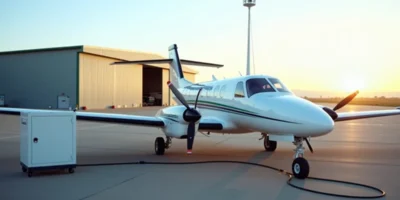
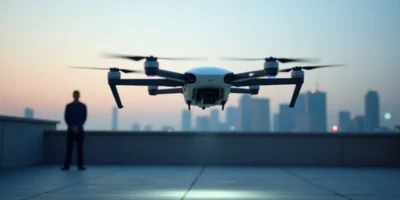
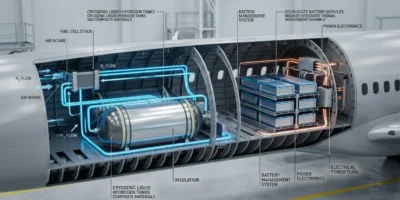
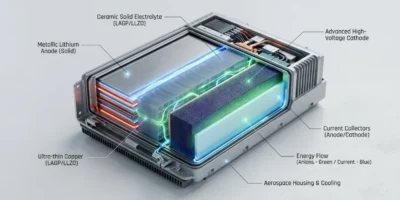
Electric aviation covers battery-electric, hybrid-electric and hydrogen-electric aircraft, plus electric vertical take-off and landing (eVTOL) designs for regional and urban routes. The core constraint is energy density: a current lithium-ion pack stores roughly 250-300 Wh/kg once cooling, structure and safety margin are counted, against about 12,000 Wh/kg for jet fuel – and unlike fuel, a battery does not get lighter as it discharges. That single ratio explains why the only type-certified electric aeroplane in the world is a two-seat trainer, why the credible next step is a five-seat short-haul aircraft, and why every proposed electric airliner carries a fuel-burning range extender. This is the site’s authority area. Start with the hub, Zero-carbon aviation: what actually works and what is certified, then the two live trackers – the eVTOL certification tracker and the electric and hydrogen aircraft tracker. Every figure in this section is dated and traced to a regulator document, a statistical agency or a company filing, and manufacturer claims are labelled as claims.