
Fast Fashion Carbon Footprint: The Real 2026 Numbers
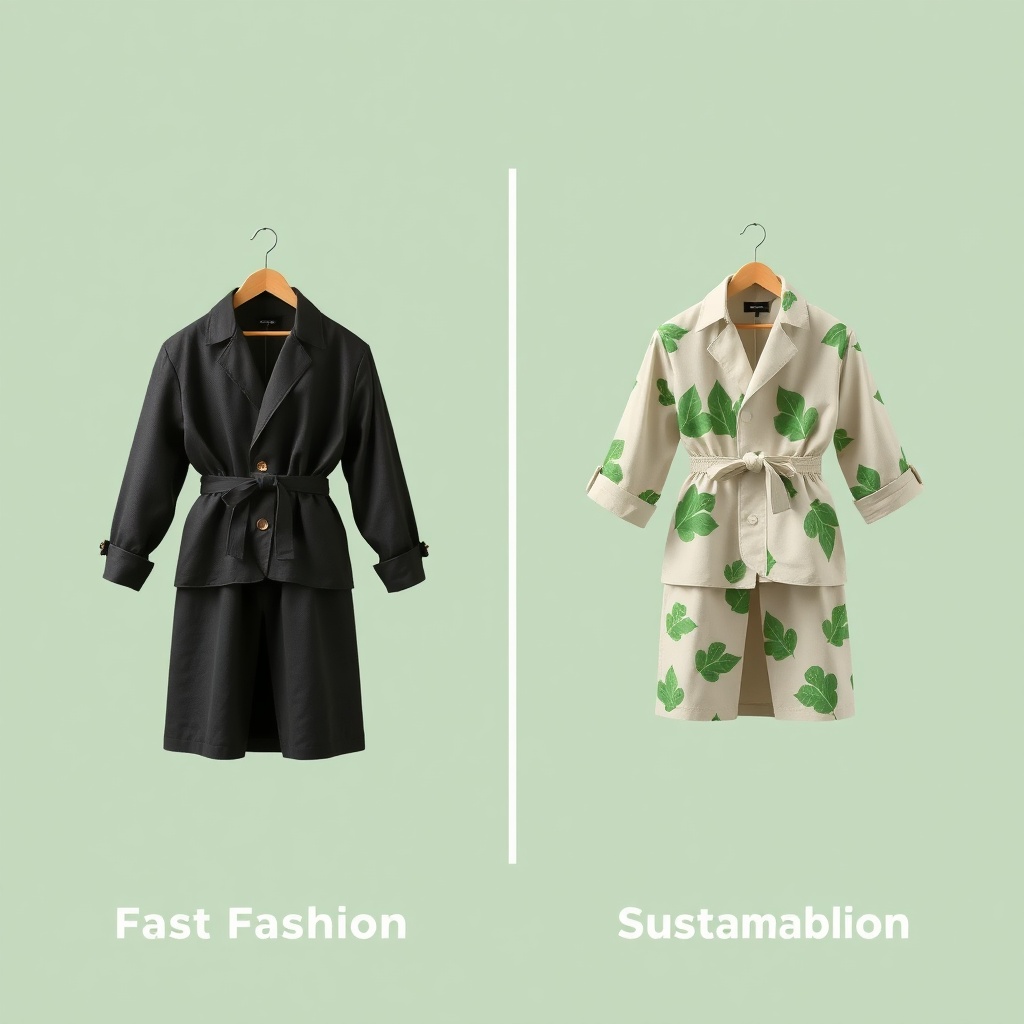
Updated September 26, 2026 · 2 min read
The fast fashion carbon footprint comes from a business model built around speed and disposability: the apparel industry accounts for an estimated 2-8% of global greenhouse gas emissions, with fast fashion specifically driving that number higher through rapid production cycles, synthetic (fossil-fuel-derived) fabrics, and a garment-per-wear ratio that keeps falling as prices drop and trend cycles shorten.
- Polyester and other synthetic fabrics are made from fossil fuels and carry a significantly higher carbon footprint per garment than natural fibers, on top of microplastic pollution concerns.
- The “cost per wear” problem is central: fast fashion garments are worn far fewer times on average before disposal than clothing bought a generation ago.
- Manufacturing (dyeing, finishing, and fabric production) typically accounts for the largest share of a garment’s lifecycle emissions, ahead of transport or retail.
- Textile waste and end-of-life disposal add a second environmental cost beyond emissions — most discarded clothing ends up in landfill or incinerated rather than recycled.
Fast Fashion Carbon Footprint: Where It Actually Comes From
| Lifecycle stage | Typical emissions share | Key driver |
|---|---|---|
| Raw material production | Large | Synthetic fiber production is fossil-fuel intensive |
| Fabric dyeing and finishing | Largest single stage | Energy- and chemical-intensive processes |
| Manufacturing/sewing | Moderate | Labor-intensive, often coal-powered grid regions |
| Transport/distribution | Smaller | Global supply chains, but efficient per unit |
| Use (washing) and disposal | Meaningful | Repeated washing, mostly landfill/incineration at end of life |
Why synthetic fabrics are a bigger climate problem than they seem
Polyester, the most common fast fashion fabric, is essentially a plastic made from petroleum — its production carries a meaningfully higher carbon footprint than cotton or wool per unit, and it doesn’t biodegrade at the end of its life. The industry’s heavy reliance on synthetics (chosen for low cost and easy-care properties) is one of the clearest structural reasons fast fashion’s footprint runs higher than clothing built around natural fibers and slower production.
The cost-per-wear problem
A garment’s total climate impact should ideally be spread across how many times it gets worn — but fast fashion’s low prices and rapid trend cycles have pushed average garment lifespans down significantly compared to a generation ago. A shirt worn 5 times before disposal carries a far higher climate cost per wear than the same shirt worn 50 times, even if the manufacturing footprint were identical, which is why “buy less, wear longer” is consistently the highest-leverage individual lever in apparel sustainability research.
The waste problem beyond emissions
Fast fashion’s environmental cost doesn’t end with production emissions — most discarded clothing worldwide ends up in landfill or incinerated rather than recycled, since fabric blends (especially synthetic-natural mixes) are genuinely difficult to recycle with current technology. This creates a second environmental burden layered on top of the carbon footprint, one that secondhand markets and textile-recycling innovation are only beginning to meaningfully address at scale.
Sources and Further Reading
- UN Environment Programme: Fashion Industry’s Carbon Footprint
- Ellen MacArthur Foundation: Fashion and the Circular Economy
How big is fast fashion’s carbon footprint?
The apparel industry as a whole accounts for an estimated 2-8% of global greenhouse gas emissions, with fast fashion specifically driving that number higher through rapid production cycles and heavy use of synthetic, fossil-fuel-derived fabrics.
Why is polyester worse for the climate than cotton?
Polyester is essentially a plastic made from petroleum, and its production carries a meaningfully higher carbon footprint per unit than natural fibers like cotton, on top of not biodegrading and shedding microplastics.
What is the biggest lever for reducing fashion’s carbon footprint?
Wearing garments longer before disposal is consistently identified as the highest-leverage individual lever, since a garment’s climate cost is effectively spread across however many times it gets worn.
Which stage of clothing production has the biggest footprint?
Fabric dyeing and finishing typically account for the largest single share of a garment’s lifecycle emissions, ahead of raw material production, manufacturing, and transport.
What happens to discarded fast fashion clothing?
Most discarded clothing worldwide ends up in landfill or is incinerated rather than recycled, since many fabric blends are genuinely difficult to recycle with current technology.
Does buying secondhand clothing actually help?
Yes — extending a garment’s usable life through resale or secondhand purchase spreads its original manufacturing footprint across more total wears, directly addressing the cost-per-wear problem central to fast fashion’s climate impact.
Every figure on this page is dated and linked to its source. How we verify · Editorial policy · Report a correction
Related Posts



Leave a Comment
Your comment will be published after it has been approved. Please send comments that do not contain slang words.