
Electric Air Taxis Explained
Updated September 18, 2026 · 3 min read
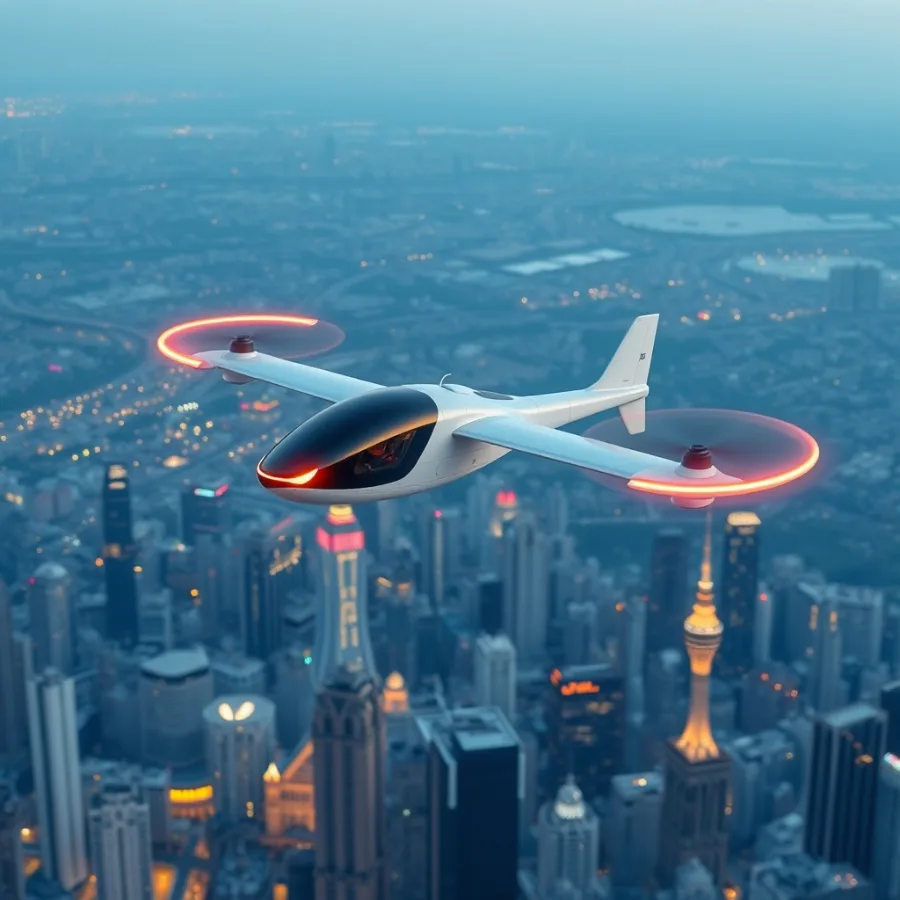
Electric Air Taxis Explained are revolutionizing the future of transportation with their innovative technology and environmental benefits. As cities around the world seek sustainable solutions to reduce emissions and congestion, electric air taxis offer a promising alternative to traditional modes of transportation. In this comprehensive guide, we explore how electric air taxis work, their environmental impact, and the latest trends in urban mobility.
Table of Contents
- How Electric Air Taxis Work
- Environmental Impact of Electric Air Taxis
- Urban Mobility Trends
- Regional Comparison
- Frequently Asked Questions
How Electric Air Taxis Work
Electric air taxis utilize advanced electric propulsion systems to provide vertical take-off and landing capabilities, offering a more efficient and environmentally friendly mode of transportation. These vehicles are designed to carry passengers over short to medium distances, reducing travel times and alleviating traffic congestion in urban areas.
- Electric air taxis are equipped with electric motors powered by rechargeable batteries, eliminating the need for fossil fuels.
- Advanced navigation systems and smart traffic management technologies, such as smart traffic systems, optimize flight paths for efficiency and safety.
- The integration of autonomous flight capabilities enhances operational reliability and enables seamless passenger experiences.
- Electric air taxis are designed to meet stringent safety standards and regulatory requirements to ensure passenger well-being.
Environmental Impact of Electric Air Taxis
Electric air taxis offer significant environmental benefits compared to traditional combustion engine aircraft, reducing greenhouse gas emissions and air pollution in urban areas. By transitioning to electric propulsion, cities can mitigate the negative impacts of transportation on the environment and public health.
- Electric air taxis produce zero tailpipe emissions, reducing harmful pollutants such as nitrogen oxides and particulate matter.
- Compared to diesel-powered vehicles, electric air taxis significantly lower CO2 emissions per passenger-kilometer traveled.
- The adoption of electric air taxis contributes to reducing carbon intensity in the transportation sector, supporting global efforts to combat climate change.
- Life-cycle assessments of electric air taxis demonstrate overall lower environmental impact compared to traditional aircraft, considering manufacturing, operation, and disposal phases.
Urban Mobility Trends
The emergence of electric air taxis is reshaping the landscape of urban mobility, offering a sustainable and efficient mode of transportation for city dwellers. As cities embrace innovative technologies to address transportation challenges, electric air taxis play a crucial role in enhancing connectivity and accessibility.
- Integration of electric air taxis into existing transportation networks enables seamless multimodal travel options for passengers.
- Public-private partnerships drive the development and deployment of electric air taxi services, fostering collaboration between governments, industry stakeholders, and regulatory bodies.
- Urban mobility trends emphasize the importance of sustainable transportation solutions, promoting eco-friendly modes of travel to reduce environmental impact.
- Technological advancements in electric aviation pave the way for future innovations in urban air mobility, transforming the way people commute and travel within cities.
Regional Comparison
- US: The United States leads in electric air taxi development, with companies investing in research and testing to commercialize these innovative vehicles.
- EU: European countries prioritize sustainable transportation solutions, supporting the integration of electric air taxis into urban mobility plans.
- China: China’s rapidly growing urban centers drive demand for electric air taxis, promoting green aviation technologies for future transportation needs.
- India: India explores electric air taxis as part of its smart city initiatives, aiming to enhance connectivity and reduce congestion in metropolitan areas.
Related guides: Urban Air Mobility and the Future of Electric Air Taxis, Electric Air Taxis and Urban Mobility Explained and eVTOL Air Taxis Explained.
Frequently Asked Questions
How do electric air taxis contribute to reducing emissions?
Electric air taxis reduce emissions by eliminating fossil fuel combustion and operating on clean electric power sources, significantly lowering greenhouse gas emissions.
Are electric air taxis safe for passenger use?
Electric air taxis undergo rigorous safety testing and regulatory compliance to ensure passenger safety, with advanced autonomous systems enhancing operational reliability.
What are the key challenges in the widespread adoption of electric air taxis?
The key challenges include infrastructure development, regulatory frameworks, public acceptance, and scalability of electric air taxi services to meet growing urban mobility demands.
How do electric air taxis compare to traditional helicopters in terms of efficiency and environmental impact?
Electric air taxis offer greater efficiency and lower environmental impact compared to traditional helicopters, thanks to their electric propulsion systems and zero-emission operation.
TAGS: electric air taxis, sustainable transportation, urban air mobility, electric propulsion, environmental impact, aviation technology
Sources and Further Reading
Every figure on this page is dated and linked to its source. How we verify · Editorial policy · Report a correction
Related Posts



1 Comment
Electric air taxis? Sign me up! Efficient, eco-friendly, and fun to ride. Perfect solution for urban congestion.
Leave a Comment
Your comment will be published after it has been approved. Please send comments that do not contain slang words.