
Hydrogen Planes vs Electric Planes
Updated September 2, 2026 · 3 min read
Table of Contents
- Introduction
- How Hydrogen Planes and Electric Planes Work
- Environmental Impact
- Efficiency Comparison
- Challenges in Adoption
- Usages and Future Prospects
- Regional Comparison
- Frequently Asked Questions
Introduction
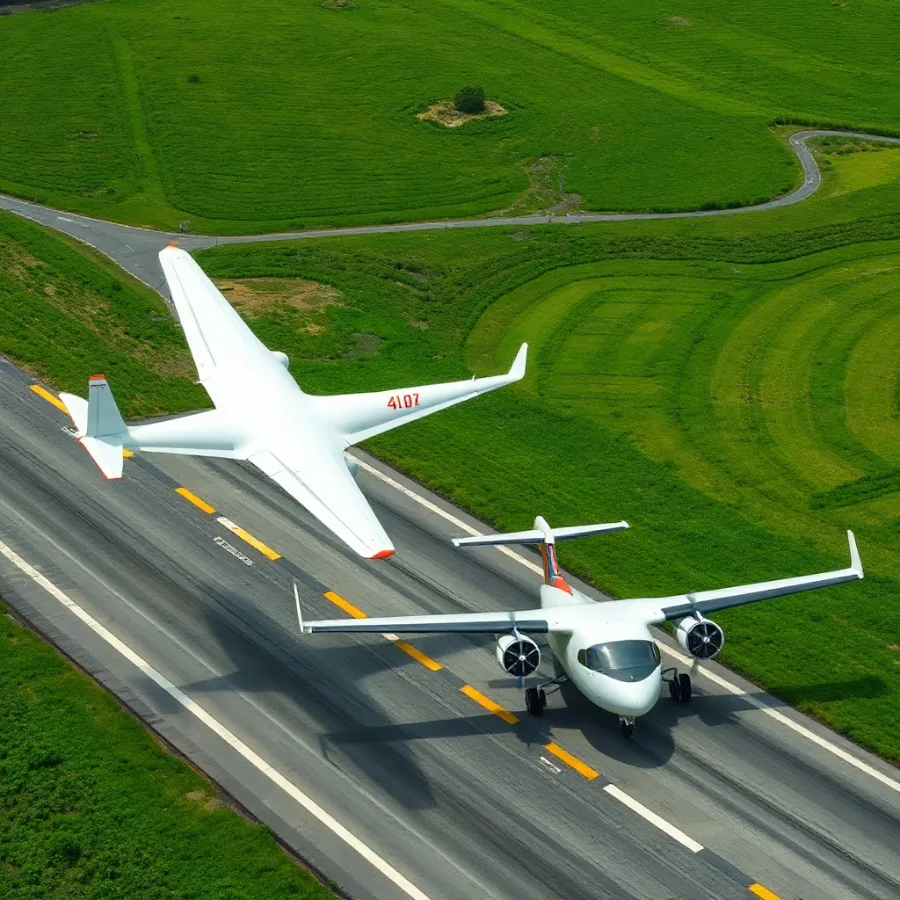
The aviation industry is under increasing pressure to reduce its carbon footprint, prompting the exploration of alternative fuels and propulsion systems for aircraft. Hydrogen planes and electric planes represent two promising pathways towards achieving zero-emission air travel.
How Hydrogen Planes and Electric Planes Work
Hydrogen planes utilize hydrogen fuel cells to generate electricity, powering electric motors that drive the aircraft. On the other hand, electric planes rely on batteries to store electrical energy, which is then used to turn propellers or provide thrust through electric engines.
| Hydrogen Planes | Electric Planes |
|---|---|
| Utilize hydrogen fuel cells | Rely on batteries for energy storage |
| Powered by electric motors | Propelled by electric engines |
Key Components:
- Fuel Cells or Batteries
- Electric Motors or Engines
- Propellers or Thrust Mechanisms
- Power Distribution Systems
Environmental Impact
The environmental impact of hydrogen planes versus electric planes is a critical consideration in the transition to sustainable aviation. Hydrogen planes produce water vapor as the only byproduct, offering true zero-emission flights. Electric planes, although emission-free during operation, depend on the grid mix for their electricity, which may include fossil fuels.
Efficiency Comparison
When comparing the efficiency of hydrogen planes and electric planes, factors such as energy density, refueling/recharging infrastructure, and range play a significant role. Hydrogen planes have higher energy density and faster refueling times, making them suitable for long-haul flights. Electric planes excel in shorter distances and urban air mobility due to their lower energy requirements.
Challenges in Adoption
The adoption of hydrogen planes and electric planes faces several challenges, including infrastructure development, regulatory approvals, cost considerations, and public acceptance. Integrating these innovative technologies into existing aviation systems requires coordinated efforts from industry stakeholders, policymakers, and the public.
Usages and Future Prospects
Hydrogen planes and electric planes are poised to revolutionize air travel by offering sustainable alternatives to traditional jet fuel-powered aircraft. Their potential applications range from regional commuter flights to cargo transport and eventually, long-haul international travel. As advancements in technology and infrastructure continue, the future of aviation looks towards a greener horizon.
Regional Comparison
- US: The US is investing in hydrogen and electric aviation technologies to reduce emissions and promote innovation.
- EU: The European Union is leading initiatives for sustainable aviation, supporting research and development in hydrogen and electric planes.
- China: China is focusing on electric planes for urban air mobility and short-haul flights to address air pollution concerns.
- India: India is exploring hydrogen fuel cell technology for its aviation sector to reduce carbon emissions and enhance energy security.
Related guides: Electric Planes vs Hydrogen Aircraft: Which Zero-Emission Tech Will Win the Skies?, Can Hydrogen Power Transatlantic Flights While Electric Planes Cannot? and When Will Electric Planes Be Available.
Frequently Asked Questions
Are hydrogen planes more efficient than electric planes?
Both hydrogen planes and electric planes have unique efficiency advantages depending on the distance and application. Hydrogen planes excel in long-haul flights, while electric planes are more suitable for shorter distances.
What are the main challenges in adopting hydrogen planes and electric planes?
The main challenges include infrastructure development for refueling/recharging, regulatory approvals for new technologies, cost considerations, and public acceptance of alternative propulsion systems.
How do hydrogen planes and electric planes contribute to reducing carbon emissions?
Hydrogen planes produce water vapor as the only byproduct, offering true zero-emission flights. Electric planes, though emission-free during operation, depend on the grid mix for their electricity, which may include fossil fuels.
Which regions are leading the way in the adoption of sustainable aviation technologies?
The US, EU, China, and India are at the forefront of sustainable aviation initiatives, investing in hydrogen and electric plane technologies to reduce carbon emissions and promote greener air travel.
TAGS: hydrogen planes, electric planes, aviation industry, sustainable aviation, alternative fuels, zero-emission aircraft
Sources and Further Reading
Related Posts


1 Comment
"Hydrogen planes offer true zero-emission flights. Impressed by the environmental impact and efficiency."
Leave a Comment
Your comment will be published after it has been approved. Please send comments that do not contain slang words.