
How Long To Charge An EV
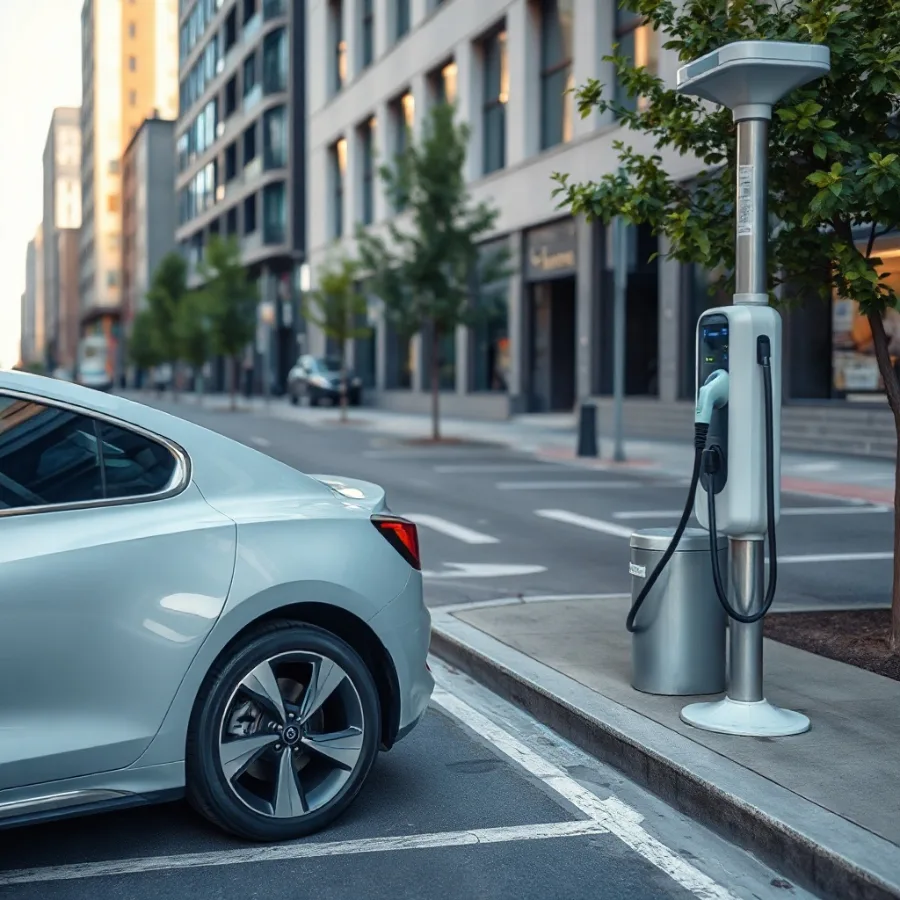
Updated September 2, 2026 · 3 min read
Table of Contents
- Charging Speeds
- Types of Chargers
- Factors Affecting Charge Time
- Charging Infrastructure
- Charging Time in Different Regions
- Frequently Asked Questions
Charging Speeds
EV charging speeds can vary significantly depending on the type of charger used. Faster charging speeds are typically achieved with DC fast chargers, while slower speeds are common with AC chargers.
- Level 1 Charger: Slowest charging option, typically provides 2-5 miles of range per hour of charging.
- Level 2 Charger: Moderate charging speed, offering around 10-20 miles of range per hour.
- DC Fast Charger: Rapid charging solution, capable of adding up to 60-80 miles of range in just 20 minutes.
For a detailed comparison of emissions between diesel and electric vehicles, visit zerocarbondrive.com.
Types of Chargers
There are three main types of chargers commonly used for EVs:
- AC Chargers: Convert AC electricity from the grid to DC power for the vehicle’s battery.
- DC Chargers: Directly provide DC power to the battery, allowing for faster charging speeds.
- Wireless Chargers: Use electromagnetic induction to transfer power without physical cables, improving convenience.
Factors Affecting Charge Time
Several factors can influence the time required to charge an EV:
- Battery Capacity: Larger batteries take longer to charge fully.
- Charging Speed: Faster chargers reduce charging time significantly.
- State of Charge: It takes longer to charge from a lower state of charge to full compared to topping up.
- Temperature: Extreme temperatures can affect charging efficiency and speed.
To learn more about smart traffic systems, visit zerocarbondrive.com.
Charging Infrastructure
The availability of charging infrastructure plays a crucial role in determining how long it takes to charge an EV. A dense network of chargers, especially fast chargers, can significantly reduce charging times and enhance the overall EV ownership experience.
Charging Time in Different Regions
- US: The United States has been rapidly expanding its EV charging infrastructure, leading to shorter charging times for EV owners.
- EU: The European Union is investing heavily in charging networks to support the growing adoption of EVs.
- China: China has emerged as a leader in EV adoption, with a robust charging infrastructure in place.
- India: India is gradually building its EV charging ecosystem to meet the needs of EV users.
Related guides: How Long Does It Take to Charge an Electric Car? A Detailed Breakdown, How To Charge An EV Battery and How to charge EV with clean energy.
Frequently Asked Questions
How can I reduce EV charging time?
To reduce charging time, consider installing a faster charger at home or using public DC fast chargers for quicker top-ups.
Does cold weather affect EV charging time?
Cold weather can impact battery efficiency and charging speeds, leading to slightly longer charging times in low temperatures.
What is the average time to fully charge an EV?
The time to fully charge an EV can range from several hours with a Level 1 charger to under an hour with a DC fast charger, depending on the battery size and charging speed.
Can I overcharge my EV battery by leaving it plugged in for too long?
Modern EVs are equipped with built-in safeguards to prevent overcharging, so leaving your car plugged in for extended periods is generally safe and will not damage the battery.
TAGS: EV charging, electric vehicles, charging infrastructure, charging time, EV adoption, sustainable mobility
Sources and Further Reading
Related Posts
Leave a Comment
Your comment will be published after it has been approved. Please send comments that do not contain slang words.