
Electric Planes vs Hydrogen Aircraft: Which Zero-Emission Tech Will Win the Skies?
Updated September 2, 2026 · 2 min read
Electric Planes vs Hydrogen Aircraft: Which Zero-Emission Tech Will Win the Skies?
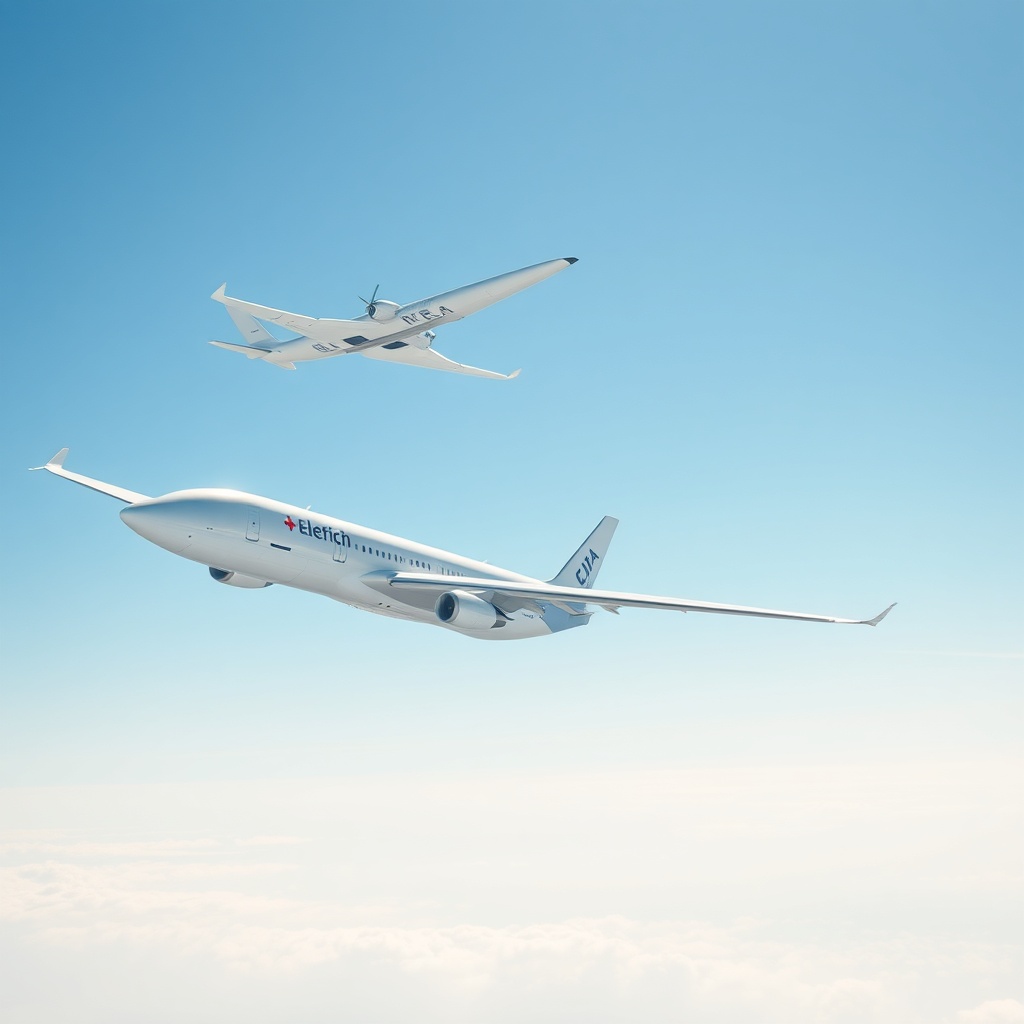
The aviation industry is at a crucial crossroads when it comes to sustainability. With the urgent need to reduce carbon emissions, the focus has shifted to zero-emission technologies. Two promising contenders in this arena are electric planes and hydrogen aircraft. Both offer potential solutions to the environmental challenges faced by the aviation sector. But the question remains: which of these technologies will emerge as the ultimate winner in the race for sustainable air travel?
The Rise of Electric Planes
Electric planes have gained significant attention in recent years due to their potential to revolutionize the aviation industry. By utilizing electric propulsion systems, these aircraft can significantly reduce greenhouse gas emissions compared to traditional jet engines. Companies like Airbus and Boeing are investing heavily in electric propulsion technology, aiming to develop commercial electric planes for the future.
However, electric planes face challenges such as limited battery capacity and range. While short-haul flights may be feasible with current battery technology, long-haul flights present a more significant obstacle. The infrastructure needed to support electric planes, such as charging stations at airports, also requires substantial investment.
The Promise of Hydrogen Aircraft
Hydrogen aircraft, on the other hand, offer a different approach to zero-emission flight. By using hydrogen fuel cells to generate electricity, these aircraft produce only water vapor as a byproduct, making them truly emissions-free. Companies like ZeroAvia and Universal Hydrogen are leading the way in developing hydrogen-powered aircraft for commercial use.
Hydrogen aircraft have the advantage of longer flight ranges and faster refueling times compared to electric planes. Hydrogen fuel cells also have a higher energy density than batteries, offering the potential for more extended flights without the need for frequent recharging. However, the infrastructure for producing, storing, and distributing hydrogen on a large scale is still in the early stages of development.
The Path to Sustainable Aviation
As the aviation industry navigates the transition to zero-emission technologies, a combination of electric planes and hydrogen aircraft may be the key to sustainable air travel. Each technology has its strengths and challenges, and a hybrid approach that leverages the unique benefits of both could be the most viable solution.
Ultimately, the future of sustainable aviation will depend on continued innovation, investment, and collaboration within the industry. Whether electric planes or hydrogen aircraft will dominate the skies remains to be seen, but one thing is clear: the race for zero-emission flight is well underway, with the potential to transform the way we travel through the skies.
Conclusion
In conclusion, the competition between electric planes and hydrogen aircraft represents a critical turning point in the quest for sustainable aviation. Both technologies offer promising solutions to reduce carbon emissions and combat climate change. As the industry moves towards a greener future, the development and adoption of zero-emission aircraft will play a crucial role in shaping the future of air travel.
Related guides: Hydrogen Planes vs Electric Planes, Nuclear Fusion vs Fission: Which Clean Energy Technology Will Power the Future?, When Will Electric Planes Be Available
Sources and Further Reading
Related Posts


Leave a Comment
Your comment will be published after it has been approved. Please send comments that do not contain slang words.