
EV Cost Of Ownership vs Gas Car
Updated September 2, 2026 · 3 min read
EV Cost Of Ownership vs Gas Car: As electric vehicles (EVs) become increasingly popular, many consumers are curious about the true cost of owning an EV compared to a traditional gasoline car. Understanding the total cost of ownership is crucial for making an informed decision about transitioning to an EV. In this comprehensive guide, we will delve into the various factors that contribute to the cost of owning an EV versus a gas car, including purchase price, fuel costs, maintenance expenses, and environmental impact. By the end of this article, you will have a clear understanding of the financial and environmental benefits of owning an EV.
Table of Contents
- EV Overview
- Cost Components
- Charging Infrastructure
- Lifecycle Emissions
- Regional Comparison
- Future Trends
- Frequently Asked Questions
EV Overview
Electric vehicles are powered by electric motors and rely on rechargeable batteries for energy storage. They produce zero tailpipe emissions, making them a cleaner alternative to gasoline cars. The rising awareness of climate change and the need to reduce greenhouse gas emissions has led to a growing interest in EVs as a sustainable transportation option.
- Zero Carbon Drive – Learn more about the emissions comparison between diesel and electric vehicles.
Cost Components
The total cost of owning a vehicle includes various components such as the initial purchase price, fuel costs, maintenance expenses, insurance premiums, and resale value. When comparing the cost of ownership between an EV and a gas car, it is essential to consider these factors to make an accurate assessment.
Factors to consider:
- Initial Purchase Price
- Fuel Costs
- Maintenance Expenses
- Insurance Premiums
- Resale Value
Charging Infrastructure
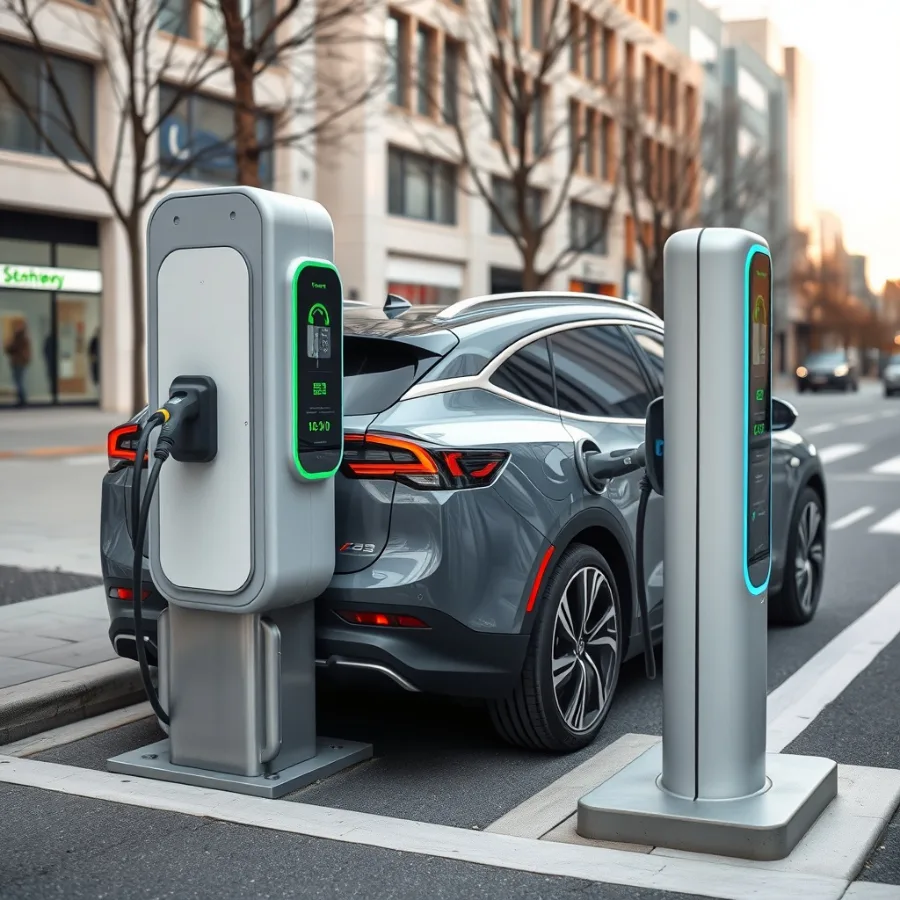
One of the key considerations for EV owners is the availability of charging infrastructure. EV charging stations come in different levels, ranging from standard home chargers to fast chargers found along highways. The convenience and accessibility of charging stations play a significant role in the overall ownership experience of an EV.
Lifecycle Emissions
The environmental impact of a vehicle goes beyond its tailpipe emissions. Lifecycle emissions take into account the production, operation, and disposal phases of a vehicle to assess its overall carbon footprint. EVs generally have lower lifecycle emissions compared to gasoline cars, especially in regions with a cleaner energy grid.
Regional Comparison
- US: In the United States, the adoption of EVs is driven by a combination of federal incentives, state policies, and increasing awareness of environmental issues.
- EU: European countries have set ambitious targets for phasing out internal combustion engine vehicles in favor of electric mobility.
- China: China is the largest market for EVs, with strong government support and a growing charging infrastructure network.
- India: India is gradually shifting towards electric mobility to reduce air pollution and dependence on imported oil.
Future Trends
The future of transportation is evolving rapidly, with advancements in battery technology, autonomous driving, and smart traffic systems. These developments are expected to further enhance the appeal and affordability of electric vehicles, making them a mainstream choice for consumers worldwide.
Related guides: EV vs Gas Car Cost, EV vs gas car cost comparison and EV Ownership Cost.
Frequently Asked Questions
How do EVs compare to gas cars in terms of total cost of ownership?
When considering the total cost of ownership, EVs can be more cost-effective than gas cars over the long term, especially when factoring in lower fuel and maintenance expenses.
Are there any environmental benefits to owning an EV?
Yes, EVs produce zero tailpipe emissions and generally have lower lifecycle emissions compared to gas cars, contributing to reduced air pollution and greenhouse gas emissions.
What role do government policies play in promoting EV adoption?
Government policies such as subsidies, tax incentives, and emission regulations have a significant impact on accelerating the adoption of EVs and transitioning towards sustainable transportation.
Can I charge my EV at home?
Yes, many EV owners choose to install a home charging station for convenient charging overnight. Home charging is a cost-effective and efficient way to keep your EV powered up.
TAGS: ev cost, gas car, electric vehicle ownership, ev benefits, environmental impact, cost comparison, charging infrastructure, future trends
Sources and Further Reading
Related Posts

Leave a Comment
Your comment will be published after it has been approved. Please send comments that do not contain slang words.