
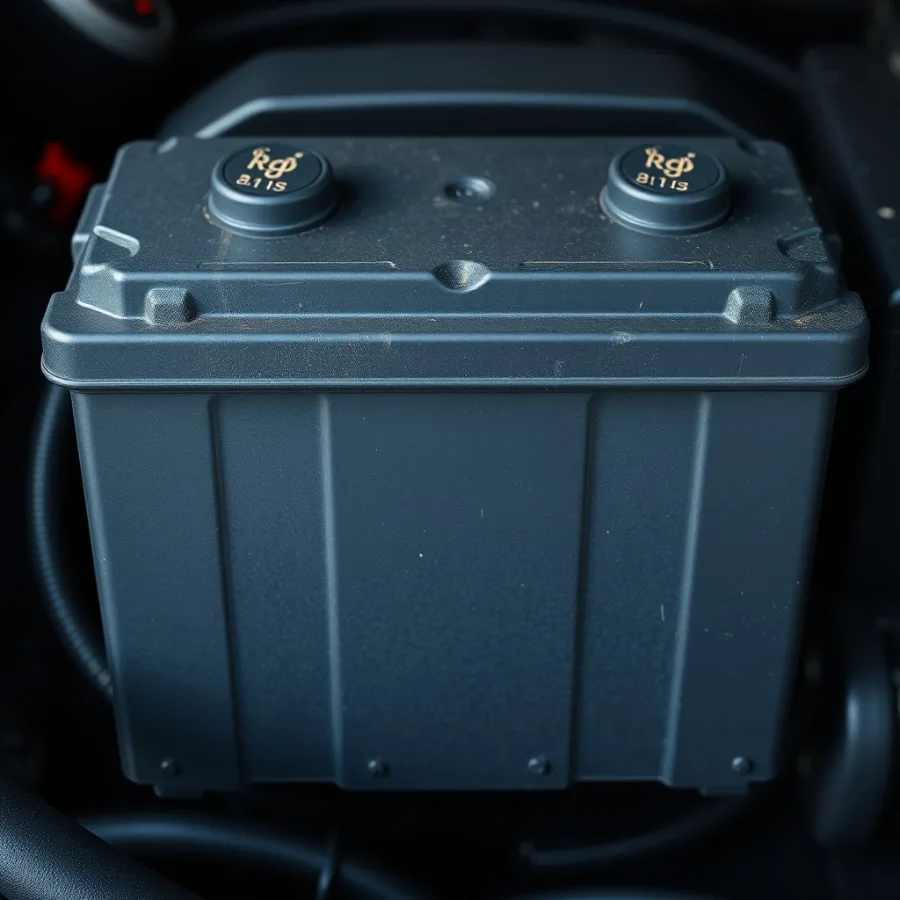
EV Battery Degradation
Updated September 2, 2026 · 3 min read
Table of Contents
- Factors Contributing to EV Battery Degradation
- Impact on Performance and Range
- Mitigation Strategies for Battery Health
- Real-World Examples and Studies
- Comparative Regional Analysis
- Future Trends in Battery Technology
- Frequently Asked Questions
Factors Contributing to EV Battery Degradation
Several factors contribute to the degradation of EV batteries over time, including:
- Temperature fluctuations
- Depth of discharge
- Charging frequency
- Battery chemistry
For more information on how these factors impact battery degradation, refer to studies conducted by the EPA.
Impact on Performance and Range
Battery degradation can lead to reduced performance and decreased driving range in electric vehicles. As batteries lose capacity, the vehicle’s ability to hold a charge diminishes, affecting overall efficiency. Studies by the ICCT have shown that battery degradation can vary significantly based on usage patterns and environmental conditions.
Mitigation Strategies for Battery Health
To maintain optimal battery health and prolong lifespan, EV owners can implement the following strategies:
- Limiting exposure to extreme temperatures
- Avoiding frequent deep discharges
- Using scheduled charging to avoid overcharging
- Implementing smart charging practices
For more information on smart charging solutions, visit Zero Carbon Drive.
Real-World Examples and Studies
Real-world studies have shown the impact of battery degradation on EV performance. A study by the Department of Energy highlighted the importance of battery management systems in mitigating degradation effects and maximizing battery life.
Comparative Regional Analysis
- US: The US market has seen significant advancements in EV technology, with a focus on improving battery efficiency.
- EU: European countries have been at the forefront of adopting sustainable mobility solutions, leading to increased demand for EVs with longer battery life.
- China: China has emerged as a key player in the EV market, investing heavily in battery research and development to address degradation challenges.
- India: India is experiencing growth in EV adoption, prompting the need for effective battery management strategies to combat degradation.
Future Trends in Battery Technology
The future of EV battery technology lies in advancements that address degradation issues while enhancing performance and longevity. Innovations such as solid-state batteries and improved cathode materials are promising solutions to mitigate degradation effects and improve overall battery health.
Related guides: EV Battery Replacement Cost, EV Battery Life and How to extend EV battery life.
Frequently Asked Questions
How does temperature affect EV battery degradation?
Extreme temperatures can accelerate battery degradation by causing chemical reactions that affect the battery’s internal components. It is essential to avoid prolonged exposure to extreme heat or cold to maintain battery health.
Can fast charging contribute to battery degradation?
While fast charging can be convenient, frequent use of high-speed chargers can lead to increased degradation due to higher levels of heat generation. It is recommended to balance fast charging with slower, more gentle charging methods.
What is the average lifespan of an EV battery?
The lifespan of an EV battery can vary depending on usage, environmental conditions, and battery chemistry. On average, modern EV batteries are designed to last for hundreds of thousands of miles before significant degradation occurs.
How can I monitor the health of my EV battery?
Many EVs come equipped with battery management systems that provide real-time data on battery health, including capacity, charging cycles, and overall performance. Regularly monitoring these metrics can help identify potential degradation issues early on.
TAGS: ev battery degradation, electric vehicles, battery lifespan, battery health, sustainable mobility
Related Posts
Leave a Comment
Your comment will be published after it has been approved. Please send comments that do not contain slang words.