
EV vs Gas Cars: The Honest 2026 Comparison
Updated September 23, 2026 · 4 min read
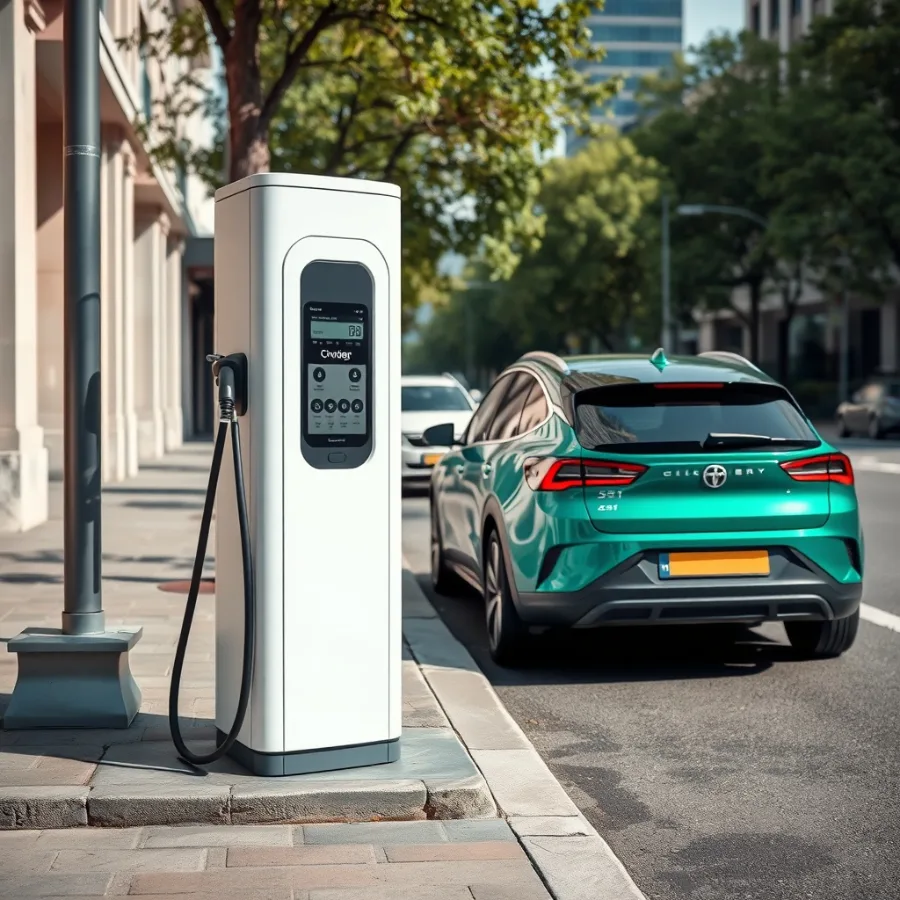
The honest EV vs gas cars comparison comes down to a trade: EVs win decisively on running cost, maintenance, and lifetime emissions, while gas cars still hold an edge on upfront price for many models, refueling speed, and road-trip flexibility in areas with sparse charging infrastructure. Neither is universally “better” — the right choice depends heavily on driving pattern, home charging access, and budget.
- EVs typically cost well under half as much per mile to “fuel” as gas cars, and need far less scheduled maintenance.
- Gas cars still win on refueling speed (minutes vs 20+ for fast charging) and road-trip flexibility without charging-stop planning.
- Full lifecycle analysis, including manufacturing, still favors EVs on total emissions in the vast majority of studied regions.
- The upfront price gap is narrowing but remains real for many models before incentives are applied.
EV vs gas cars: the full comparison
| Factor | Electric Vehicle | Gas Car |
|---|---|---|
| Running cost per mile | Lower, often under half of gas | Higher, tied to fuel prices |
| Maintenance | Lower — no oil changes, less brake wear | Higher — regular oil/filter/exhaust service |
| Lifetime emissions | Lower in most regions, even accounting for manufacturing | Higher, consistent tailpipe emissions |
| Upfront price | Often higher before incentives | Often lower, more model variety at low price points |
| Refueling/recharging time | Minutes at home overnight, 20-40 min fast charging on trips | Minutes at any gas station |
| Driving experience | Instant torque, quiet | Familiar engine feedback |
Where EVs win decisively
The running-cost gap is the clearest EV advantage: electricity, especially charged at home overnight on off-peak rates, typically costs well under half what gasoline costs per mile driven, and with no oil changes, no exhaust system, and reduced brake wear from regenerative braking, scheduled maintenance costs drop substantially over a typical ownership period. On emissions, even accounting for the higher manufacturing footprint of building an EV battery, full lifecycle studies consistently find EVs come out ahead of gas cars on total emissions across the vast majority of grid regions studied.
Where gas cars still hold an edge
Refueling a gas car takes minutes anywhere there’s a station; even the fastest EV charging takes 20-40 minutes, and that’s assuming a working fast charger is available along the route. This matters most for road-trip-heavy drivers, especially in regions with sparse charging infrastructure, and for anyone without reliable home or workplace charging access, where the EV convenience advantage largely disappears. Upfront price also remains a real gap for many models, even as it narrows with falling battery costs and more affordable EV options entering the market.
One practical gap on the running-cost side: a petrol pump charges you for fuel and nothing else, while public charging can add a session fee, a card-transaction fee and a per-minute charge for staying parked after you finish. Our guide to EV charging idle fees sets out what Tesla, Electrify America and EVgo each publish.
Who should choose which
The clearest EV fit is a household with home or workplace charging access, a daily commute comfortably within typical EV range, and enough total driving for running-cost savings to offset the purchase premium over time. Drivers without home charging, those doing frequent long road trips through charging-sparse regions, or buyers prioritizing the lowest possible upfront price may still find a gas or hybrid vehicle the more practical current choice, at least until infrastructure and pricing continue to close the remaining gaps.
The running-cost half of this comparison can be checked directly rather than estimated. The EV charging cost calculator uses average residential electricity prices for all 50 states to work out the annual charging bill against petrol, and the EV charging cost by state breakdown shows where the spread is widest. Upfront price is the other half of the trade, and our list of the cheapest electric cars covers the models that narrow it.
Readers in Europe face a different pair of prices — dearer electricity and much dearer petrol. EVModelCompare runs the same sum for all 27 EU countries in its EV vs petrol running-cost table, from Eurostat household electricity prices and the EU Weekly Oil Bulletin.
If you are running the running-cost comparison for yourself, the home charger is a separate decision from the car. Whether a Level 2 unit is worth installing depends on how much of your charging is already happening at home, which our home EV charger payback calculator quantifies.
Sources and Further Reading
- FuelEconomy.gov: Compare Vehicles Side-by-Side
- U.S. Department of Energy: EV Cost and Ownership Data
Related guides
- How fast EVs lose value — the resale side of the cost comparison.
- The home EV charger tax credit — what expired in June 2026 and what is left.
- Form 1098-VLI, the vehicle loan interest statement — the new form your lender sends, box by box.
- EV road trip calculator — how many charging stops a long drive really needs, and what it costs against petrol.
Is an EV actually cheaper than a gas car overall?
Usually yes on total cost of ownership, thanks to lower running and maintenance costs, though the upfront purchase price is often still higher for many models before incentives are applied.
Are EVs really better for the environment than gas cars?
Yes, in the vast majority of studied regions — full lifecycle analysis, including battery manufacturing, consistently finds EVs produce lower total emissions than gas cars over their lifetime.
Why do gas cars still win on road trips?
Refueling takes just minutes anywhere with a gas station, while even fast EV charging takes 20-40 minutes and depends on charger availability along the route, making gas cars more convenient for long, unplanned road trips.
Do EVs really need less maintenance than gas cars?
Yes, meaningfully — EVs have no oil changes, no exhaust system, and typically less brake wear thanks to regenerative braking, reducing scheduled maintenance costs substantially over a typical ownership period.
Is the EV price gap closing?
Yes, gradually, as battery costs fall and more affordable EV models enter the market, though a real upfront price gap remains for many models before incentives are factored in.
Who should stick with a gas car right now?
Drivers without reliable home or workplace charging access, those doing frequent long road trips through charging-sparse regions, or buyers prioritizing the lowest possible upfront price may still find a gas or hybrid vehicle more practical today.
Every figure on this page is dated and linked to its source. How we verify · Editorial policy · Report a correction
Related Posts
Leave a Comment
Your comment will be published after it has been approved. Please send comments that do not contain slang words.