
Electric Vehicle Maintenance (2026): The Short List That Matters
Updated September 18, 2026 · 6 min read
Last updated: September 5, 2026
Quick answer: Electric vehicle maintenance costs roughly 40% less than a comparable gas car because the biggest service items simply do not exist: no oil changes, spark plugs, timing belts, exhaust, clutch or transmission service. What remains is short — tires, cabin filter, wiper fluid, brake fluid every few years, coolant per schedule — plus new habits (tire rotation matters MORE, brakes rust from disuse). Budget a few hundred dollars a year, mostly tires.
For a shorter version focused on charging habits and battery care, see how to maintain an electric vehicle.
Key takeaways
- The electric vehicle maintenance list is a fraction of a gas car’s — but it is not zero, and skipping it has EV-specific consequences.
- Tires are the #1 recurring cost: rotate every 8–10k km, expect ~20% faster wear.
- Brakes last 2–3× longer thanks to regeneration — but need occasional firm use and inspection to prevent rust seizure.
- The battery needs habits, not service: 20–80% daily, avoid parking at 100% for days, minimal fast charging when practical.
What Electric Vehicle Maintenance Actually Involves
| Item | Interval | Typical cost | Notes |
|---|---|---|---|
| Tire rotation | 8–10,000 km | $20–50 (often free with purchase) | The single most important EV habit — torque wears unevenly |
| Cabin air filter | 1–2 years | $20–60 | Easy DIY on most models |
| Brake fluid check/change | 2–4 years | $100–150 | Hygroscopic fluid ages by time, not use |
| Battery/inverter coolant | Per manual (often 5+ yrs or lifetime) | $100–300 | Follow the book exactly — chemistry-specific |
| Wipers, washer fluid, 12V battery | As needed; 12V ~4–6 yrs | Minor | The 12V battery strands more EVs than the big pack does |
| Alignment check | Yearly or after impacts | $80–150 | Weight makes EVs alignment-sensitive; protects the tire budget |
| Brake inspection/cleaning | Yearly, esp. salty climates | $0–100 | Regen-idled discs rust; occasional firm stops help |
That is the whole recurring list for most models. Compare the absentees: oil and filter every year, spark plugs, ignition coils, timing belt/chain service, transmission fluid, clutch, exhaust and catalytic converter, EGR/DPF cleaning, drive belts, fuel filters — the entire combustion service economy, gone. This is why electric vehicle maintenance conversations are short and why total ownership costs tilt electric despite higher insurance.
The EV-Specific Habits (Where New Owners Slip)
Brakes: use them or lose them
Regenerative braking is so effective that friction brakes on a gently driven EV can go weeks barely touched. The discs respond by rusting — and in salty winter regions, calipers can seize outright. The fix costs nothing: a few firm (safe) stops weekly to scrub the discs, plus a yearly inspection. Budget irony: EV brake JOBS are rare (pads routinely last 100,000+ km), but brake NEGLECT is the most common EV-specific service finding.
Tires: the real maintenance budget
Instant torque plus battery weight wears tires ~20% faster, and EVs specify load-rated, often acoustic-foam tires that cost more. Rotation on schedule, pressures checked monthly (they fall with temperature — see the winter guide), gentle launches, and a yearly alignment are the whole defense. Skipping the cheap items here buys the expensive one early.
The 12-volt battery: the unglamorous stranding risk
Every EV still carries a small 12V battery to boot the computers — and when it dies, the car is as stranded as any 1998 sedan. It lives 4–6 years; many cars warn before failure. If yours is past year four and the car starts acting glitchy, test it first.
Battery Care: Habits, Not Appointments
The traction battery — the component people fear — asks for no scheduled service at all, only routine:
- Live between 20% and 80% for daily use; charge to 100% for trips and drive off soon after.
- Avoid parking for days at 100% or near 0% — the extremes, held long, are what age cells.
- Prefer AC charging for routine, DC for travel — modern packs tolerate fast charging well, but the gentler default still wins long-term. Timing details: charging time guide.
- Let the car sleep plugged in during extremes — thermal management protects the pack using wall power instead of its own.
Do that, and typical degradation of a couple percent a year (with an 8-year/100k-mile warranty behind it) is the whole story — the deep chemistry is in our battery technology guide.
Costs: A Five-Year Electric Vehicle Maintenance Budget
| Years 1–5 (20,000 km/yr) | EV | Comparable gas car |
|---|---|---|
| Scheduled service | ~$800–1,200 | ~$2,500–3,500 |
| Tires | ~$1,200–1,600 | ~$1,000–1,300 |
| Brakes | Often $0 (inspections only) | ~$500–900 (pads/rotors once) |
| Wear items and fluids | ~$300–500 | ~$600–900 |
| Total | ~$2,300–3,300 | ~$4,600–6,600 |
Roughly half — consistent with what large fleet operators and consumer studies keep reporting. The one caveat worth stating: out-of-warranty ELECTRONIC repairs (screens, sensors, onboard chargers) can be pricey when they occur, which is the argument for certified used cars and for brands with proven parts networks.
The Yearly Electric Vehicle Maintenance Calendar
Everything above compressed into a schedule you can copy into a reminder app:
- Monthly (2 minutes): tire pressures against the door-jamb sticker; washer fluid; a glance at tread wear on the inner edges.
- Every 8–10,000 km: rotate tires. This one habit protects the largest recurring line in every electric vehicle maintenance budget.
- Twice a year: a deliberate firm-braking session on an empty road (disc scrub), and a look at the cabin filter if you drive dusty routes.
- Yearly: alignment check, brake inspection with caliper service in road-salt regions, 12V battery test from year four, software/recall check at the dealer or over-the-air.
- Every 2–4 years: brake fluid per the manual; cabin filter regardless of appearance.
- Per the book: battery-loop coolant — intervals vary from 5 years to lifetime by model; the manual, not the forum, is the authority.
Total human time: perhaps two hours a year plus one shop visit. That, honestly, is the entire electric vehicle maintenance workload — the rest of the gas-era calendar simply has no electric equivalent, which is why fleet operators converted their delivery vans first: the vans stopped visiting the workshop.
DIY or Dealer?
Electric vehicle maintenance is friendlier to light DIY than gas cars ever were — cabin filters, wipers, tire rotations and washer fluid need no special tools, and there is no oil to dispose of. Draw the line at anything orange: high-voltage cabling and pack service belong to trained technicians with insulated tooling, no exceptions. Between those poles, independent EV-savvy shops now handle tires, brakes, suspension and 12V systems at rates well below dealers — worth cultivating one before you need it.
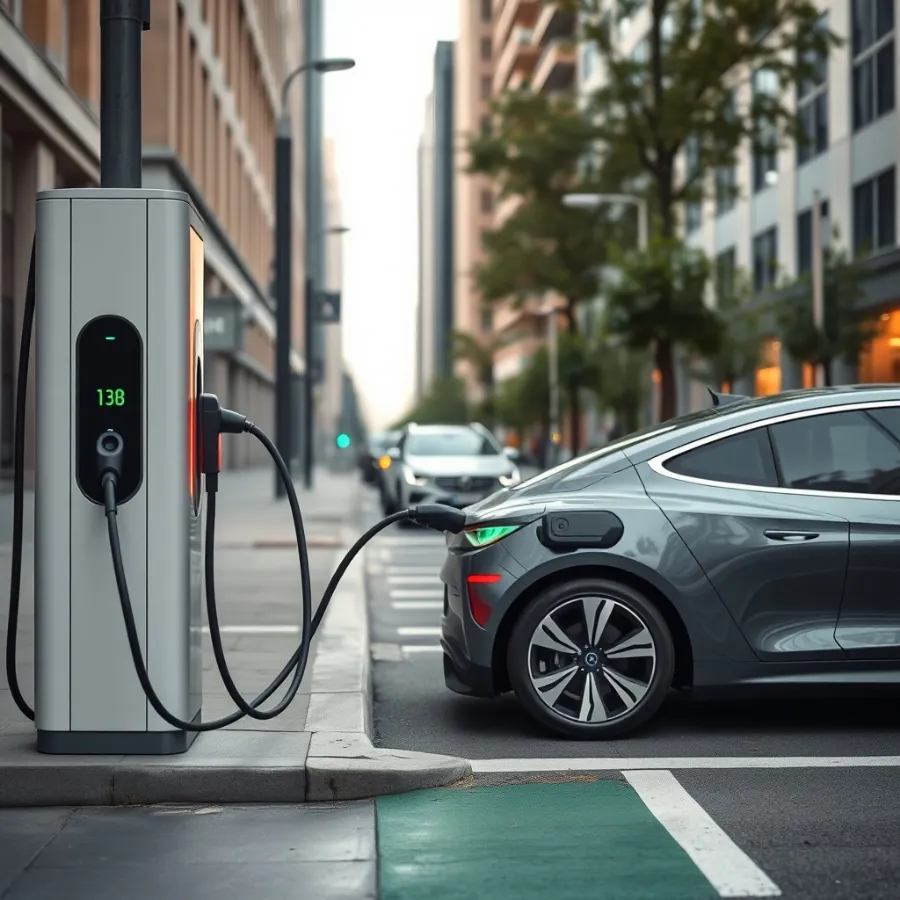
Storing a car unused for weeks is a different problem than daily care — see our EV battery storage tips for the long-parking rules.
It is also why EV brake pads last so long — see our regenerative braking guide for the full mechanism and its one quirk.
Electric Vehicle Maintenance FAQ
Running a whole fleet instead of one car? See our dedicated guide to electric fleet maintenance.
Do electric cars need oil changes?
No. There is no engine oil, spark plugs, timing belt or exhaust system. A reduction gearbox holds lubricant that is typically sealed for life. The recurring list shrinks to tires, filters, brake fluid and coolant per the manual.
How much does electric vehicle maintenance cost per year?
Plan on a few hundred dollars annually – roughly $450-650 averaged over five years including tires, versus about double for a comparable gas car. The savings come from everything the EV simply does not have.
Why do EV brakes need attention if they barely wear?
Because they barely get used: regenerative braking handles most stops, so discs can rust and, in salty climates, calipers can seize. A few firm stops weekly and a yearly inspection prevent it. Pad replacements routinely stretch past 100,000 km.
Does the main battery ever need servicing?
No scheduled service – only habits: daily charging between 20-80%, not parking for days at full or empty, and AC charging as the routine default. Typical packs lose only a couple percent capacity a year and carry 8-year/100,000-mile warranties.
What maintenance do EVs need MORE than gas cars?
Three things: tire care (rotation, pressures, alignment – wear runs ~20% faster), deliberate brake use to prevent rust, and watching the small 12V battery, which strands more EVs than the traction pack ever does.
Can any mechanic work on an electric car?
For tires, brakes, suspension and 12V systems – yes, and independents are often cheaper than dealers. Anything involving the orange high-voltage cabling or the pack itself requires EV-certified technicians with insulated tooling. Never a DIY zone.
Related Guides on ZeroCarbonDrive
- EV ownership costs — where maintenance fits the full ledger
- Winter battery guide — the seasonal care routine
- Battery technology deep dive — what you are taking care of
Sources and Further Reading
For a full EV maintenance cost vs gas car breakdown, see our EV maintenance cost vs gas comparison.
Every figure on this page is dated and linked to its source. How we verify · Editorial policy · Report a correction
Related Posts
Leave a Comment
Your comment will be published after it has been approved. Please send comments that do not contain slang words.