
Carbon Footprint Of Public Transit
Updated September 18, 2026 · 3 min read
Table of Contents
- Introduction
- Measuring Emissions in Public Transit
- Benefits of Public Transit
- Comparison with Other Transportation Modes
- Impact of Urban Mobility Trends
- Regional Differences in Carbon Footprint
- Frequently Asked Questions
Introduction
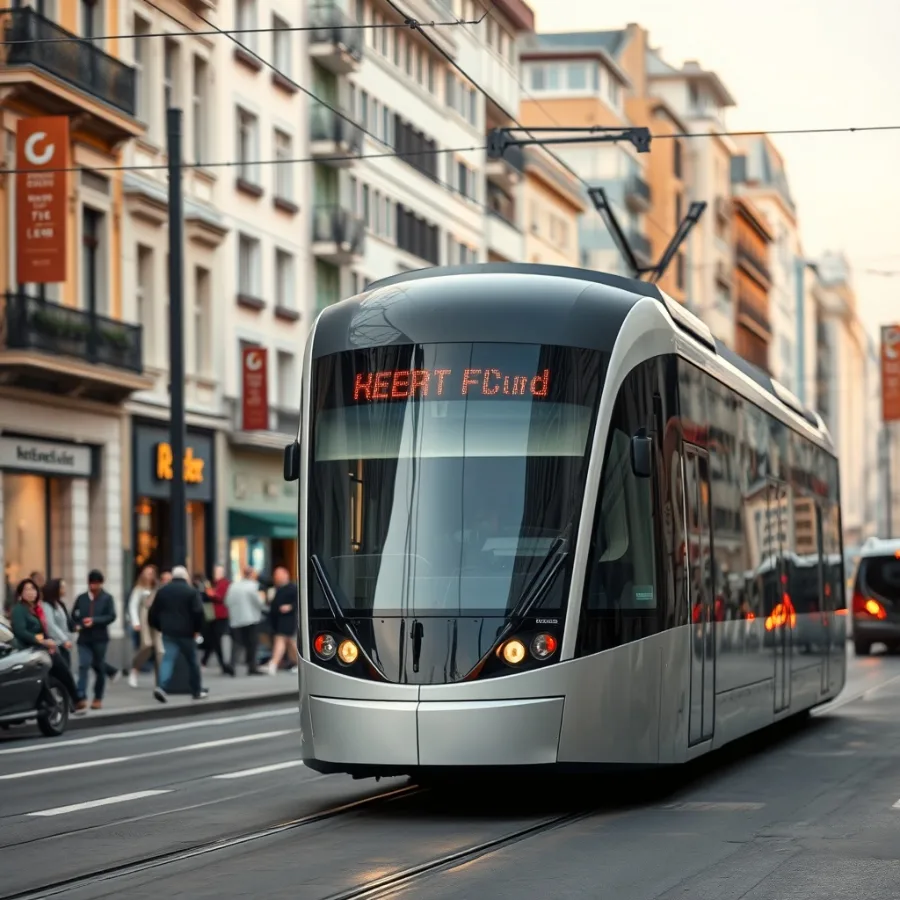
Public transportation systems are a vital component of sustainable urban infrastructure, offering an environmentally friendly alternative to private vehicles. By reducing the number of individual cars on the road, public transit helps decrease overall emissions and improve air quality in cities. Understanding the carbon footprint of public transit involves analyzing the total amount of greenhouse gas emissions produced by various modes of public transportation.
Measuring Emissions in Public Transit
When assessing the carbon footprint of public transit, it is essential to consider factors such as the type of fuel used, vehicle efficiency, and passenger occupancy rates. Emissions are typically measured in grams of CO2 equivalent per passenger-kilometer, providing a standardized way to compare the environmental impact of different transportation options.
- For more information on diesel vs. electric emissions, visit ZeroCarbonDrive.
Benefits of Public Transit
Public transit offers numerous benefits beyond reducing carbon emissions, including improved traffic flow, reduced congestion, and cost savings for commuters. By promoting the use of public transportation, cities can create more sustainable and livable urban environments while lowering overall greenhouse gas emissions.
Comparison with Other Transportation Modes
When comparing the carbon footprint of public transit with that of private vehicles or ride-sharing services, public transportation often emerges as a more environmentally friendly option. Electric buses and trains can significantly reduce emissions compared to traditional gasoline or diesel-powered vehicles, making them a key part of sustainable urban mobility solutions.
- To learn more about smart traffic systems, visit ZeroCarbonDrive.
Impact of Urban Mobility Trends
As urban populations grow and cities become more congested, the importance of efficient and sustainable transportation options becomes even more critical. By embracing innovative solutions and adopting cleaner modes of public transit, cities can reduce their overall carbon footprint and create healthier living environments for residents.
- Explore more about urban mobility trends at ZeroCarbonDrive.
Regional Differences in Carbon Footprint
- US: Public transit initiatives in the US focus on increasing the use of electric buses and trains to reduce emissions.
- EU: European cities prioritize sustainable transportation options, leading to lower carbon footprints for public transit systems.
- China: China is investing heavily in electric buses and high-speed rail to address urban congestion and emissions.
- India: Indian cities are exploring innovative public transit solutions to combat air pollution and reduce greenhouse gas emissions.
Related guides: Public Transport Carbon Footprint, Public Transit Innovations and How To Calculate Your Carbon Footprint.
Frequently Asked Questions
How does public transit contribute to reducing carbon emissions?
Public transit reduces the number of individual vehicles on the road, leading to lower overall emissions from transportation activities.
What role do electric vehicles play in public transit sustainability?
Electric buses and trains offer a cleaner alternative to traditional fossil fuel-powered vehicles, helping cities reduce their carbon footprint.
Are there differences in emissions between urban and rural public transit systems?
Urban public transit systems typically have higher passenger occupancy rates, leading to lower emissions per passenger-kilometer compared to rural systems.
Does public transit help address traffic congestion in cities?
By encouraging more people to use public transportation, cities can alleviate traffic congestion, reduce emissions, and create more sustainable urban environments.
TAGS: carbon footprint, public transit, emissions, urban mobility, sustainable transportation, greenhouse gas emissions
Sources and Further Reading
Every figure on this page is dated and linked to its source. How we verify · Editorial policy · Report a correction
Related Posts


1 Comment
Reduced emissions, cleaner air, and cost savings - public transit is a win-win!
Leave a Comment
Your comment will be published after it has been approved. Please send comments that do not contain slang words.