
Fast Charging Technology in 2026: 800V, SiC and What Comes Next

Updated September 18, 2026 · 6 min read
Last updated: September 6, 2026
Quick answer: Fast charging technology in 2026 is defined by three converging trends: 800-volt architectures that halve charge times on supporting cars, silicon-carbide power electronics that cut losses and heat, and network buildouts pushing past 350 kW peak power. The practical result on today’s best-equipped EVs — 10% to 80% in 15–20 minutes. The next leap, solid state batteries, is still years from mainstream but is being engineered specifically around fast-charging tolerance.
Faster is not always better for the battery or the wallet — see fast vs slow EV charging: which to use and when.
For the wider picture beyond fast charging — wireless, bidirectional and smart charging — see our overview of EV charging technology.
Key takeaways
- 800V architecture (not just bigger kW numbers) is the real 2020s fast-charging technology story — it lets more power flow without frying the cables.
- Silicon carbide (SiC) semiconductors replaced silicon in most new inverters and onboard chargers, cutting energy losses meaningfully.
- Charging curves, not peak kW, determine real-world time — a car’s software and thermal management matter as much as the charger’s rating.
- Solid-state and silicon-anode chemistries are the next fast-charging technology wave, engineered to tolerate higher currents without degrading.
The Voltage Story: Why 800V Changed Fast Charging Technology
Early EVs ran 400V packs — fine for the charging speeds of 2015, a bottleneck by 2020. The fix is basic electrical engineering: power = voltage × current, and current is what generates heat in cables and connectors. Double the voltage and you can deliver the same power at half the current, with far less waste heat. That is exactly what 800V (and higher) architectures do, and it is why fast charging technology on cars built on them (led by the Hyundai/Kia E-GMP platform, Porsche Taycan, and a growing list of others) post the fastest real-world charging times in the industry.
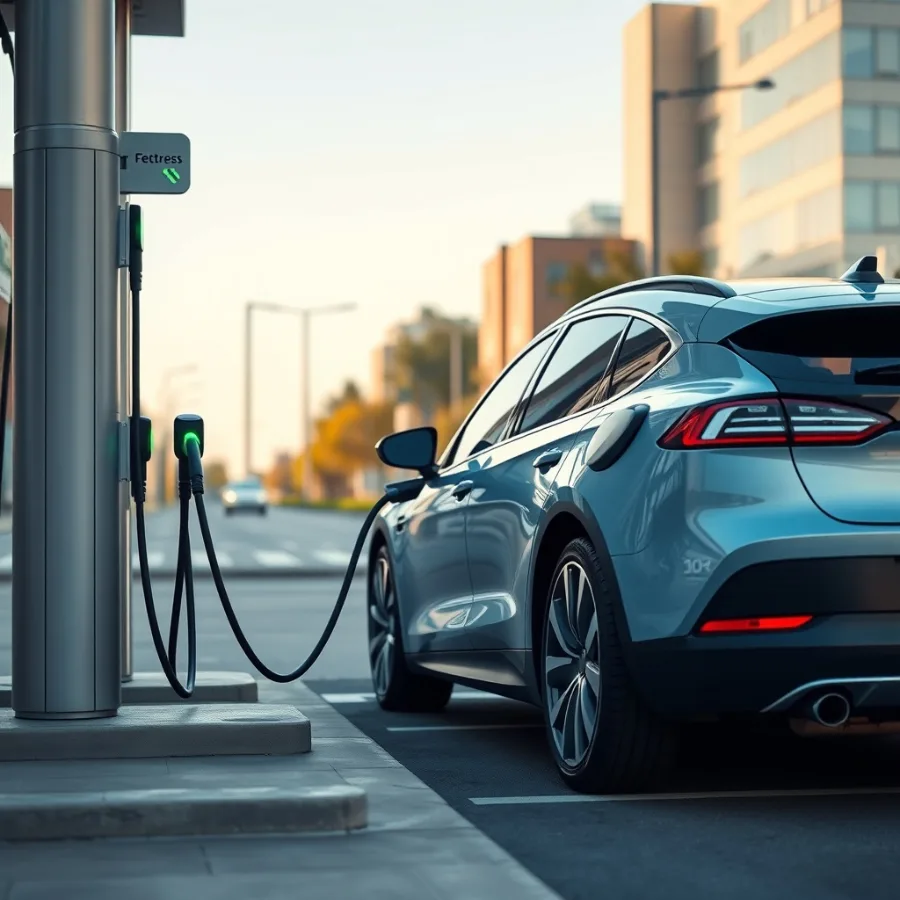
The catch: a 400V car plugged into a 350 kW charger does not suddenly charge at 800V speeds — voltage architecture is fixed at the vehicle, not the charger. Shoppers chasing fast-charging technology should check the pack voltage in the spec sheet, not just the charger’s peak-kW headline.
Silicon Carbide: The Quiet Fast Charging Technology Revolution
Less visible than voltage numbers but arguably more important: power electronics — inverters, onboard chargers, DC-DC converters — increasingly use silicon carbide (SiC) semiconductors instead of traditional silicon. SiC switches faster, tolerates higher temperatures, and wastes less energy as heat. In fast charging technology specifically, this means:
- Smaller, lighter cooling systems for the same power throughput
- Less energy lost between the charger and the battery — a real efficiency win, not just a speed one
- Components that survive the thermal stress of repeated high-power sessions better and longer
Tesla pioneered SiC at scale in its inverters; most premium and now mainstream EVs have followed. It is the unglamorous engineering that makes the glamorous voltage numbers sustainable.
What Actually Determines Your Fast Charging Technology Speed
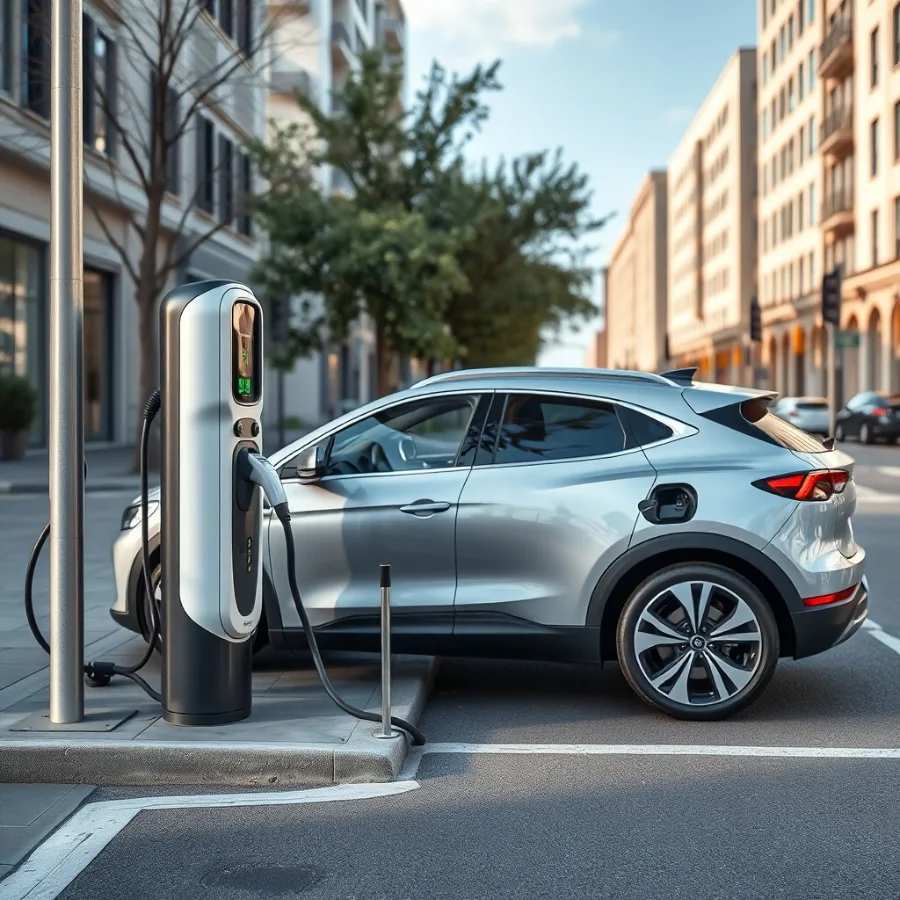
| Factor | Why it matters |
|---|---|
| Battery chemistry and cell design | Determines how much current cells accept without lithium plating |
| Thermal management | A pack held at the ideal temperature sustains peak power longer |
| State of charge | Speed tapers sharply above ~80% on every chemistry — protect the cells |
| Charger’s actual output | Advertised peak kW is often shared between paired stalls or brief |
| Cable and connector rating | Liquid-cooled cables (standard on 350 kW+ stations) handle more current in a thinner, more manageable cable |
The number that matters for trip planning is not peak kW but the average kW across the 10–80% window — the honest metric independent reviewers increasingly publish instead of manufacturer peak claims. See our electric car charging time guide for the full time tables.
What’s Coming Next in Fast Charging Technology
Solid-state and silicon-anode fast charging technology
Today’s graphite anodes are the fundamental speed limit — push current too hard and lithium plates onto the surface instead of intercalating, permanently losing capacity. Next-generation chemistries attack this directly: silicon-anode cells (already shipping in some premium models) hold more lithium per gram and tolerate higher currents; solid electrolytes remove the liquid that limits ion mobility at extremes. Our solid state battery guide covers the full timeline — meaningful automotive volume is still years out, but fast-charge tolerance is one of the chemistry’s explicit design goals, not a side effect.
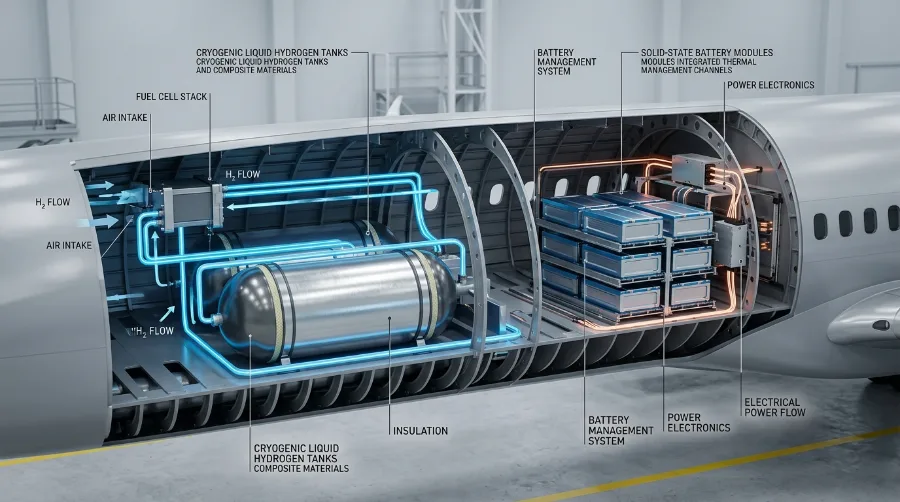
Megawatt fast charging technology (for trucks, and eventually cars)
The Megawatt Charging System standard, developed for electric semi-trucks, defines charging above 1,000 kW. It will not reach passenger cars soon — no consumer battery needs it — but the connector, cooling and grid-interface engineering it forces will filter down, the way Supercharger engineering trickled into the broader industry.
Battery-buffered stations
A growing share of new fast chargers pair with an on-site battery that pre-charges from the grid and discharges in bursts, letting a site offer high peak power without an expensive grid upgrade or demand-charge penalty. This is as much a fast-charging technology story as anything happening inside the car — it is solving the grid side of the equation.
How to Actually Use Fast Charging Technology Well
- Arrive low, leave at 80%. The physics doesn’t change with a better car — it only moves the taper point slightly higher.
- Precondition the battery before arriving — automatic on most modern EVs when you navigate to a charger, and worth 5–10 minutes of session time.
- Pick unshared stalls when the site is busy — many stations split power between paired connectors under load.
- Check your car’s actual charging curve, not the marketing peak — independent test data (Recurrent, EV publications) is more honest than the spec sheet.
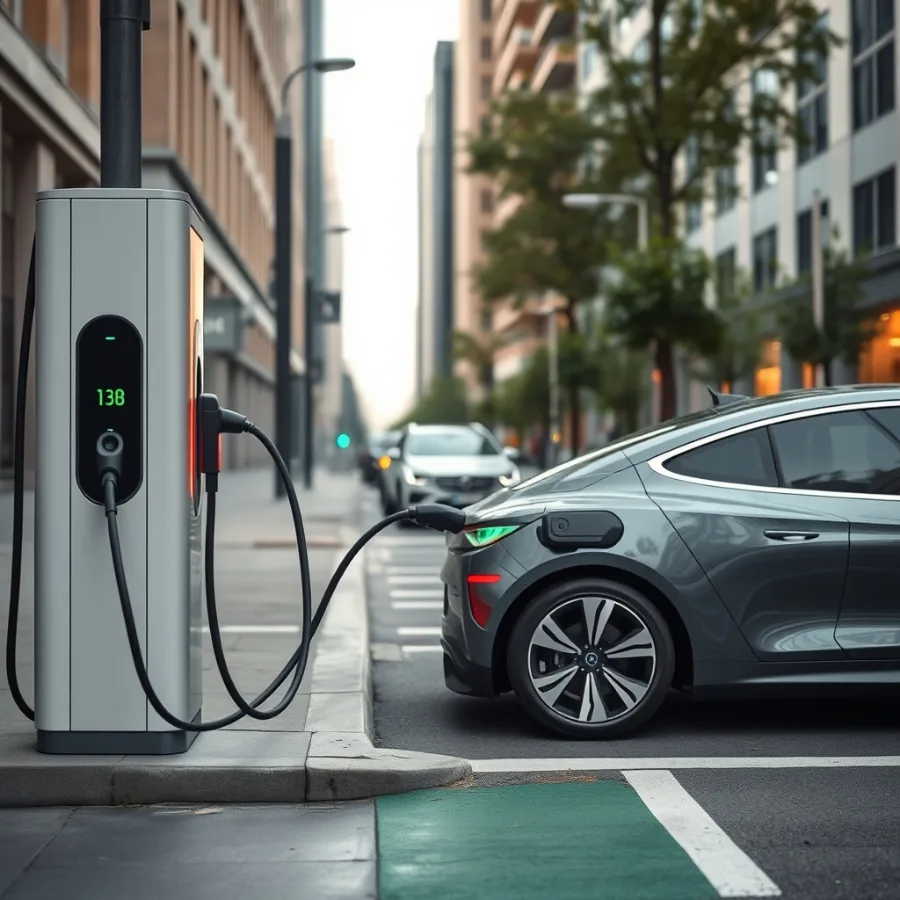
Which chemistry you get shapes how fast it charges — see our advanced battery technology landscape guide.
Staying plugged in after charging finishes can cost more than the electricity itself; see EV charging idle fees by network.
For a specific trip, our EV road trip calculator simulates the stops, time plugged in and cost for your car.
Fast Charging Technology FAQ
Charging habits matter for small e-mobility devices too \u2014 see our e-scooter charging tips.
What is 800V fast charging technology?
A vehicle architecture that runs the battery and drive system at roughly double the traditional 400V, allowing more power to flow at lower current and less waste heat. It is a car-side design choice, not a charger setting – the vehicle must be built for it.
Why does charging slow down after 80 percent?
To protect the cells from lithium plating, which permanently costs capacity. Every fast-charging chemistry tapers current as the pack fills – it is universal behavior, not a flaw in any particular car or charger.
What is silicon carbide and why does it matter for EVs?
A semiconductor material used in modern inverters and chargers that switches faster and wastes less energy as heat than traditional silicon. It enables smaller cooling systems and better efficiency throughout the fast-charging technology stack.
Will solid-state batteries make charging instant?
Not instant, but meaningfully faster and more durable at high current – that is one of their explicit design goals. Meaningful automotive volume is still years away, so today’s silicon carbide and 800V improvements remain the near-term story.
What is Megawatt Charging?
A standard developed for electric semi-trucks that defines charging above 1,000 kW – far beyond any car battery’s needs. It will not reach passenger vehicles directly, but its connector and cooling engineering influences the broader industry.
Does fast charging damage EV batteries?
Occasional fast charging is fine on modern packs with good thermal management. A routine built almost entirely on DC fast charging ages a pack somewhat faster than AC charging – home or workplace charging for daily use remains the healthiest pattern.
Related Guides on ZeroCarbonDrive
- Electric car charging time — the full time tables by charger type
- Solid state battery vs lithium-ion — the chemistry behind the next leap
- Fast vs slow charging — when to use each
Sources and Further Reading
Every figure on this page is dated and linked to its source. How we verify · Editorial policy · Report a correction
Related Posts
Leave a Comment
Your comment will be published after it has been approved. Please send comments that do not contain slang words.