
Public vs private EV charging
Updated September 6, 2026 · 2 min read
Public vs private EV charging
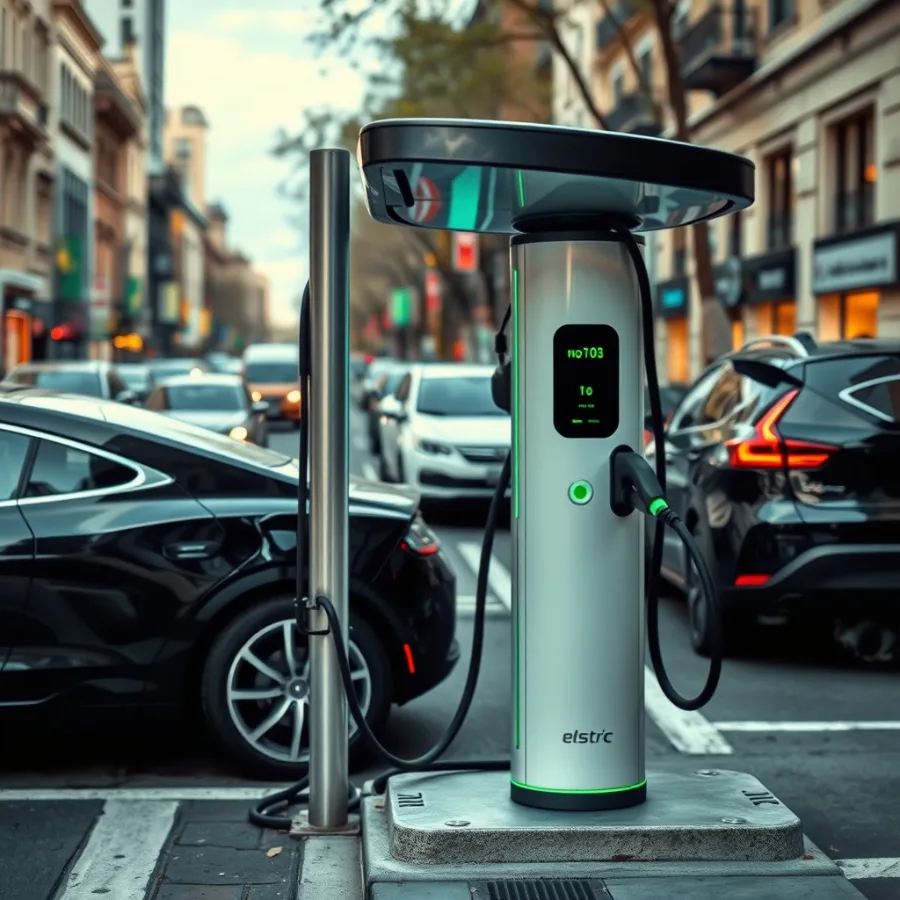
As electric vehicles (EVs) become more popular, the need for convenient and efficient charging solutions is also increasing. One debate that often arises is the comparison between public and private EV charging options. Let’s dive into the differences between the two and explore which one may be the better choice for EV owners.
Accessibility and Convenience
When it comes to public EV charging stations, accessibility is a significant advantage. These charging points are usually located in public areas, such as shopping centers, parking lots, and along highways, making them easily accessible for EV owners on the go. On the other hand, private EV chargers installed at home offer the convenience of charging your vehicle overnight while you sleep, ensuring that you start each day with a full battery.
Cost Considerations
Cost is another crucial factor to consider when deciding between public and private EV charging. While some public charging stations may offer free or low-cost charging, others may come with a fee that can add up over time. On the contrary, charging your EV at home using a private charger allows you to take advantage of lower electricity rates during off-peak hours, potentially saving you money in the long run.
Charging Speed and Efficiency
Public charging stations, especially fast chargers, can provide a quick charge when you’re in a hurry, allowing you to top up your battery in a matter of minutes. However, private chargers offer the convenience of slow charging overnight, which is often more energy-efficient and can help extend the lifespan of your EV’s battery. The choice between speed and efficiency depends on your specific needs and preferences.
Environmental Impact
From an environmental perspective, both public and private EV charging have their benefits. Public charging stations powered by renewable energy sources can help reduce carbon emissions and promote sustainable transportation. Similarly, charging your EV at home using solar panels or other clean energy sources can further minimize your carbon footprint and contribute to a greener future.
Future Outlook
As the popularity of electric vehicles continues to rise, the infrastructure for both public and private EV charging is expected to expand and improve. More investment in charging infrastructure, advancements in technology, and government incentives for EV owners are all contributing to a brighter future for electric mobility. Whether you prefer the convenience of public charging or the comfort of charging at home, the future looks promising for EV owners.
Related guides: Public vs private EV charging cost, Public EV Charging Cost, Fast Charging vs Slow Charging
If you want to run your own numbers, the tools page collects our calculators and the EPA kWh-per-100-mile table in one place.
Our charging and buying guides are collected on the guides index.
To see how quickly a home charger pays for itself against public charging, use our home EV charger payback calculator.
Sources and Further Reading
Every figure on this page is dated and linked to its source. How we verify · Editorial policy · Report a correction
Related Posts
Leave a Comment
Your comment will be published after it has been approved. Please send comments that do not contain slang words.