
Wireless EV Charging (2026): How It Works and Who It Is Really For
Updated September 16, 2026 · 6 min read
Last updated: September 1, 2026
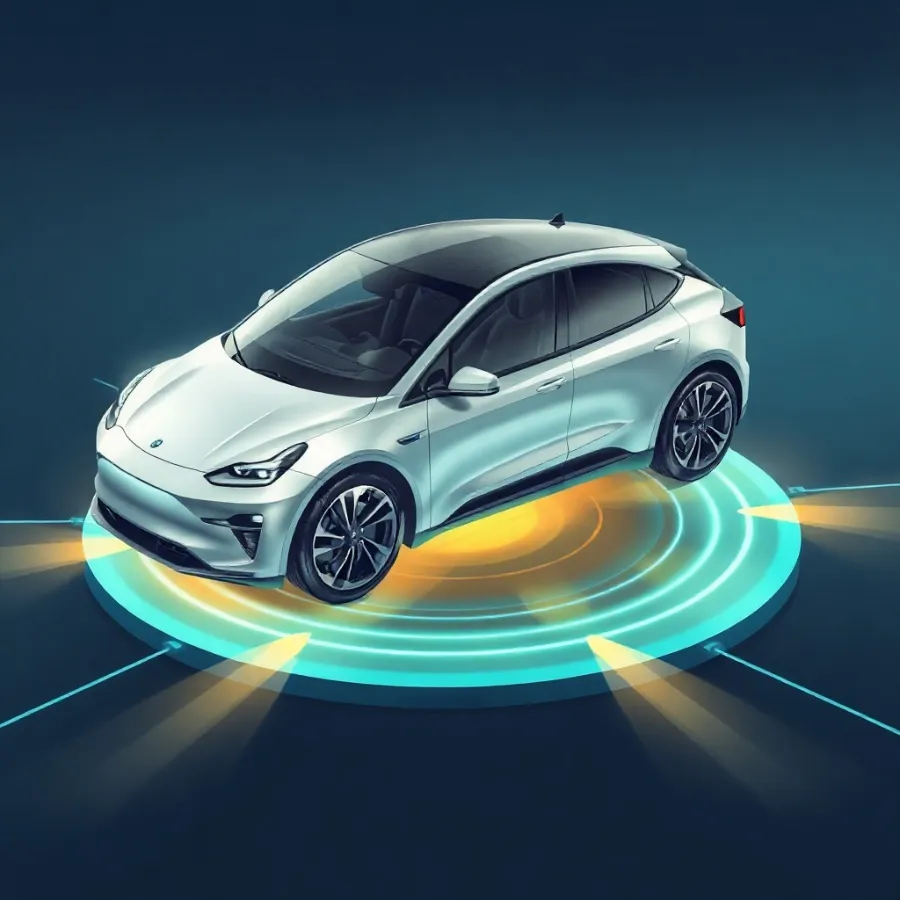
Quick answer: Wireless EV charging works like a giant phone charging pad: a coil in the ground creates a magnetic field, a coil under the car converts it back to electricity. The technology is real and standardized (SAE J2954, typically 11 kW for home units at roughly 90%+ efficiency), but in 2026 it remains a premium niche: factory options on a handful of models, retrofit kits, fleet depots and taxi-rank pilots — not a mainstream alternative to the humble cable yet.
Key takeaways
- Wireless EV charging is inductive power transfer — proven physics, standardized at up to 11 kW for homes, comparable to a wired Level 2 session overnight.
- Efficiency runs a few percent below a cable (roughly 90–93% vs ~95%+); alignment matters and the car parks itself onto the pad on the newest systems.
- The compelling use cases are hands-free ones: fleets, taxis, accessibility needs and autonomous vehicles that must charge without a human.
- Dynamic (in-road, while-driving) charging exists as pilots — Detroit’s electrified road, European and Korean corridors — but economics keep it experimental.
How Wireless EV Charging Works
Two copper coils and some clever electronics:
- A ground pad (on or embedded in the floor) runs alternating current through a coil, creating an oscillating magnetic field tuned to a standardized frequency.
- A vehicle pad mounted under the car sits in that field and induces a matching current — the same resonant inductive coupling as a phone pad, scaled up and tuned across a 10–25 cm air gap.
- Power electronics rectify it to DC and feed the battery through the normal battery-management system; the car and pad negotiate power and shut down instantly if anything metallic or living enters the field.
Foreign-object and living-object detection are why you can not cook a cat with one: sensors cut the field in milliseconds. Electromagnetic exposure at the cabin and around the car sits within the same international limits as household appliances — the boring, load-bearing fact behind every regulatory approval the technology has collected.
Wired vs Wireless EV Charging: The Honest Comparison
| Cable (Level 2) | Wireless pad (J2954) | |
|---|---|---|
| Power (home) | 7.4–11 kW (up to 22) | Typically 3.7–11 kW |
| Efficiency | ~95%+ | ~90–93% aligned |
| Daily effort | Plug in, unplug | Park. That is all |
| Hardware cost | $400–1,200 + install | Several thousand $ + install, falling |
| Vehicle support | Every EV | Few factory options, retrofit kits |
| Weather/wear | Connectors wear, cables freeze | No moving parts, snow-tolerant |
| Best fit | Everyone today | Fleets, accessibility, autonomy, premium convenience |
The efficiency gap deserves honesty: those few lost percent, multiplied over a year, are real kilowatt-hours — at the average US home rate perhaps $20–50 a year for a typical driver. The convenience buyers are not wrong, just paying for it twice: hardware and electrons.
Who Actually Uses Wireless EV Charging in 2026

- Fleets and taxi ranks. The strongest business case: vehicles topping up opportunistically at stands and depots with zero driver action — pilots in Nordic taxi queues and transit depots have run for years. High utilization amortizes the hardware fast.
- Accessibility users. For drivers with limited mobility, plugging a heavy cable in winter is a genuine barrier; a pad removes it entirely — the most under-discussed argument for the technology.
- Premium home installs. A handful of models (led by Asian-market luxury EVs and aftermarket kits for popular models) offer factory or certified wireless options; owners describe the experience as the phone-pad moment — you stop thinking about charging at all.
- Autonomous pilots. A robotaxi cannot plug itself in. Every serious autonomy program assumes hands-free charging; wireless pads and automated connector arms are the two candidates, and pads are winning the depot pilots.
Dynamic Charging: Roads That Power Cars
The sci-fi cousin — coils embedded in the roadway charging vehicles as they drive — has moved from renders to short real segments: Detroit opened a public electrified stretch, Sweden and other European countries have run heavy-vehicle corridors, and Korea’s inductive buses pioneered the idea a decade ago. The physics works; the economics are brutal (millions per kilometer against trucks that could simply carry bigger batteries). The plausible near-term niche is fixed, repetitive heavy routes — ports, mines, bus rapid transit — not the family car’s highway. Treat headlines about “charging highways” with the same certification-reality lens as our eVTOL coverage: pilots are progress, not products.
What a Home Wireless EV Charging Install Involves
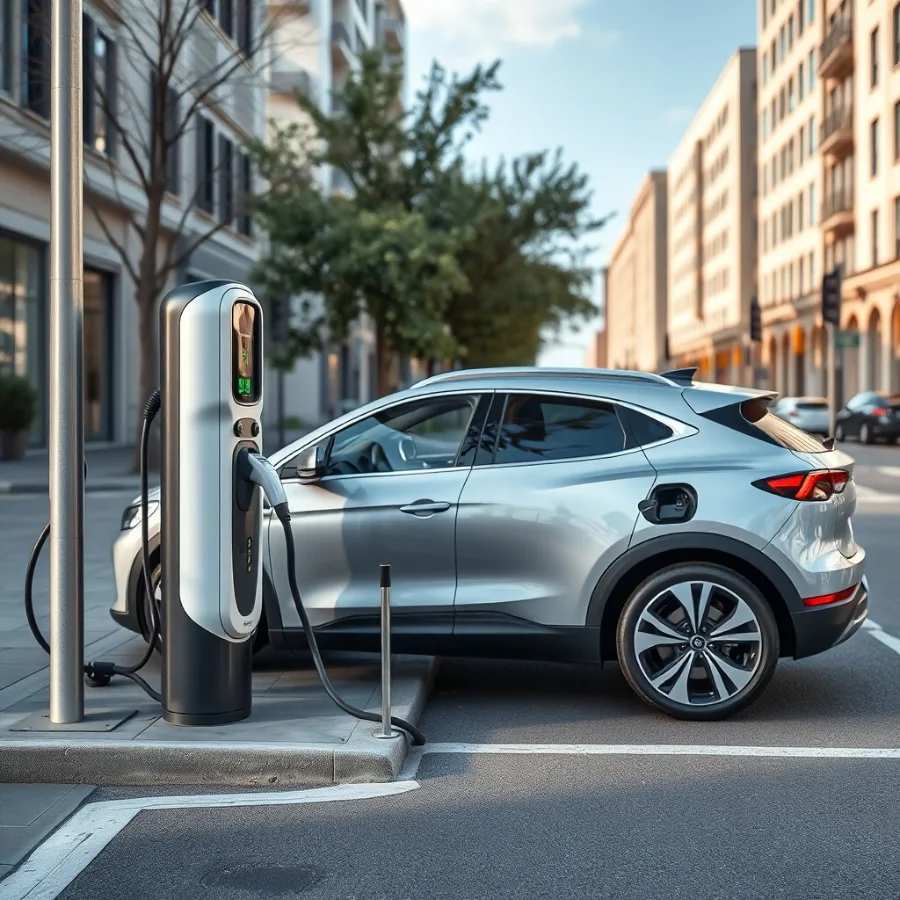
For the owners who do take the plunge today, the project looks like this:
- The circuit. Identical to a wired Level 2 install: a dedicated 240 V circuit sized for the pad’s power (a 40–50 A breaker for 11 kW class units). If your garage already has wallbox wiring, the hard part is done — costs mirror the standard installation numbers.
- The ground pad. Surface-mounted units bolt to the floor in an afternoon; flush-mounted versions set into concrete look cleaner and survive snowplows, at extra labor. Outdoor-rated pads shrug off rain and snow — the field does not care about weather.
- The vehicle pad. Factory-equipped cars are ready; retrofits mount a receiver under the floor and tie into the DC charging path, a half-day job for a certified shop.
- Alignment assistance. The system guides parking via the dashboard until the coils overlap within tolerance; newer cars with automated parking simply place themselves. Misparking costs efficiency, not safety — the pad refuses to run badly aligned.
Total damage for an early adopter adding wireless EV charging to a supported car in 2026: typically a few thousand dollars all-in, against a few hundred for an excellent cable setup. That multiple is the entire argument for waiting — and it has been falling every year as fleet volumes build. The moment a mainstream model ships wireless EV charging as a standard feature, the pad follows the trajectory of every car technology before it: luxury option, then trim upsell, then just how cars work.
Should You Wait for Wireless? (No — Here Is the Path)
The cable is not a hardship, and wireless EV charging will arrive as an add-on, not a replacement: the J2954 standard means pads installed for fleets today will serve consumer cars tomorrow, and garage wiring done for a Level 2 charger is exactly the circuit a future pad needs. Buy the EV on today’s merits, wire the garage properly once, and treat the pad as the stereo upgrade of the 2020s: delightful, optional, and cheaper every year you wait.
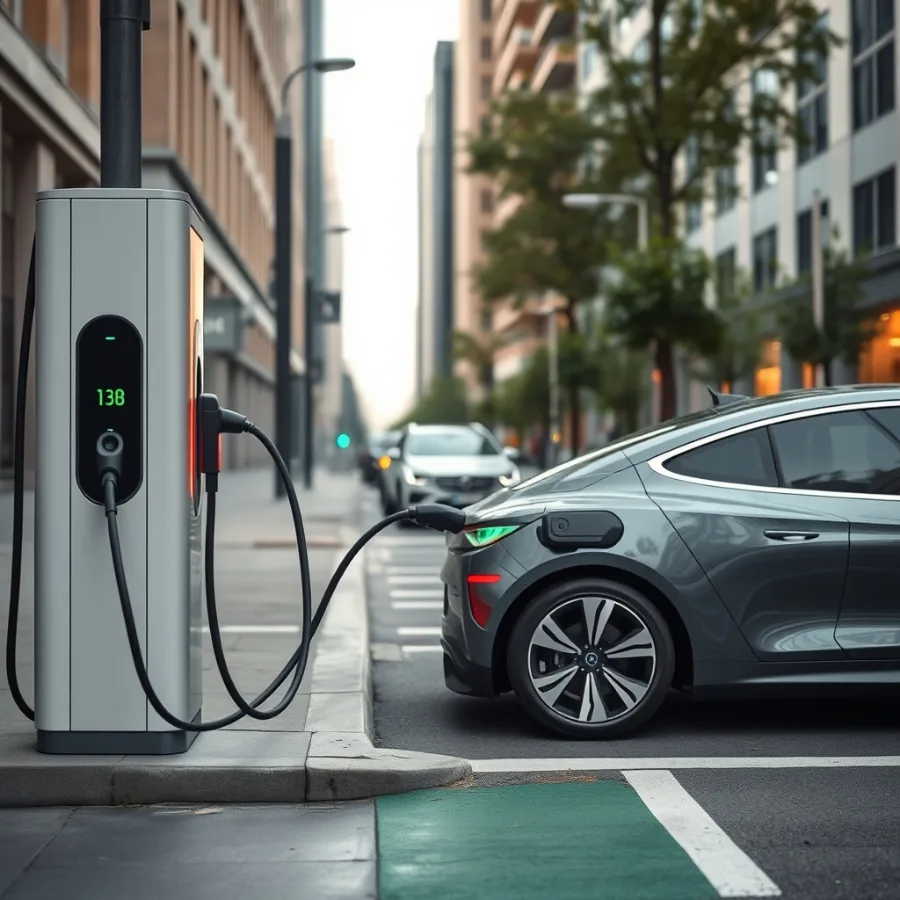
For the wired automation layer most owners should try first, see our smart charging solutions guide.
Wireless EV Charging FAQ
Bidirectional charging takes this further \u2014 see our V2G vs V2H comparison for how EVs can power a home or the grid.
Does wireless EV charging exist yet?
Yes – standardized (SAE J2954), sold as factory options on a small number of models, as certified retrofit kits, and deployed in fleet and taxi pilots. It is real but niche in 2026; the cable remains the mainstream.
How fast is wireless EV charging?
Home units typically deliver 3.7-11 kW – the same league as a wired Level 2 charger, meaning a full overnight recovery. Higher-power depot systems exist for buses and trucks. Nobody fast-charges wirelessly at highway speeds outside pilots.
How much energy does wireless charging waste?
A well-aligned modern pad runs roughly 90-93% efficient versus ~95%+ for a cable. For a typical driver that difference costs perhaps $20-50 a year in electricity – real, modest, and the honest price of never touching a cable.
Is wireless EV charging safe for people and pets?
Yes. Systems carry living- and foreign-object detection that cuts the field in milliseconds, and electromagnetic exposure around the vehicle stays within the same international limits as household appliances – the basis of their regulatory approvals.
Can I add wireless charging to my current EV?
For several popular models, yes – certified retrofit kits add a vehicle pad and connect through the existing charge port, at a few thousand dollars installed. Check that the kit is J2954-compliant so it works with standard ground pads.
Will roads charge cars while driving someday?
Short segments already do – Detroit runs a public electrified stretch and Europe and Korea have corridors – but at millions per kilometer the near-term case is fixed heavy routes like ports and bus lines, not general highways.
Related Guides on ZeroCarbonDrive
- Level 2 EV charger guide — the wired baseline wireless must beat
- Electric car charging time — where 11 kW fits the bigger picture
- Connected vehicles — the autonomy wave that needs hands-free charging
Sources and Further Reading
Every figure on this page is dated and linked to its source. How we verify · Editorial policy · Report a correction
Related Posts
Leave a Comment
Your comment will be published after it has been approved. Please send comments that do not contain slang words.