
Micromobility and city planning
Updated September 2, 2026 · 2 min read
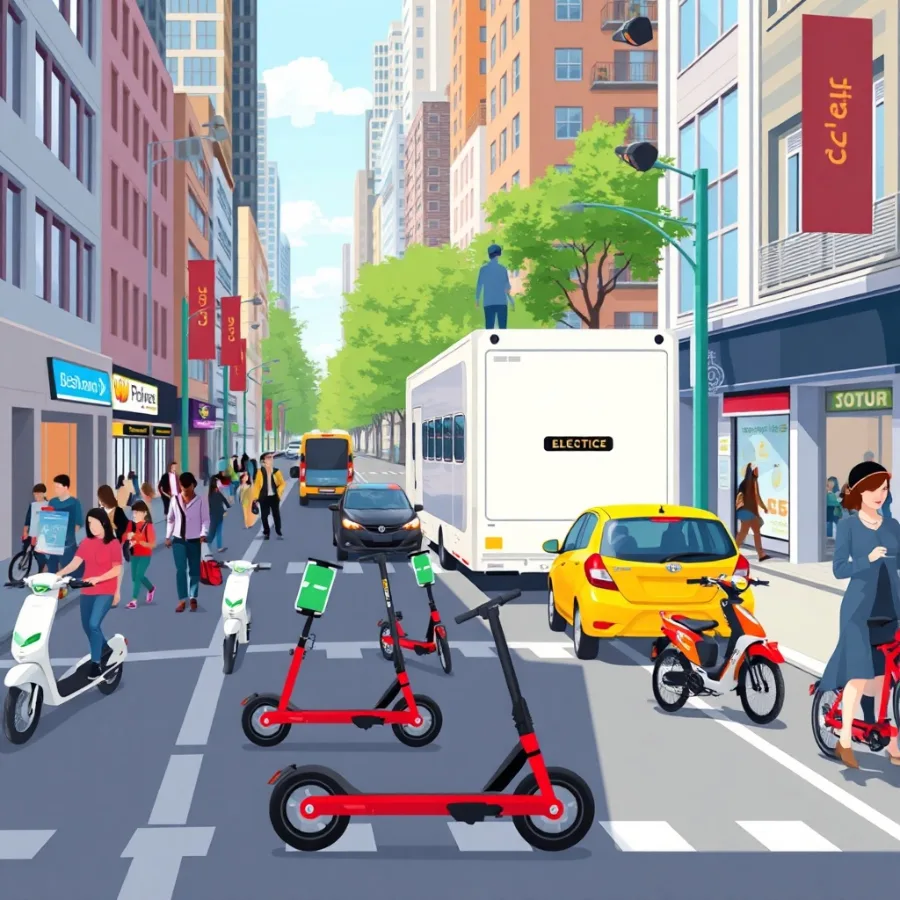
Micromobility and city planning play a crucial role in shaping the future of urban transportation. In recent years, the rise of electric scooters, bikes, and other compact vehicles has revolutionized how people move around cities. These convenient modes of transportation offer a sustainable and efficient way to navigate urban areas, reducing congestion and pollution. However, integrating micromobility into city planning requires careful consideration and strategic decisions.
The Benefits of Micromobility
Micromobility offers numerous benefits to both individuals and cities. It provides a cost-effective and eco-friendly alternative to traditional modes of transportation, promoting a healthier lifestyle and reducing carbon emissions. Additionally, micromobility options are often faster than cars in dense urban areas, making them a practical choice for short trips. By incorporating dedicated lanes and parking spaces for micromobility vehicles, cities can further enhance their accessibility and safety.
Challenges in City Planning
Despite its advantages, micromobility presents challenges for city planners. Ensuring the safety of riders and pedestrians, managing parking and congestion, and regulating the use of shared vehicles are all critical considerations. City officials must also address issues of equity and accessibility to ensure that micromobility services are available to all residents, regardless of their socioeconomic status. Balancing the needs of different road users and stakeholders is essential for successful integration of micromobility into urban environments.
The Future of Urban Transportation
As cities continue to grow and evolve, the role of micromobility in urban transportation will only become more prominent. Innovations in technology and infrastructure, such as bike-sharing programs and smart mobility solutions, will further enhance the efficiency and sustainability of micromobility services. By working collaboratively with stakeholders and communities, city planners can create a more inclusive and integrated transportation system that prioritizes the needs of all residents.
Conclusion
Micromobility has the potential to transform the way we move around cities, offering a viable solution to urban transportation challenges. By incorporating micromobility into city planning processes and infrastructure development, cities can create more livable, sustainable, and connected urban environments. As we look towards the future, embracing micromobility as a key component of urban transportation is essential for building resilient and thriving cities.
Related guides: Sustainable city transit models, Smart city transportation solutions, Sustainable City Transit
Sources and Further Reading
Related Posts



Leave a Comment
Your comment will be published after it has been approved. Please send comments that do not contain slang words.