
Future of urban transportation
Updated September 1, 2026 · 2 min read
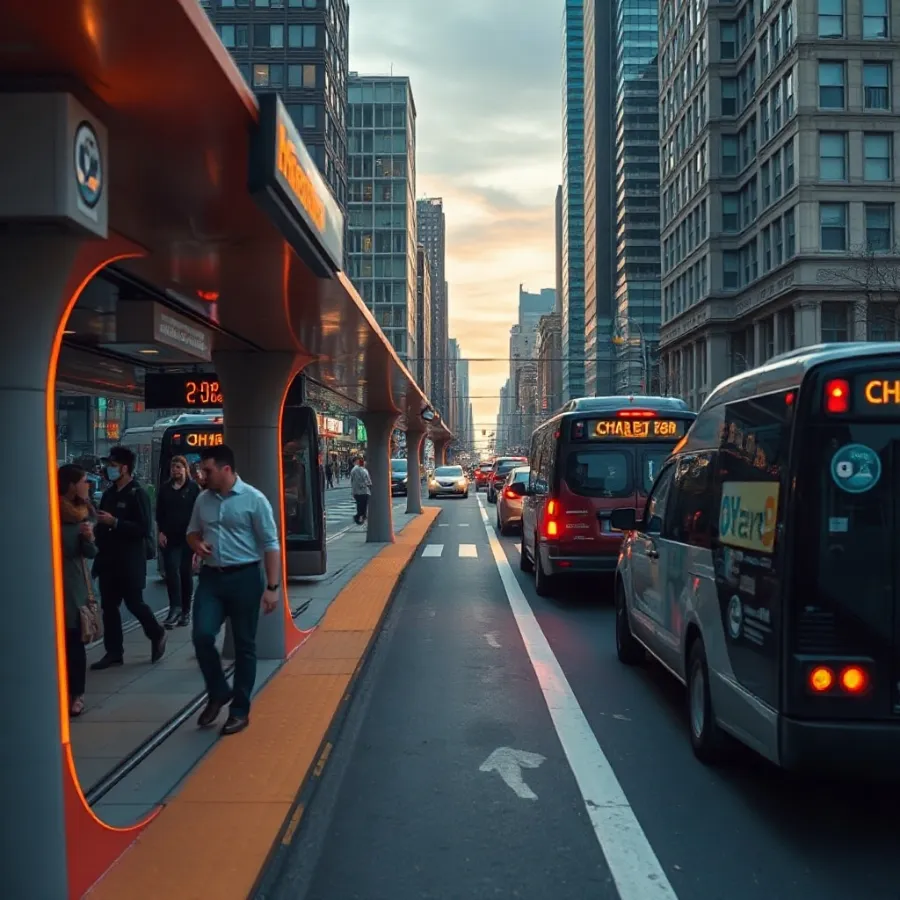
As our world continues to evolve, so does the way we move within it. The future of urban transportation is a topic of great interest and importance, with advancements in technology and sustainability shaping the way we navigate our cities. From the rise of electric vehicles to the development of smart infrastructure, the landscape of transportation is undergoing a significant transformation.
Sustainable Mobility Initiatives
In recent years, there has been a growing emphasis on sustainable mobility initiatives aimed at reducing carbon emissions and promoting eco-friendly modes of transportation. Cities around the world are investing in bike-sharing programs, electric scooters, and pedestrian-friendly infrastructure to encourage greener commuting options. The shift towards sustainable modes of transport not only benefits the environment but also promotes healthier, more active lifestyles among urban dwellers.
Smart Cities Integration
The concept of smart cities, which utilize data and technology to improve efficiency and quality of life, is revolutionizing urban transportation. From intelligent traffic management systems to autonomous vehicles, smart cities are embracing innovative solutions to alleviate traffic congestion and enhance mobility. By integrating transportation networks with digital platforms, cities can optimize routes, reduce travel times, and provide real-time information to commuters, ultimately creating a more connected and efficient urban environment.
Public Transit Transformation
Despite the rise of individual mobility options, public transit remains a crucial component of urban transportation systems. To meet the demands of growing populations and evolving mobility needs, public transit agencies are modernizing their services through the adoption of digital payment systems, real-time tracking apps, and on-demand shuttle services. By improving accessibility, convenience, and reliability, public transit can continue to play a vital role in reducing traffic congestion and improving air quality in cities.
Micro-Mobility Solutions
In addition to traditional modes of transportation, micro-mobility solutions such as e-scooters, electric bikes, and ride-sharing services are gaining popularity in urban areas. These flexible and cost-effective options provide convenient alternatives for short-distance trips, reducing the reliance on personal vehicles and contributing to a more sustainable urban environment. By embracing a diverse range of transportation choices, cities can create a more inclusive and efficient mobility ecosystem that meets the needs of all residents.
As we look ahead to the future of urban transportation, it is clear that collaboration between governments, technology providers, and the public is essential to drive innovation and create more livable, sustainable cities. By embracing new technologies, promoting sustainable practices, and prioritizing accessibility, we can build a transportation system that is efficient, equitable, and environmentally friendly for generations to come.
Related guides: Future of personal transportation, Future of public transportation, What Is Future Mobility and How Is It Shaping Tomorrow’s Transportation?
Sources and Further Reading
Related Posts

Leave a Comment
Your comment will be published after it has been approved. Please send comments that do not contain slang words.