
EV Range Anxiety (2026): The Myths, the Math and the Real Fix
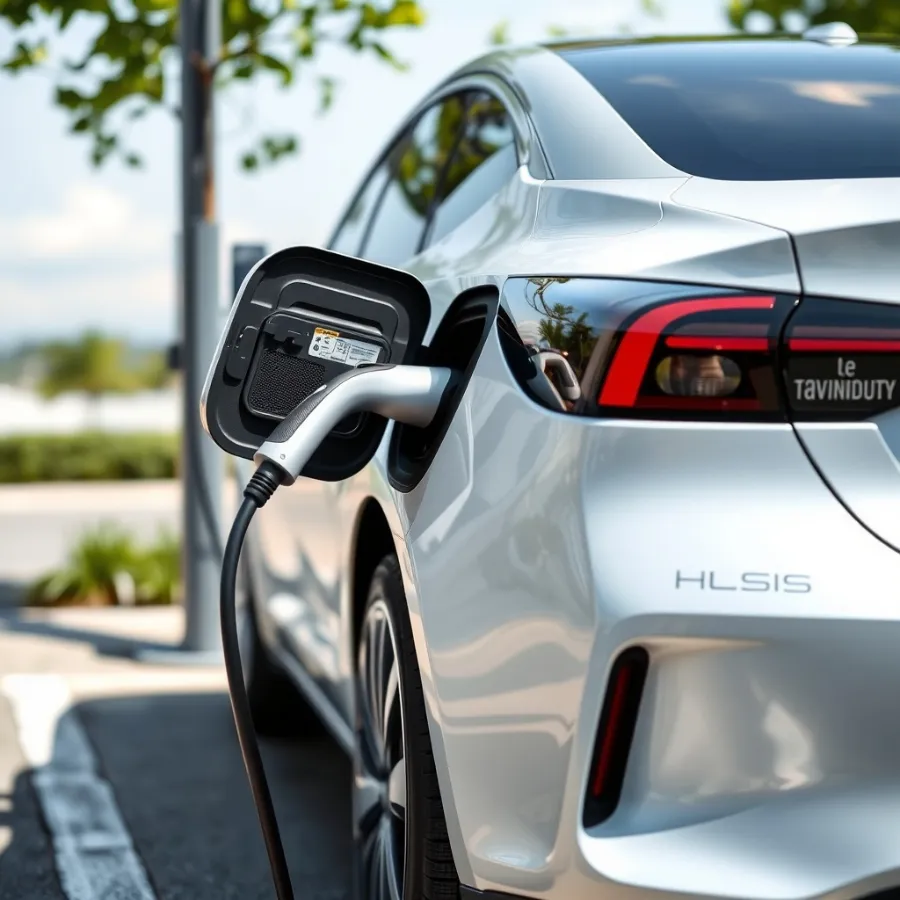
Updated September 18, 2026 · 7 min read
Last updated: September 1, 2026
Quick answer: EV range anxiety is the fear of running out of charge before reaching a charger — and the data says it is mostly a pre-purchase condition. The average US driver covers roughly 60 km a day; even a modest 400 km EV holds nearly a week of that. Surveys consistently show the worry fades sharply within months of ownership, replaced by a different, legitimate complaint: charger reliability. The cure is not a bigger battery — it is home charging, honest winter math and one good route planner.
Key takeaways
- EV range anxiety peaks before purchase and collapses with experience — owners’ real concern shifts to whether the charger works when they arrive.
- Daily driving uses a fraction of any modern EV’s range; anxiety is really about the 5–10 exceptional days a year.
- Plan winter at ~70% of rated range and road trips 10–80%, and the surprises disappear.
- Running completely dry is rare in practice: cars warn relentlessly, limp modes stretch the last kilometers, and roadside charging exists.
What EV Range Anxiety Actually Is (and Who Has It)
Ask non-owners why they hesitate on an EV and range sits at or near the top of every survey. Ask owners what actually bothers them and the answer changes: broken or occupied fast chargers, clunky payment apps, winter surprises — operational annoyances, not existential fear. That gap between imagined and experienced risk is the signature of EV range anxiety: it is a prediction error, not a report from the field.
The prediction error has an understandable source. Drivers translate the gas-station model — refuel somewhere out there when nearly empty — onto a technology that works the opposite way: refuel at home every night, arrive everywhere with a full tank. Judged by the wrong model, a 400 km battery looks like a short leash. Judged by the right one, it is five days of margin.
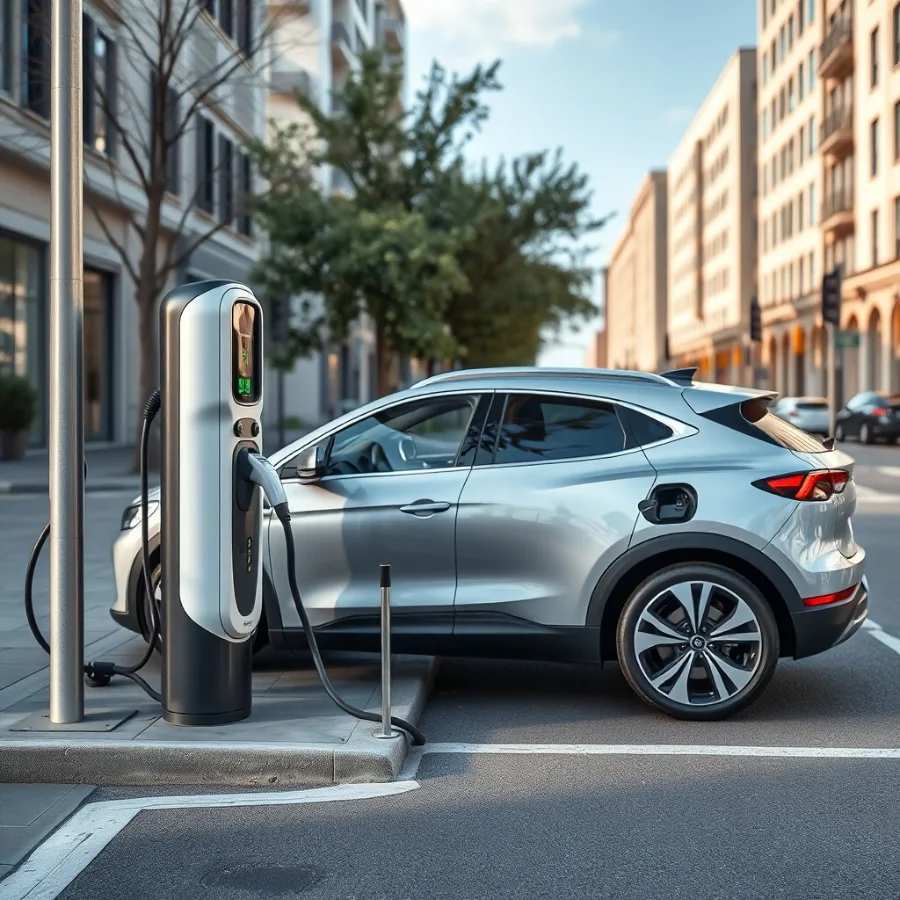
The Numbers That Deflate the Fear
| Claim behind the anxiety | The measurable reality |
|---|---|
| “I might get stranded on a normal day” | Average US daily driving ≈ 60 km; typical new-EV range 350–550 km — a 6–9× buffer, renewed nightly |
| “Chargers are rare” | US public charging has grown every quarter for years, with fast-charge corridors on every interstate; coverage maps, not counts, matter — check yours in our charging stations guide |
| “Range means nothing in winter” | Winter costs ~22% on average (30,000-car data) — real, predictable, and planable: see the winter battery guide |
| “EVs die suddenly like a phone” | Cars warn for dozens of kilometers, route to chargers automatically and enter reduced-power modes before stopping |
| “Used EVs have worn-out range” | Modern packs degrade a couple percent a year and carry 8-yr/100k-mile warranties; battery reports verify any used car |
The Part of EV Range Anxiety That Is Legitimate
Honesty builds trust, so here is the defensible core of the worry:
- Charger reliability is the real 2026 problem. Arriving at a dead or occupied fast charger with 8% battery is genuinely stressful — this, not range, is what pushes owners toward networks with redundancy and toward cars with accurate real-time charger data.
- Rural and apartment gaps are real. Without home charging, every kilometer of range does double duty; if your region’s fast-charge coverage is thin, a bigger battery or a plug-in hybrid is rational, not cowardly.
- Towing and headwinds break the estimates. Towing can halve range; the trip computer catches up only after you have committed. Experienced towers plan at 50% and are pleasantly surprised.
- The estimator lies optimistically on some cars. Owners learn their car’s honesty factor within weeks; until then, trust percentage over projected kilometers.
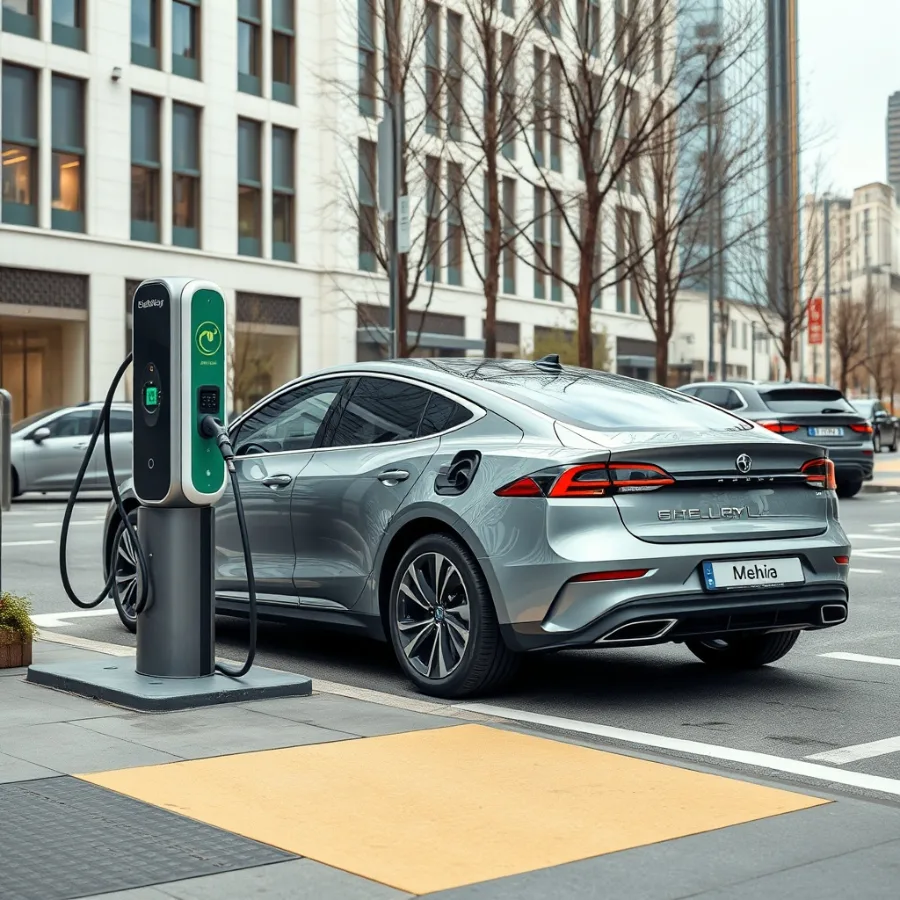
The Five Habits That End EV Range Anxiety
- Charge where you sleep (or work). Nothing else comes close: nightly charging converts range from a resource you manage into a background condition, like a phone that starts every day at 100%. Setup details: home charging guide.
- Learn your real consumption, once. Drive a familiar 100 km loop, note the kWh, and you own the only number that matters. Every trip after that is arithmetic — the same arithmetic as our charging time guide.
- Use a route planner with live charger status for anything beyond one charge — the car’s own navigation on most modern EVs, or apps that show stall-level availability. The plan removes the unknown, and the unknown was the anxiety.
- Adopt the 10–80% road-trip rhythm. Stops land at meal times, charging curves stay in their fast zone, and buffers stay honest.
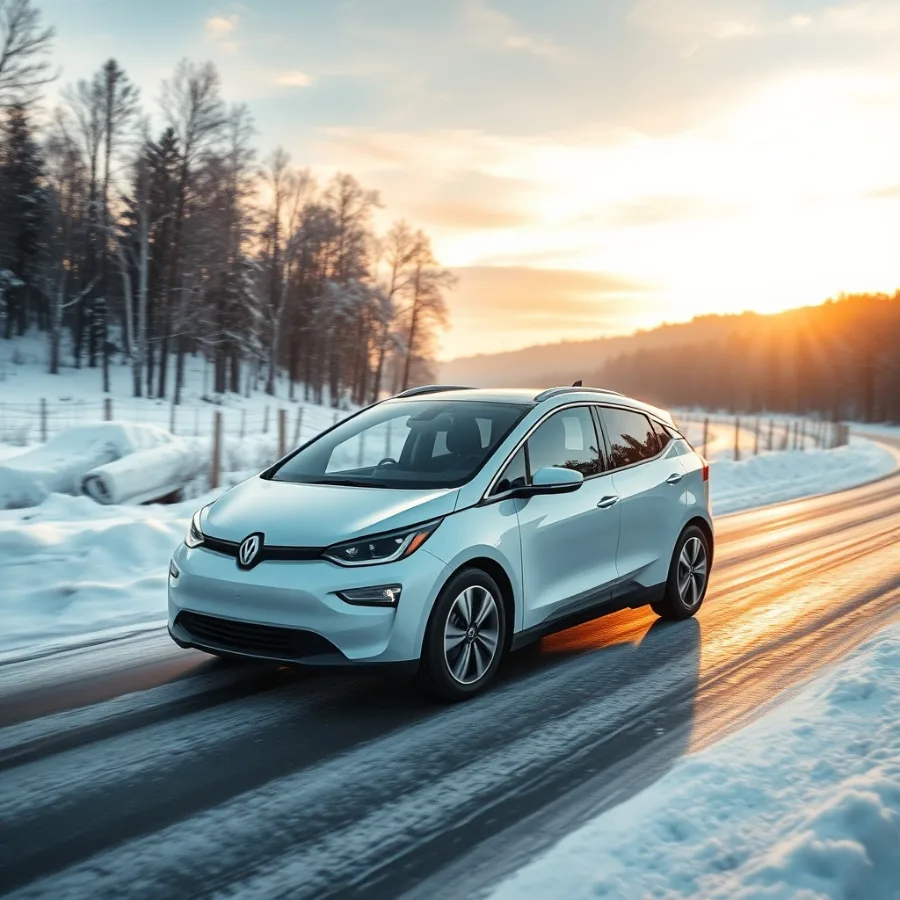
- Winter-adjust by default. Rated range × 0.7 in freezing weather, preheat while plugged in, preheat the battery before fast charging. Predictability is the cure; winter is only scary unbudgeted.
The Household Problem: When Your Passenger Has EV Range Anxiety
A pattern every owner recognizes: the driver adapts in weeks, but the spouse, parent or teenager riding along keeps asking “are we going to make it?” for a year. Their EV range anxiety is rational too — they see the percentage falling without owning the mental model that makes it boring. Three fixes that work in practice:
- Show the buffer, not the percentage. “We arrive with 22%, which is 80 kilometers spare” lands differently than a shrinking number on a screen. Most cars display arrival percentage on navigation — put it on the main screen for trips.
- Let them plan one trip. Ten minutes with the route planner — pick the lunch stop next to the fast charger — converts a back-seat worrier into the family’s charging strategist faster than any lecture.
- Bank one boring success. After a single uneventful long trip, the topic usually dies. Owners consistently report that experienced EV range anxiety does not survive contact with an ordinary, well-planned journey.
The same psychology applies at fleet and company-car scale: organizations that give drivers one guided long trip during onboarding report the complaints drop to near zero, while those that only hand over keys and a charging card relearn the prediction-error lesson one driver at a time. EV range anxiety, in the end, is unfamiliarity wearing a technical costume — and familiarity is cheap to manufacture.
Buying Against Anxiety: How Much Range Do You Actually Need?
The market answer — buy the biggest battery you can afford — is expensive therapy. The engineering answer:
- Home charger + normal commuting: 350–450 km rated range covers life with margin; spend the battery savings on the wallbox and a heat pump trim.
- No home charging: prioritize fast-charging speed and network coverage over raw range — a car that adds 250 km in 15 minutes beats one that stores 100 km more but charges slowly. Our cheapest EVs guide flags which budget models get this right.
- Regular towing or remote-area driving: this is the honest case for 500+ km packs or, where coverage is thin, a plug-in hybrid until corridors fill in.
Framed this way, EV range anxiety becomes what it always was underneath: a specification question with a numerical answer, not a character trait of electric cars.
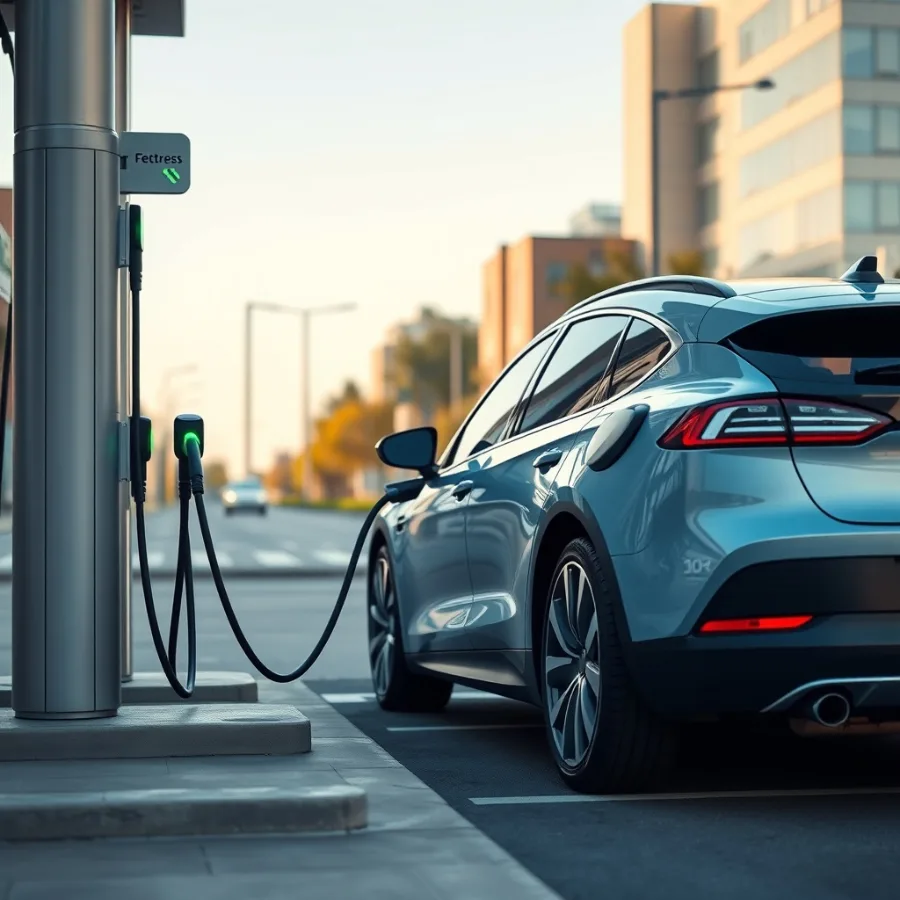
A good electric car charging stations map habit removes most road-trip uncertainty before it starts.
EV Range Anxiety FAQ
Is EV range anxiety justified in 2026?
Mostly not for daily driving – average daily distances use a small fraction of any modern EV’s range, and nightly home charging resets the buffer. The justified residue: charger reliability on road trips, towing, and drivers without any home or workplace charging.
What happens if an EV actually runs out of charge?
The car warns for dozens of kilometers, suggests chargers, then enters a reduced-power mode before stopping safely. Roadside services increasingly carry mobile DC boosters that add enough range to reach a charger. It is an avoidable inconvenience, not a danger.
How much range do I really need?
With home charging, 350-450 km rated covers commuting life with margin. Without it, prioritize fast-charging speed and local network coverage over maximum range. Reserve 500+ km packs for regular towing or genuinely remote driving.
Does range anxiety go away after buying an EV?
Survey after survey says yes, and quickly – typically within the first few months, as nightly charging becomes routine and the driver learns the car’s real consumption. Owner concerns shift to charger reliability and pricing instead.
How do I plan an EV road trip without stress?
Use a planner with live charger status, drive the 10-80% window, target stops at meals, and keep a 15-20% arrival buffer (more in winter or headwinds). One planned trip usually converts the last skeptics in the household.
Is winter range loss a reason to skip EVs in cold states?
No – it is a reason to buy a heat pump trim and plan at 70% of rated range in freezing weather. Norway, with real winters, leads the world in EV adoption; predictable loss is manageable loss.
Related Guides on ZeroCarbonDrive
- How to improve EV driving range — squeeze more from any pack
- EV battery performance in winter — the seasonal math
- EV charging stations guide — networks and reliability
Sources and Further Reading
Every figure on this page is dated and linked to its source. How we verify · Editorial policy · Report a correction
Related Posts


Leave a Comment
Your comment will be published after it has been approved. Please send comments that do not contain slang words.