
Drone Delivery in 2026: How It Works, Who Flies and Why It Matters
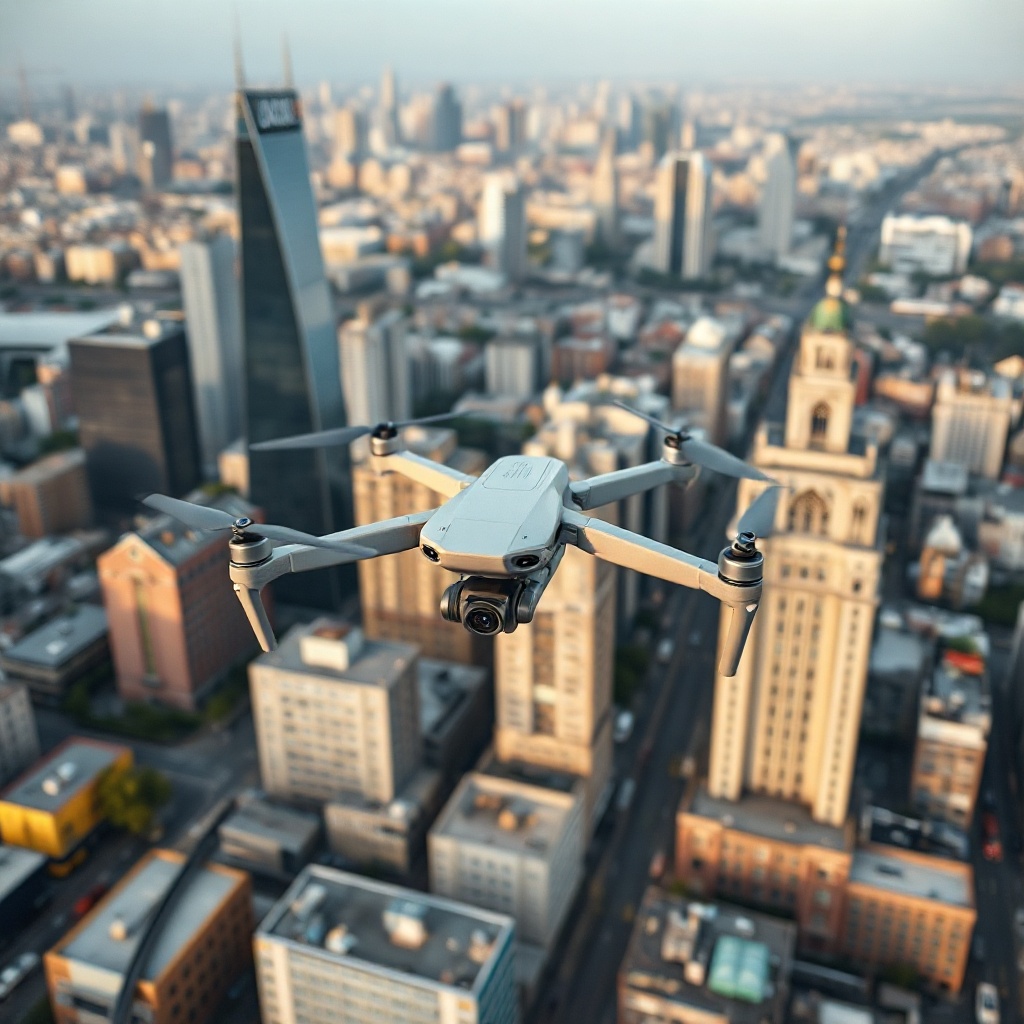
Updated September 18, 2026 · 7 min read
Last updated: September 1, 2026
Delivery drones sit alongside passenger air mobility: see our explainers on what eVTOL aircraft are and the rise of urban air mobility.
Quick answer: Drone delivery is no longer a pilot project. Zipline has passed a million commercial deliveries, Walmart runs the largest US retail drone network with Wing and Zipline, Amazon flies its MK30 beyond visual line of sight, and China operates at even larger scale. A typical electric delivery drone uses a small fraction of the energy a delivery van spends per package on short, light drops — but only in the right density and weather, which is why vans are not disappearing.
Key takeaways
- Drone delivery works today for packages under ~2.5 kg within roughly 10–16 km — medicine, meals and small e-commerce, not furniture.
- The regulatory dam is breaking: US beyond-visual-line-of-sight rules (the FAA Part 108 rulemaking) move approvals from one-off waivers to a standard process.
- Per package, an electric drone can use an order of magnitude less energy than a diesel van for scattered small deliveries — the climate case is real but conditional.
- Noise, weather limits and payload caps are the honest constraints; airspace integration is the long-term one.
What Drone Delivery Looks Like in 2026
Three operating models dominate, and none looks like the hovering-quadcopter stock photo:
| Model | How it delivers | Who uses it | Sweet spot |
|---|---|---|---|
| Fixed-wing with drop | Cruises like a small plane, parachute-drops the package | Zipline P1 | Long range, medical and rural |
| Hover-and-winch | Hovers 60–100 m up, lowers the package on a tether | Wing, Zipline P2, Amazon MK30 | Suburban yards, no landing needed |
| Dense-urban rooftop | Multirotor hops between rooftop hubs | Meituan and JD in Chinese cities | Meal delivery at extreme density |
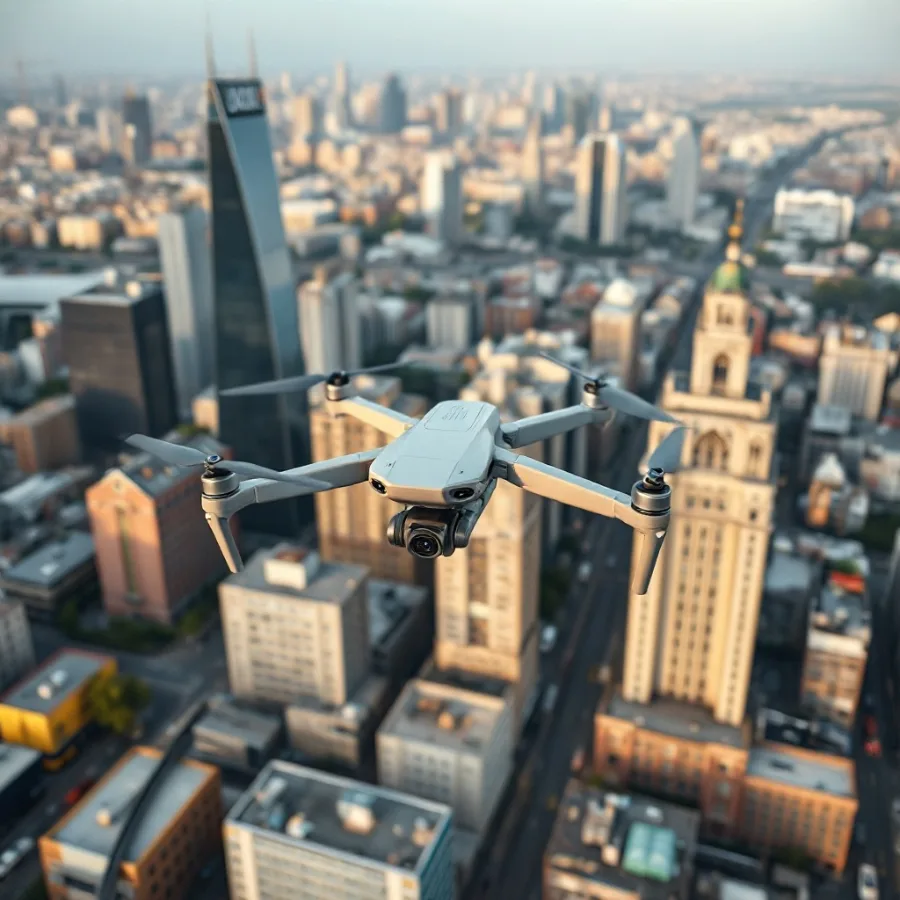
The scale is easy to underestimate. Zipline crossed one million commercial deliveries — years of blood, vaccine and retail drops across Rwanda, Ghana and US programs. Walmart made drone delivery a standing option around Dallas–Fort Worth through partnerships with Wing and Zipline. Amazon serves customers in Texas and Arizona under BVLOS authorization. Ireland’s Manna drops coffee and pharmacy orders in Dublin suburbs, proving the model outside the megacorps.
The Rules Finally Caught Up
For a decade the binding constraint was not the aircraft — it was that every flight legally needed a human watching it. That changed:
- BVLOS (beyond visual line of sight) operations were long granted only as case-by-case waivers. The FAA Part 108 rulemaking, proposed in 2025, converts this into a standard certification path — the single biggest unlock in drone delivery history.
- Remote ID — drones broadcasting identity and position — took effect in 2024, giving regulators the visibility layer that makes routine approvals defensible.
- Detect-and-avoid matured from ground radar to onboard acoustic and vision systems: the aircraft now sense other air traffic themselves.
The result: operators plan networks measured in hundreds of stores rather than single test sites. It is the same regulatory arc our eVTOL guide tracks for passenger aircraft — cargo simply moves first because nobody is on board.
The Energy and Climate Case
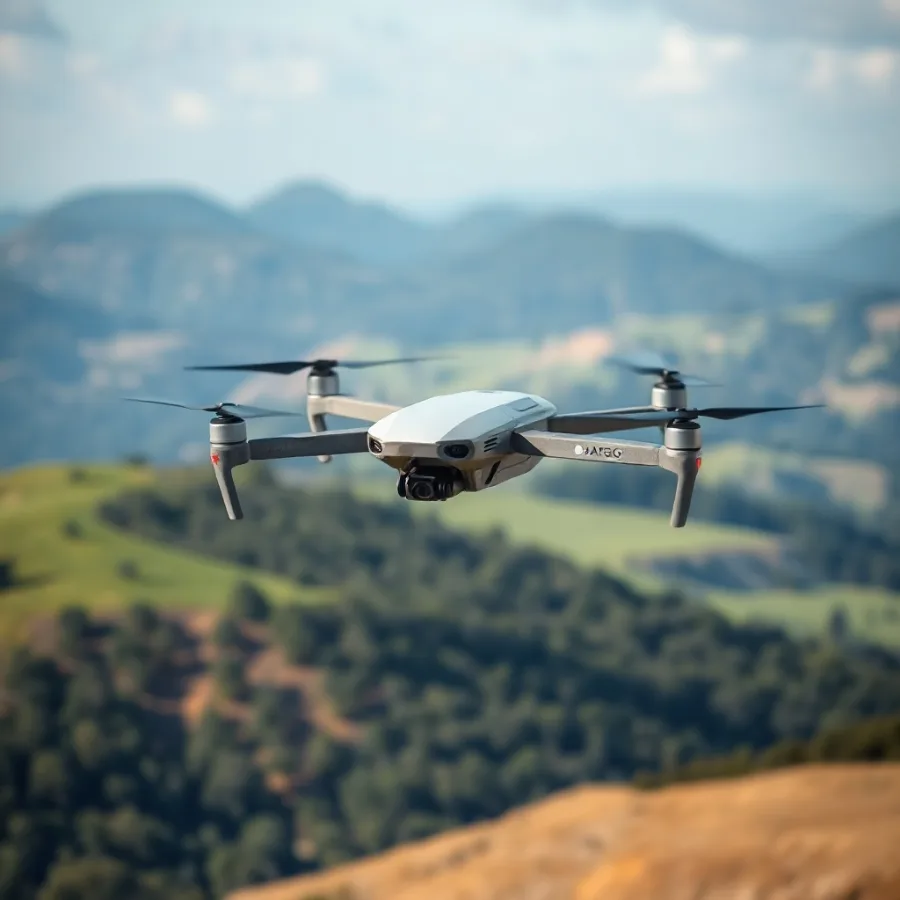
This site covers drone delivery for one reason: last-mile logistics is a stubborn emissions source, and small electric aircraft attack it from an unexpected angle. The physics:
- A drone hauling a 1–2 kg package burns watt-hours per kilometer; a diesel van burns hundreds — but the van carries ~100 packages. The comparison hinges on density and trip structure.
- Lifecycle studies consistently find drones win decisively for scattered, small, time-sensitive deliveries (a pharmacy run to one house), while full vans win dense routes (100 stops on one street). Real networks are hybrids.
- Because drones are electric, their footprint falls automatically as grids clean up — the same coupling covered in our charging and grid emissions guide.
- The biggest verified win is substituting urgent trips: a 5-minute drone flight replacing a 30-minute car round-trip for medicine is a 90%+ energy cut with better outcomes.
Honest caveat: corporate sustainability pages overstate per-package numbers by comparing a drone’s best case against a van’s worst. The defensible claim is narrower — for the right package profile, drone delivery is the lowest-energy mechanical delivery mode yet deployed.
The Economics: Why Retailers Keep Investing
| Cost driver | 2020 pilot era | 2026 reality | Direction |
|---|---|---|---|
| Flights per operator | 1 (visual observer per drone) | Many (one supervisor, many aircraft) | Falling fast |
| Aircraft | Hand-built prototypes | Production runs | Falling |
| Delivery radius | ~5 km | ~10–16 km typical | Growing |
| Per-delivery cost | Tens of dollars | Approaching single digits at scale | Falling |
The strategic logic for Walmart and Amazon is defensive as much as green: sub-30-minute delivery of small items is the one service local stores plus drones do better than centralized warehouses plus vans. That is why drone delivery announcements cluster around pharmacy, groceries and same-day essentials.
The Honest Obstacles
- Noise. The genuine community complaint. Newer aircraft cut it sharply — Amazon redesigned the MK30 around it; Wing flies high with brief descents — but siting hubs away from homes matters more than marketing decibel numbers.
- Weather. High winds, heavy rain and icing ground fleets. Texas networks fly far more days than a Buffalo network would — geography is destiny for availability.
- Payload ceiling. ~2.5 kg covers a remarkable share of e-commerce items, but nothing heavier; drone delivery complements vans, it does not replace them.
- Airspace integration. Hundreds of simultaneous low-altitude flights per city need automated traffic management. The frameworks exist; scaling them alongside urban air mobility traffic is the next decade of work.
- Public trust. Surveys keep showing support rises with exposure — people who have received a drone delivery like it; people who have only heard one overhead do not. The real product is quiet reliability.
What Ordering by Drone Actually Feels Like
The customer experience is mundane in the best way, and worth walking through because it answers most first-timer worries:
- You order in the retailer’s normal app. If your address sits inside a drone delivery zone and every item fits the weight cap, the drone option appears next to regular shipping — often with a delivery estimate under 30 minutes.
- A packer loads a standardized container. Weight and balance are checked automatically; the container clips under the aircraft or into its cargo bay.
- The flight plans itself. Route, altitude and a backup landing plan are computed before takeoff; a remote supervisor monitors a screenful of flights, intervening only on exceptions.
- Delivery without landing. The aircraft holds altitude — typically 60–100 meters — and winches the package to a spot you chose in the app: driveway, backyard, balcony edge. Fixed-wing systems drop with a small parachute instead.
- It leaves quietly. Total ground time is seconds; the drone climbs back to cruise and heads home to swap batteries.
Two details people rarely expect: you do not need to be home (the package waits like any porch drop), and the drone never films continuously — navigation cameras look for obstacles, and operators publish privacy policies because neighborhoods, reasonably, ask.
If you are outside today’s zones, the practical takeaway from this guide is patience rather than skepticism: coverage maps have grown every quarter since BVLOS approvals began, and pharmacy plus same-day essentials keep being the beachhead. Drone delivery is arriving the way home broadband did — suburb by suburb, boring and irreversible.
The passenger-carrying side of this race is tracked in our Joby Aviation vs Archer Aviation guide.
This fits into the wider future mobility picture — see our future mobility guide.
Drone Delivery FAQ
Is drone delivery actually available in the US?
Yes, in specific metros: Walmart offers it around Dallas-Fort Worth and other cities via Wing and Zipline, Amazon Prime Air serves areas of Texas and Arizona, and medical networks run in several states. Coverage expands city by city rather than nationally.
How heavy a package can a delivery drone carry?
Mainstream delivery drones carry roughly 1 to 2.5 kg – prescriptions, meals, small electronics, small grocery batches. Heavier items stay with vans; the drone handles the urgent small stuff that otherwise triggers an entire car trip.
Is drone delivery better for the climate?
For small, scattered, time-sensitive deliveries, clearly yes – an electric drone uses a small fraction of a van’s energy per package in that role, and it gets cleaner as the grid does. For dense multi-stop routes a full van remains more efficient per package.
What is BVLOS and why does it matter?
Beyond Visual Line of Sight – flying where no human observer can see the aircraft. It is the difference between a demo and a business: one supervisor overseeing many autonomous flights. The FAA Part 108 rulemaking standardizes these approvals in the US.
How do delivery drones avoid hitting things?
Layered systems: GPS corridors and geofencing for planning, broadcast Remote ID for visibility, and onboard detect-and-avoid – vision, acoustic or radar sensors that spot aircraft and obstacles and reroute automatically. Packages come down on winches or parachutes, so drones rarely land at homes.
Why did drone delivery take so long to arrive?
The aircraft were ready years before the rules were. Approving thousands of autonomous flights over people required Remote ID, proven detect-and-avoid and new certification frameworks – regulatory infrastructure that only matured in the mid-2020s.
Related Guides on ZeroCarbonDrive
- eVTOL aircraft — the passenger-carrying cousins clearing certification now
- Urban air mobility — the airspace these fleets will share
- Connected vehicles — the ground half of automated logistics
Sources and Further Reading
- FAA — Unmanned Aircraft Systems (Part 108, Remote ID, BVLOS)
- Zipline — operations and safety record
- Wing — delivery network updates
Every figure on this page is dated and linked to its source. How we verify · Editorial policy · Report a correction
Related Posts

Leave a Comment
Your comment will be published after it has been approved. Please send comments that do not contain slang words.