
diesel vs electric truck emissions
Updated September 2, 2026 · 2 min read
Diesel Truck Emissions
Diesel trucks are known for their high levels of nitrogen oxides (NOx) and particulate matter emissions, which contribute to air pollution and negative health effects. The combustion of diesel fuel releases greenhouse gases such as carbon dioxide (CO2) and methane, further exacerbating climate change.
- Particulate Matter (PM): Diesel trucks emit fine particles that can penetrate deep into the lungs, causing respiratory issues and cardiovascular problems.
- Nitrogen Oxides (NOx): NOx emissions from diesel trucks are a major contributor to smog formation and respiratory illnesses.
- Greenhouse Gas Emissions: Diesel combustion releases CO2 and methane, which trap heat in the atmosphere and contribute to global warming.
- Health Impacts: Exposure to diesel exhaust has been linked to asthma, lung cancer, and other serious health conditions.
For more information on car CO2 emissions, visit ZeroCarbonDrive.
Electric Truck Emissions
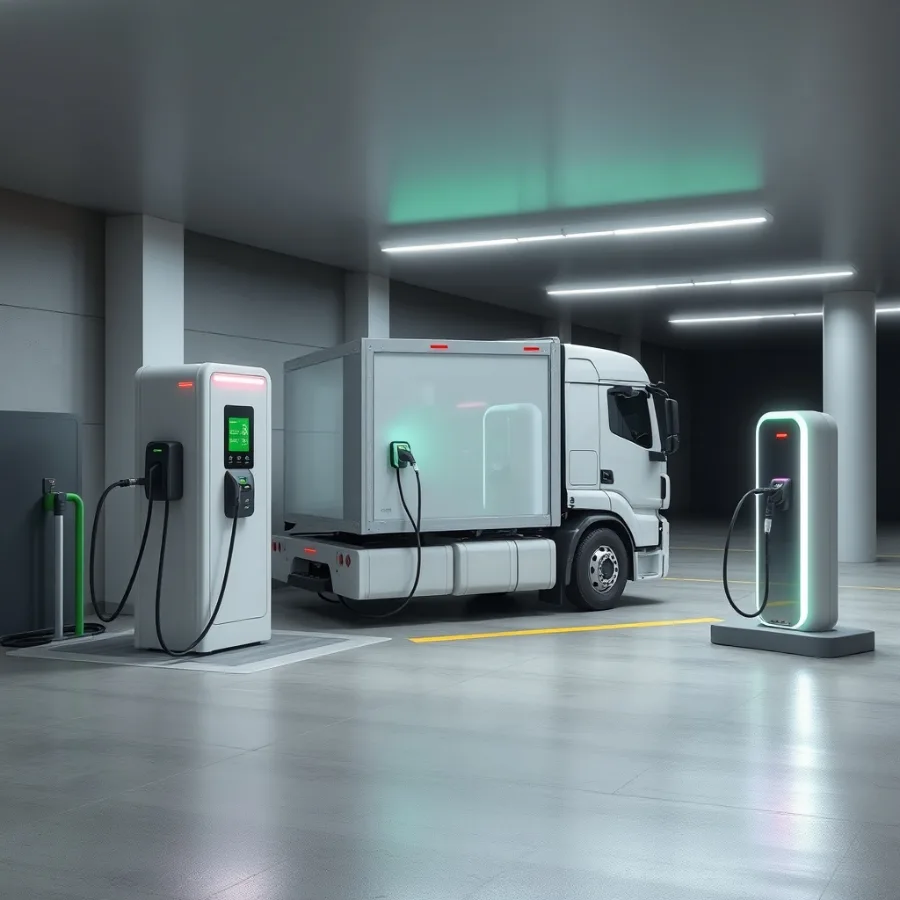
Electric trucks, on the other hand, produce zero tailpipe emissions, making them an attractive option for reducing air pollution and greenhouse gas emissions. By utilizing electricity from renewable sources, electric trucks can operate with minimal environmental impact.
- Zero Tailpipe Emissions: Electric trucks do not emit harmful pollutants directly into the air, improving local air quality and public health.
- Renewable Energy Integration: Charging electric trucks with renewable energy sources further reduces their carbon footprint and reliance on fossil fuels.
- No Noise Pollution: Electric trucks operate quietly, reducing noise pollution in urban areas and improving quality of life for residents.
- Energy Efficiency: Electric trucks are more energy-efficient than diesel counterparts, leading to lower operating costs and reduced resource consumption.
To learn more about smart traffic systems, visit ZeroCarbonDrive.
Comparison in Different World Regions
- US: The US is seeing a growing shift towards electric trucks, driven by federal incentives and state regulations promoting clean energy vehicles.
- EU: European countries are leading the way in electric truck adoption, with stringent emissions standards and ambitious sustainability goals.
- China: China has invested heavily in electric vehicle infrastructure, aiming to reduce pollution and dependence on imported oil.
- India: India is exploring electric truck solutions to address urban air quality issues and reduce greenhouse gas emissions.
| Diesel Trucks | Electric Trucks | Winner |
|---|---|---|
| High emissions, air pollution, health impacts | Zero tailpipe emissions, energy efficiency | Electric Trucks |
Related guides: Diesel Car CO2 Emissions, Electric Truck Charging and Electric Truck TCO Guide.
Frequently Asked Questions
Are electric trucks more expensive than diesel trucks?
While electric trucks may have a higher upfront cost, they often offer lower operating expenses and long-term savings due to lower fuel and maintenance costs.
Do electric trucks have the same range as diesel trucks?
The range of electric trucks is improving rapidly with advancements in battery technology, making them suitable for various transportation needs.
How do government policies impact the adoption of electric trucks?
Government incentives, subsidies, and regulations play a significant role in promoting the adoption of electric trucks and reducing emissions in the transportation sector.
What are the environmental benefits of transitioning to electric trucks?
Switching to electric trucks can significantly reduce air pollution, greenhouse gas emissions, and dependence on fossil fuels, leading to a cleaner and more sustainable transportation system.
TAGS: diesel vs electric truck emissions, environmental impact, transportation industry, sustainability, energy efficiency
Sources and Further Reading
Related Posts

Leave a Comment
Your comment will be published after it has been approved. Please send comments that do not contain slang words.