
Smart Charging Solutions (2026): Apps, Hardware and Utility Programs
Updated September 2, 2026 · 5 min read
Last updated: September 1, 2026
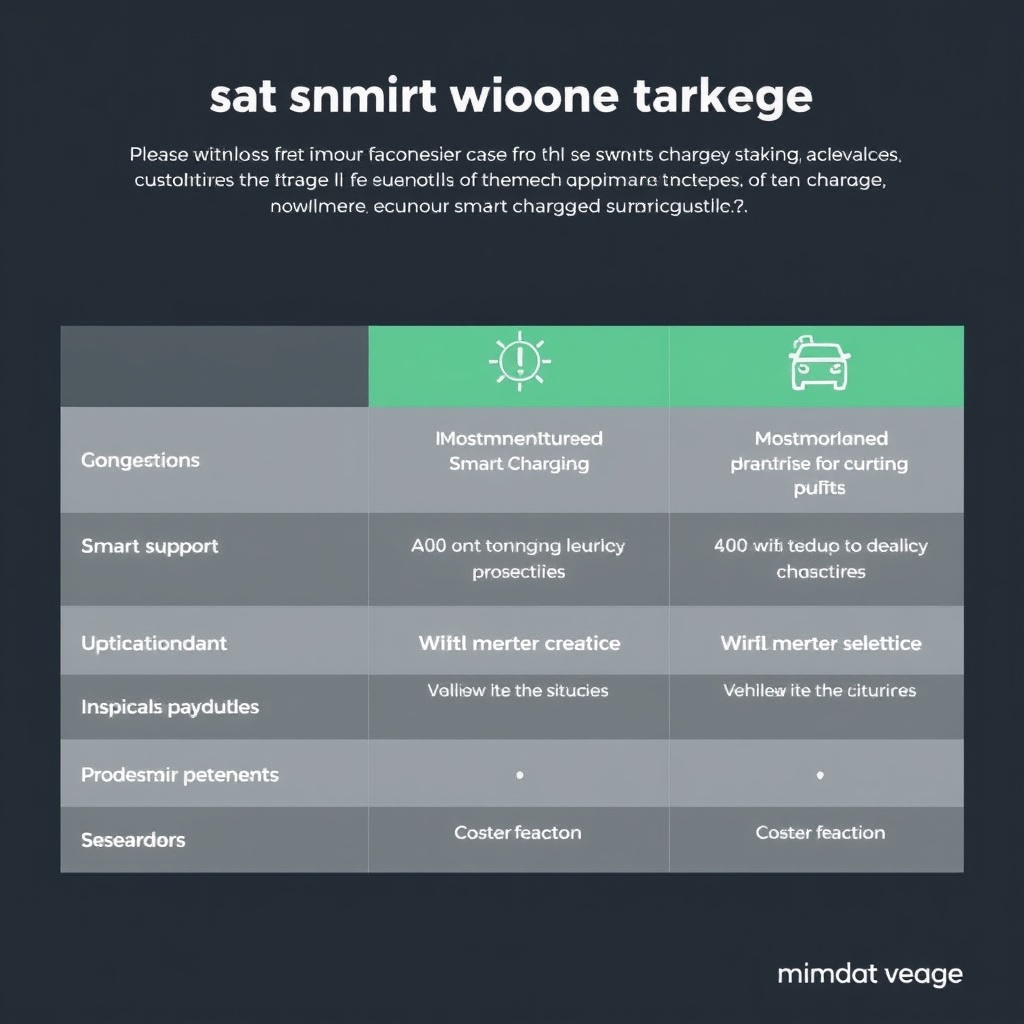
Quick answer: Smart charging solutions automate WHEN and how fast an EV charges — shifting sessions to cheap, clean overnight hours, capping home demand so the panel does not trip, and increasingly letting utilities nudge (never force) thousands of cars at once to balance the grid. The three layers to know: your car’s own scheduling, your charger’s smart features (load management, app control), and utility managed-charging programs that pay you to opt in.
Key takeaways
- The cheapest smart charging solution is often free: your car’s own app-based schedule tied to a time-of-use electricity plan.
- Load-managing chargers let multiple EVs or a car-plus-appliances share one panel without an expensive electrical upgrade.
- Utility managed-charging programs pay $25-150+/year for the right to nudge your charging window — you keep full control, they just influence timing.
- Vehicle-to-grid (V2G) — the car discharging back to the grid or home — is the most advanced layer, still limited to specific hardware and pilot programs.
Layer 1: Your Car’s Built-In Smart Charging Solutions
Every modern EV ships with scheduling software that costs nothing extra:
- Departure-time scheduling. Set when you need the car ready; it works backward, charging in the cheapest or greenest window that still hits the deadline.
- Charge-limit control. Cap daily charging at 80% and reserve 100% for trips — protects the battery and avoids paying peak rates for the top 20% you rarely need urgently.
- Preconditioning tied to departure. Cabin and battery warm on wall power right before you leave — covered in depth in our winter battery guide.
For most owners on a time-of-use electricity plan, this single free layer captures most of the available savings — see the rate math in our EV charging cost by state guide.
Layer 2: Smart Chargers and Load Management
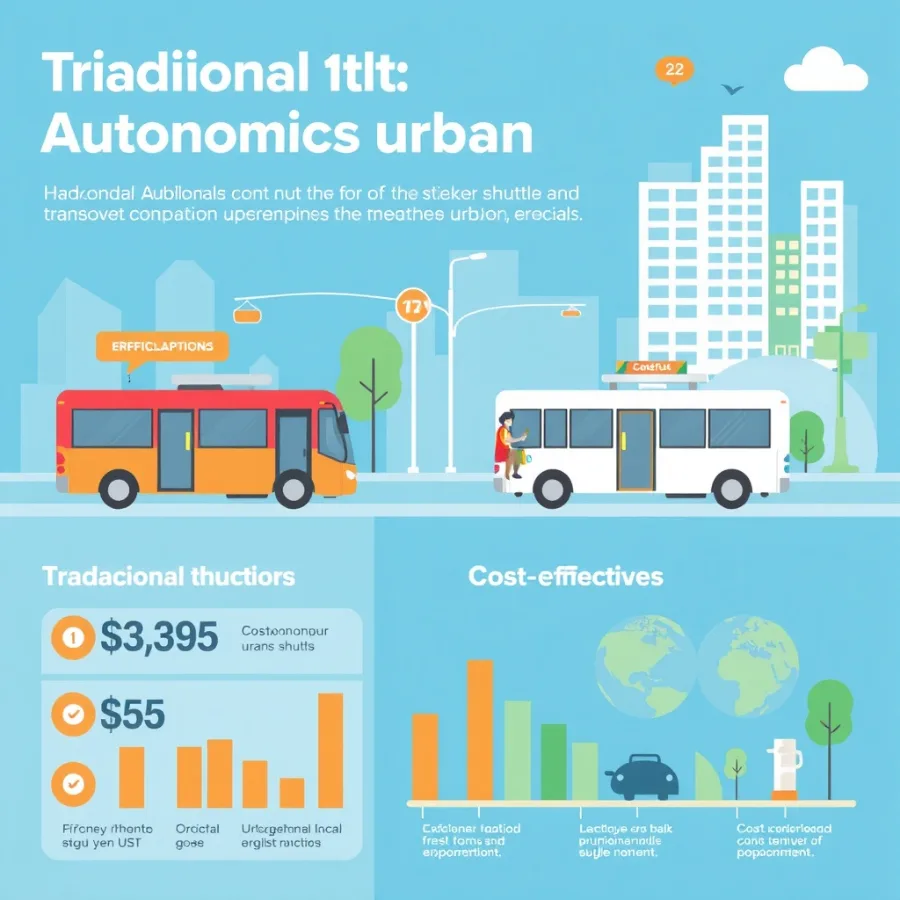
| Feature | What it solves | Who needs it |
|---|---|---|
| App control and scheduling | Same as car scheduling, but works on any EV brand | Multi-brand households, older EVs without great native apps |
| Dynamic load management | Shares a limited electrical panel between the charger and the house (or multiple chargers) | Older homes, multi-EV households, avoiding a panel upgrade |
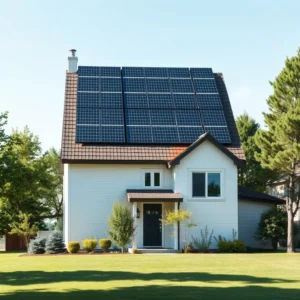
| Solar-aware charging | Charges preferentially from excess solar production | Homes with rooftop solar |
| Energy monitoring | Shows real cost and carbon intensity per session | Cost-conscious or sustainability-focused owners |
Load management deserves special mention: it is often the smart charging solution that saves the most money up front, because it can eliminate a $2,000-5,000 panel upgrade by intelligently capping the charger’s draw whenever the house needs the headroom — real installer pricing is in our installation cost guide.
Layer 3: Utility Managed-Charging Programs
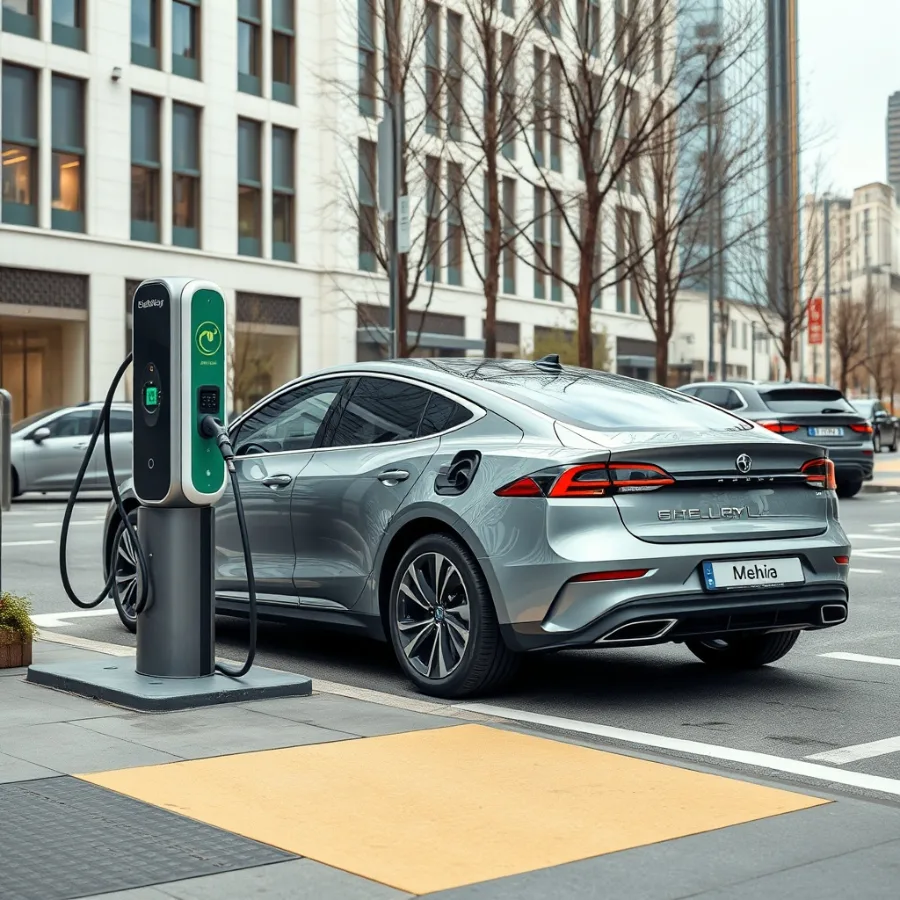
A growing number of US utilities pay customers to enroll EVs in managed-charging programs — the utility gets flexible demand to balance the grid; the owner gets a rebate or bill credit, typically ranging from a modest signup bonus to $100+ annually, plus ongoing per-event or monthly payments on the richer programs. Two designs dominate:
- Rate-based (TOU/EV rate). You simply pay less to charge overnight — no direct utility control, just financial incentive doing the work.
- Direct-enrollment programs. The utility (through your car or charger’s app) can delay or briefly pause charging during system stress, almost always with an owner override and a guaranteed-ready-by-time honored regardless.
The honest pitch to skeptics: these are opt-in, reversible, and rarely noticeable — your car still charges overnight, just with its exact minute-by-minute pattern nudged by grid conditions you would not have chosen differently anyway. Search “[your utility] EV charging program” — enrollment often takes under ten minutes and stacks with any TOU rate you are already on.
Layer 4: Vehicle-to-Grid and Vehicle-to-Home
The frontier layer flips the flow: the car’s battery discharges back into the home (V2H) during an outage or peak pricing, or into the grid itself (V2G) for a payment. This requires bidirectional-capable hardware — a specific charger plus a compatible vehicle — and remains limited to a growing but still small list of models and pilot utility programs. Where available, V2H functions essentially as a whole-home battery backup that happens to have wheels; V2G proper (selling power back at scale) remains mostly in demonstration projects as of 2026, held back by hardware cost and utility interconnection rules more than by the underlying technology.
Choosing What You Actually Need
- Start with Layer 1 — it is free. Set a departure schedule and a TOU rate before spending on anything.
- Add Layer 2 if your panel is tight or you are installing multiple chargers — load management can be cheaper than an electrical upgrade.
- Enroll in Layer 3 if your utility offers it — it is close to free money for accepting a nudge you would barely notice.
- Consider Layer 4 only for specific needs — serious backup-power requirements or a strong sustainability commitment, given the current cost and hardware constraints.
The same battery-buffering principle scales up to airports — see our Tesla Megapack aviation charging guide.
Operators managing multiple sites face this at scale — see our EV charging station business guide for the full economics.
Pair automated scheduling with a real clean sourcing plan — see our clean energy charging guide.
Smart Charging Solutions FAQ
What are smart charging solutions for EVs?
Technology and programs that automate when and how fast an EV charges: your car’s own scheduling, smart chargers with load management, utility managed-charging programs, and advanced vehicle-to-grid systems. Most owners benefit from the first layer alone, which is free.
Do I need to buy a smart charger?
Not necessarily – most EVs already schedule charging through their own app. A dedicated smart charger adds value mainly for load management (sharing a limited panel) or multi-brand households needing one control app.
Are utility smart charging programs worth it?
Usually yes – they pay for a minor, reversible nudge to your charging schedule that you likely would not notice, often stacking with time-of-use rate savings. Check your utility’s website for an EV program before assuming none exists.
What is vehicle-to-grid (V2G) charging?
A system where the EV battery can discharge power back to the grid or home, effectively turning the car into a battery. It requires specific bidirectional hardware and a compatible vehicle, and remains limited mostly to pilot programs and a growing list of supported models as of 2026.
Can smart charging solutions avoid a panel upgrade?
Often yes – dynamic load management chargers cap the charger’s draw based on real-time household demand, which can eliminate the need for a costly electrical panel upgrade in older homes or multi-EV households.
Do smart charging programs let the utility take control of my car?
No – reputable programs are opt-in with owner overrides and a guaranteed ready-by time. The utility can nudge timing within limits you set, not seize control of your vehicle.
Related Guides on ZeroCarbonDrive
- EV charging cost by state — the rates smart scheduling saves you on
- Level 2 EV charger guide — the hardware smart features build on
- Connected vehicles — the broader V2X technology behind grid coordination
Sources and Further Reading
Related Posts

Leave a Comment
Your comment will be published after it has been approved. Please send comments that do not contain slang words.