
How to Improve EV Driving Range (2026): Free Habits First
Updated September 18, 2026 · 6 min read
Last updated: September 6, 2026
Quick answer: The fastest ways to improve EV driving range cost nothing: slow from 120 to 105 km/h on highways (worth roughly 10–15%), keep tires at spec pressure, precondition while plugged in, use seat heaters instead of cabin heat, and strip the roof box you forgot was there. Stack the free habits and most drivers recover 15–25% of real-world range — more in winter — without buying anything.
Key takeaways
- Speed is the range king: aerodynamic drag rises with the square of velocity, so the last 15 km/h on the highway are the most expensive.
- EV driving range responds to habits far more than gadgets — the accessories aisle cannot beat a lighter right foot.
- Regeneration recovers energy but coasting avoids spending it — anticipation beats one-pedal enthusiasm.
- Know the big four drains: speed, temperature, tires, and anything that ruins airflow.
What Actually Determines EV Driving Range
Every kilometer of EV driving range is a budget line in a simple energy ledger — battery kWh divided by consumption per km. You cannot cheaply change the numerator, so improvement means attacking the consumers:
| Energy consumer | Share of highway consumption (typical) | Your leverage |
|---|---|---|
| Aerodynamic drag | Largest above ~80 km/h | Speed choice, remove racks/boxes, windows up at speed |
| Rolling resistance | Second at speed, first in town | Tire pressure, tire choice, alignment |
| Climate control | 0–30%+ depending on season | Preconditioning, seat heat, heat pump trim |
| Drivetrain losses | Small (EVs are ~90% efficient) | Little — already excellent |
| Accessories | Small | Negligible worry |
The Free Improvements, Ranked by Payoff
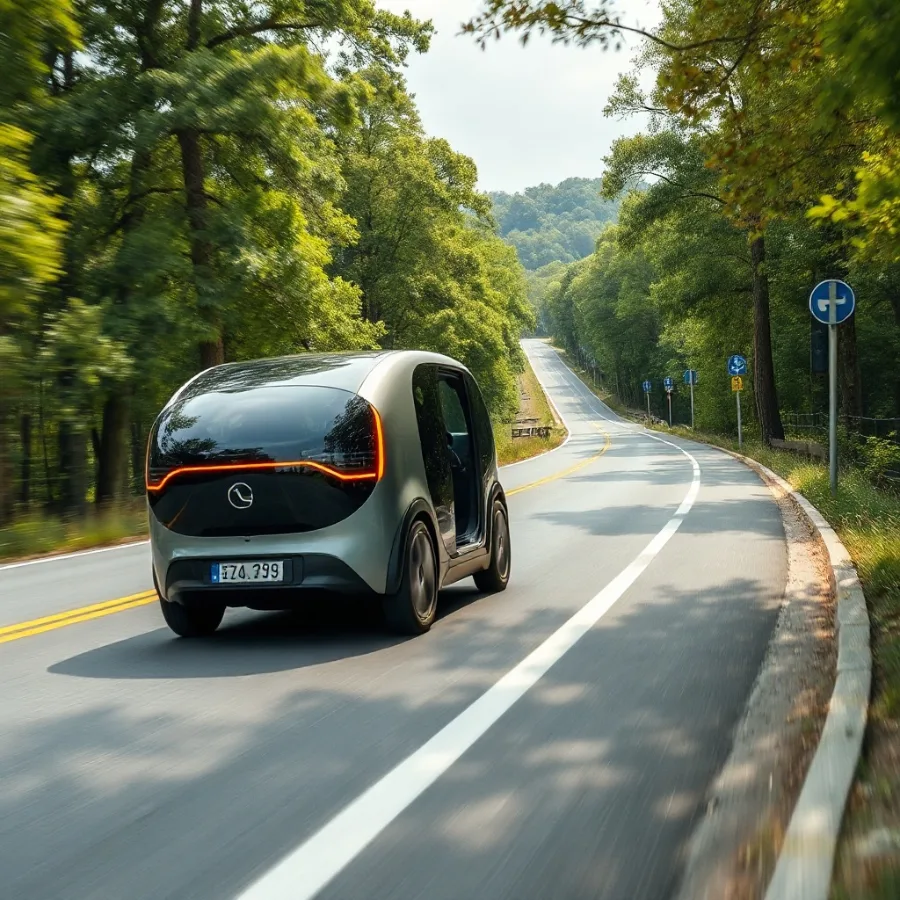
- Drop highway speed 10–15 km/h. Drag grows with speed squared: cruising at 105 instead of 120 typically buys 10–15% more EV driving range. On a marginal trip, this single habit is the difference between charging and not.
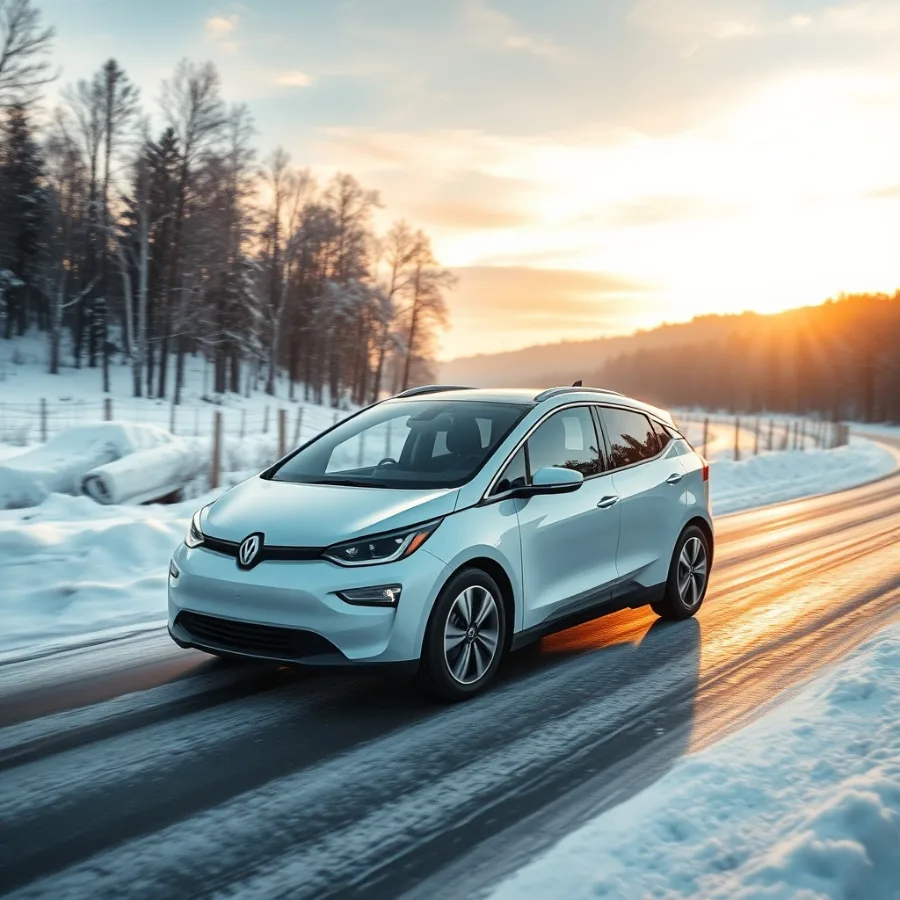
- Precondition on wall power. Heating or cooling the cabin before unplugging moves that energy onto the grid — worth a large slice of winter losses; the details live in our winter battery guide.
- Heat bodies, not air. Seat and wheel heaters draw ~1% of what cabin heat does. Cabin at 18–19°C plus warm seats is the efficient comfort recipe.
- Check tire pressures monthly. A few PSI low quietly costs several percent, and pressure falls with every cold snap. The door-jamb number, not the tire’s max, is the target.
- Anticipate instead of regenerating. Regen recovers maybe 70% of the energy braking dissipates; coasting spends nothing. Reading traffic two lights ahead beats aggressive one-pedal driving.
- Undress the car. Roof boxes can cost 15–25% at highway speed; even empty crossbars and open windows measurably hurt. Weight matters far less than air — a passenger costs little, a kayak costs plenty.
- Use eco mode honestly. Its real trick is softening throttle response and capping climate draw — modest gains, zero cost, and it makes habit #5 automatic.
The Paid Improvements (and Which to Skip)
- Worth it: efficiency-rated tires at replacement time. When the originals wear out, choosing the low-rolling-resistance model the car shipped with (rather than the cheaper generic) preserves several percent of EV driving range for a modest premium.
- Worth it: a heat pump trim, bought upfront. Roughly 10% better winter retention in fleet data — the one spec-sheet line that pays range dividends every cold day.
- Situational: aero wheel covers. The manufacturer’s covers exist because they work (a few percent at speed); aftermarket ones vary from real to cosmetic.
- Skip: fuel-line magnets reborn. The EV accessories market has its snake oil — voltage stabilizers, “range chips”, spray coatings. If a $30 gadget improved range, the manufacturer chasing EPA numbers would have fitted it at the factory.
Reading Your Own Numbers (the Ten-Minute Skill)
Every EV shows consumption (kWh/100km or mi/kWh). The skill that beats every listicle: drive your three routine routes once while watching it — commute, school run, highway stretch. You will learn your car’s honest baseline, see exactly what cold mornings or 120 km/h cost YOU, and stop arguing with the guess-o-meter. From there, planning is arithmetic (route kWh = distance × your number), the same arithmetic our charging time guide runs from the plug side. Owners who do this once report the whole subject of EV driving range shrinking from anxiety to trivia — which is the actual goal; the psychology is covered in our range anxiety guide. For the baseline, the EPA label range and efficiency of every 2026 EV are in our longest range electric cars ranking.
A Worked Example: Same Car, 34% Apart
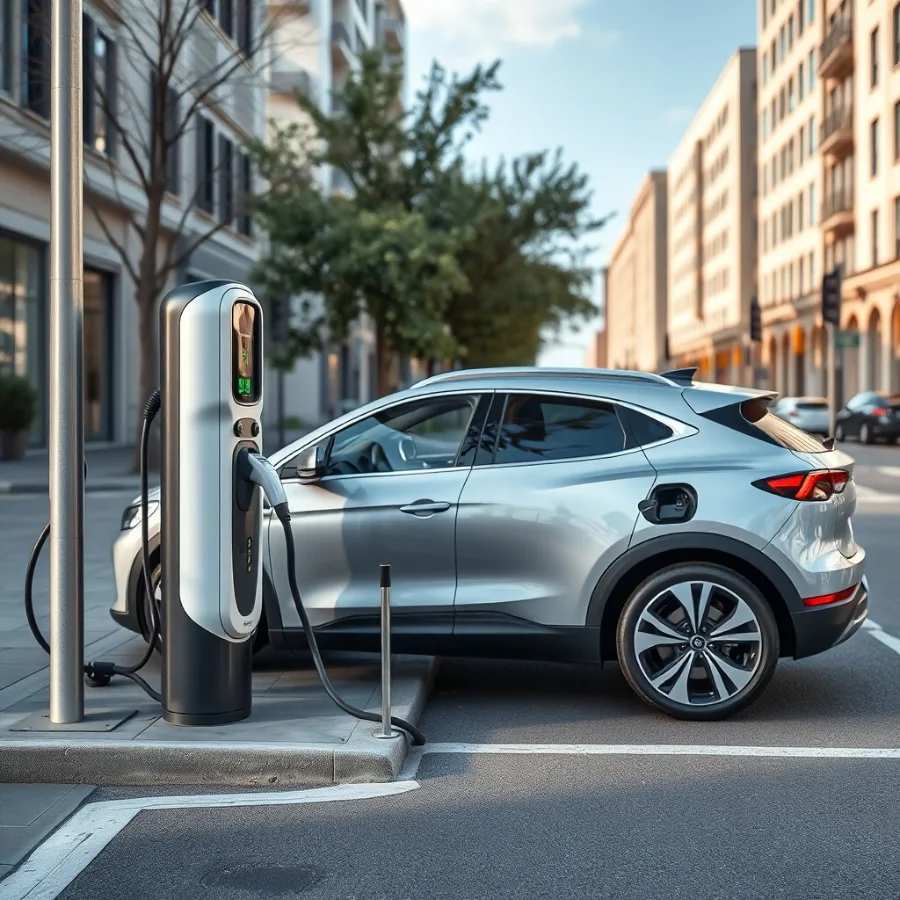
To make the stakes concrete, here is one 75 kWh crossover on the same 300 km route, driven two ways:
| Driver A (defaults) | Driver B (the free habits) | |
|---|---|---|
| Highway speed | 120–125 km/h | 105 km/h in the right lane |
| Climate | 22°C cabin, no preconditioning | Preconditioned + 18°C and seat heat |
| Tires | 4 PSI low since autumn | At spec, checked monthly |
| Roof | Empty crossbars still fitted | Bare roof |
| Consumption | ~23 kWh/100km | ~17 kWh/100km |
| Effective EV driving range | ~325 km | ~440 km |
| Charging stops on the route | 1 (with buffer nerves) | 0 |
Same battery, same badge, 34% more EV driving range and one fewer stop — from choices that cost Driver B nothing but 12 minutes of extra travel time, most of which the skipped charging stop refunds. This is the honest headline of the whole subject: the biggest range upgrade available in 2026 is not a new model year. It is the driver.
What NOT to Do for Range
- Do not hypermile in traffic. Crawling at 70 on a 110 highway endangers people to save cents. The socially acceptable version is the right lane at the speed limit minus a notch.
- Do not obsess below 90% charge. Skipping the last 10% daily is good for the battery anyway; chasing 2% efficiency gains with route gymnastics wastes life, not electrons.
- Do not disable safety or comfort systems chasing watt-hours — the gains are noise next to speed and temperature.
- Do not buy range you will never use. The cheapest range upgrade is honest self-knowledge at purchase time: the money saved on a right-sized pack buys years of electricity — see the sizing logic in our cheapest EVs guide.
This is one of the free efficiency habits — see our regenerative braking guide for how it works and how to use it well.
EV Driving Range FAQ
What single change improves EV driving range the most?
Highway speed. Aerodynamic drag rises with the square of speed, so easing from 120 to 105 km/h typically recovers 10-15% of range – more than any accessory. In winter, preconditioning while plugged in competes for first place.
Does one-pedal driving increase range?
Slightly, but anticipation beats it: regeneration recovers roughly 70% of braking energy while coasting spends none. The efficient style is reading traffic early and braking little, whichever pedal mode achieves that for you.
How much range do roof boxes and racks cost?
At highway speed a loaded roof box commonly costs 15-25% of EV driving range, and even empty crossbars measurably hurt. Air resistance, not weight, is the enemy – remove aero clutter the day the trip ends.
Do eco tires really matter for EVs?
Yes – rolling resistance is the second-largest consumer at speed. Replacing worn originals with the low-rolling-resistance model specified by the manufacturer preserves several percent of range versus generic replacements, for a modest premium.
Why is my real range lower than the window sticker?
Ratings come from standardized cycles gentler than real highways, winters and hills. Real-world range 10-20% under rating is normal, more in deep cold. Learn your own kWh/100km on routine routes and the sticker stops mattering.
Do range-boosting gadgets work?
No. Voltage stabilizers, range chips and coatings are the fuel-line magnets of the EV era. Every legitimate efficiency trick is either already built in by manufacturers chasing official ratings, or is a habit – speed, pressure, preconditioning – not a product.
Related Guides on ZeroCarbonDrive
- EV range anxiety — the psychology these habits dissolve
- Winter battery guide — the cold-season chapter of this playbook
- Charging time guide — the other half of trip math
Sources and Further Reading
Every figure on this page is dated and linked to its source. How we verify · Editorial policy · Report a correction
Related Posts
Leave a Comment
Your comment will be published after it has been approved. Please send comments that do not contain slang words.