
Electric Aviation Future

Updated September 2, 2026 · 7 min read
Electric Aviation Future Is Redefining the Next Era of Global Transportation
Electric aviation future discussions are no longer limited to experimental aerospace startups and futuristic concept renderings. During aviation and mobility conferences in Paris, Dubai, Singapore, and California throughout the past two years, airlines, infrastructure developers, battery manufacturers, and government regulators have increasingly treated electric aviation as a serious long-term transportation sector rather than a speculative technology experiment.
At the same time, the industry is facing enormous pressure. Commercial aviation remains one of the most difficult sectors to decarbonize because modern aircraft require extremely high energy density, operational reliability, and global infrastructure coordination. Sustainable aviation fuel alone may not fully solve long-term emissions challenges. This reality is accelerating investment into electric aircraft systems, hybrid-electric propulsion, battery innovation, lightweight aerospace materials, and distributed propulsion technologies.
Still, the future of electric aviation is far more complex than many optimistic forecasts suggest. Battery limitations, charging infrastructure requirements, certification barriers, thermal management challenges, airport grid capacity, and commercialization timelines continue slowing large-scale deployment. The next decade will likely determine whether electric aviation evolves into a transformative transportation sector or remains limited to regional niche applications.
Why Electric Aviation Is Becoming a Global Priority
Commercial aviation contributes significantly to global transportation emissions.
Air travel demand continues increasing because of:
- Population growth
- Global tourism expansion
- Business mobility
- E-commerce logistics
- Urbanization
- International trade
At the same time, governments and aviation regulators are facing mounting pressure to reduce carbon emissions without disrupting global mobility systems.
Traditional jet fuel remains highly energy-dense and operationally reliable, but it also creates major long-term decarbonization challenges.
Electric aviation is increasingly viewed as one potential pathway toward lower-emission regional transportation infrastructure.
However, fully electrifying aviation is far more difficult than electrifying passenger vehicles because aircraft face strict weight, safety, and energy constraints.
How Electric Aircraft Actually Work
Electric aircraft replace traditional combustion-based propulsion systems with electrically powered motors.
Modern electric aviation systems typically combine:
- Battery energy storage
- Electric propulsion motors
- Power electronics
- Thermal management systems
- Lightweight aerospace materials
- Distributed propulsion systems
Some aircraft rely entirely on battery-electric systems while others use hybrid-electric architectures combining batteries with conventional fuel-powered systems.
Distributed propulsion is becoming especially important because multiple smaller electric motors can improve aerodynamic efficiency while reducing noise levels.
Several electric aviation companies are also integrating advanced lightweight materials discussed in Sustainable Space Materials research to reduce aircraft weight and improve energy efficiency.
Battery Technology Remains the Largest Limitation
Battery energy density remains the single largest obstacle preventing large-scale commercial electric aviation deployment.
Modern lithium-ion batteries still store significantly less energy per kilogram compared to traditional jet fuel.
This creates major operational limitations involving:
- Flight range
- Passenger capacity
- Cargo capability
- Operational flexibility
- Weight management
Even though electric motors are highly efficient, batteries remain extremely heavy relative to aviation energy requirements.
Current battery systems are generally more suitable for:
- Short regional flights
- Urban air mobility
- eVTOL aircraft
- Pilot training aircraft
- Cargo drones
Long-haul electric commercial aviation remains technologically unrealistic under current battery chemistry limitations.
Research involving How Battery Technology Is Transforming Electric Flight continues focusing heavily on solid-state batteries, lithium metal systems, and thermal optimization improvements.
Electric Aviation Infrastructure Challenges Are Massive
One issue often underestimated in public discussions is airport infrastructure.
Large-scale electric aviation would require enormous upgrades involving:
- Airport grid capacity
- Megawatt charging systems
- Battery storage infrastructure
- Cooling systems
- Electrical safety systems
- Charging coordination software
Several regional airports already face electricity infrastructure limitations.
If electric aircraft adoption accelerates rapidly, airports may require substantial utility upgrades similar to industrial manufacturing facilities.
Fast aircraft charging could create major peak-load stress for local electricity grids, especially during simultaneous aircraft turnaround operations.
This explains why some aviation infrastructure planners are increasingly studying:
- Renewable airport microgrids
- On-site solar generation
- Grid-scale battery storage
- Smart energy management systems
- Hydrogen-assisted aviation systems
Regional Electric Aviation Development Trends
United States
The United States remains one of the leading electric aviation innovation markets.
Major investment is flowing into:
- eVTOL startups
- Regional electric aircraft
- Battery aviation research
- Urban air mobility systems
- Defense aviation electrification
California and Texas continue attracting large amounts of electric aviation infrastructure investment because of strong aerospace ecosystems and venture capital activity.
Europe
Europe is aggressively pursuing aviation decarbonization because of climate policy targets and strong regulatory pressure.
Several European governments are supporting:
- Hybrid-electric aircraft research
- Sustainable aviation fuel programs
- Electric propulsion testing
- Regional airport electrification
France, Germany, and the Nordic countries remain among the strongest electric aviation development regions.
China
China is rapidly expanding advanced battery manufacturing and electric mobility infrastructure.
The country’s battery supply chain dominance gives it major strategic advantages in future electric aviation development.
Chinese companies are increasingly investing in:
- eVTOL systems
- Autonomous aviation
- Battery research
- Electric aerospace manufacturing
Middle East
Several Gulf countries are positioning themselves as future mobility hubs.
Dubai and Abu Dhabi continue investing heavily into:
- Urban air mobility
- Smart transportation systems
- Sustainable airport infrastructure
- Advanced aviation technology
High temperatures, however, create additional thermal management challenges for battery systems and electric propulsion infrastructure.
Australia
Australia’s large geographic distances create unique opportunities for regional electric aviation, especially in remote transportation networks.
Several analysts believe short-distance regional electric flights could become commercially viable sooner in isolated transportation markets.
eVTOL Aircraft Are Expanding Rapidly
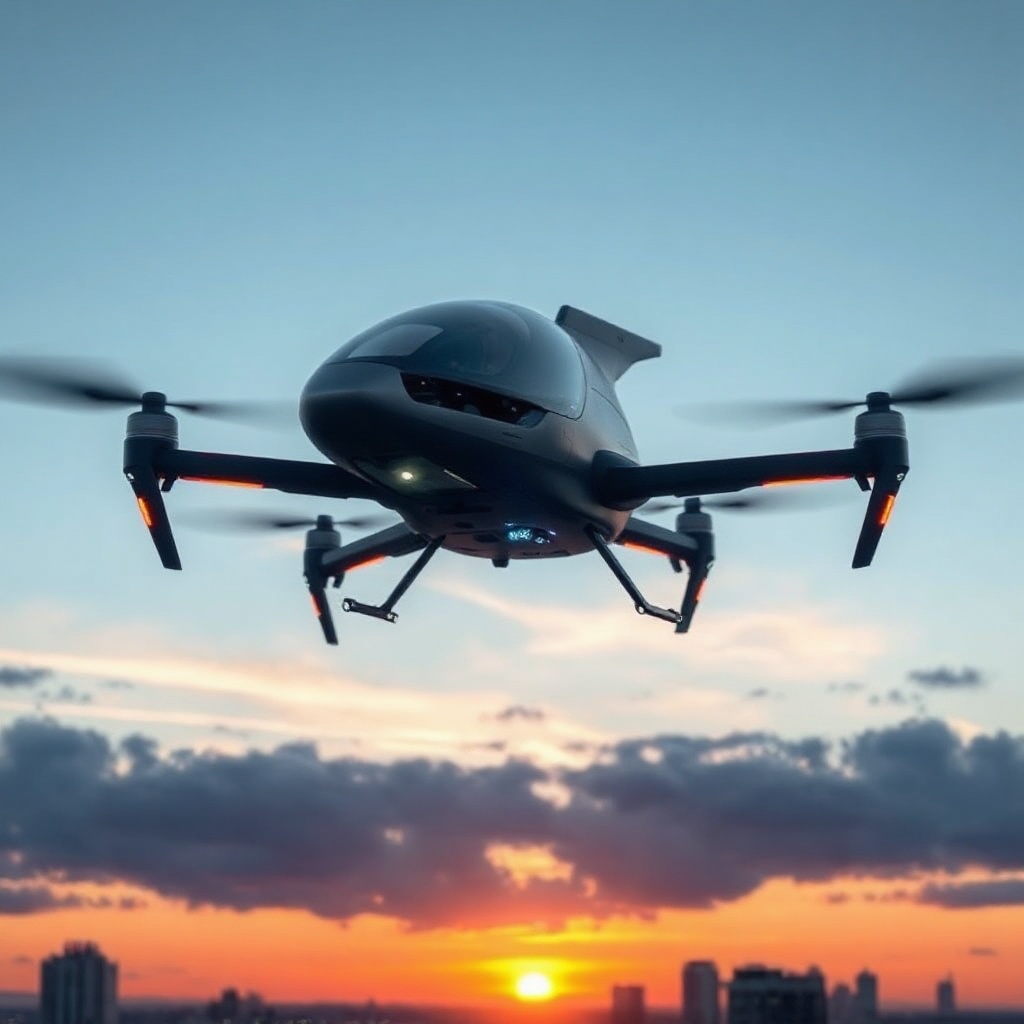
Electric vertical takeoff and landing aircraft are becoming one of the fastest-growing areas within future mobility investment.
eVTOL systems aim to provide:
- Urban air transport
- Airport mobility
- Short-distance regional travel
- Emergency medical transport
- Autonomous aerial logistics
Several major automakers, aerospace companies, and technology firms are investing heavily into eVTOL development.
Still, commercialization barriers remain significant.
Major challenges include:
- Air traffic regulation
- Battery range limitations
- Noise management
- Certification complexity
- Public safety concerns
- Infrastructure scalability
Many mobility analysts now believe urban air mobility adoption will initially expand slowly through tightly controlled pilot programs rather than mass-market deployment.
Hydrogen Aviation Is Also Competing for the Future
Hydrogen propulsion remains one of the strongest alternative competitors to battery-electric aviation.
Hydrogen offers several theoretical advantages:
- Higher energy density
- Longer flight range
- Lower aircraft weight
- Faster refueling potential
Still, hydrogen aviation infrastructure faces serious challenges involving:
- Cryogenic storage
- Fuel transport logistics
- Airport infrastructure cost
- Production scalability
- Energy conversion efficiency
Several industry analysts now expect future aviation to become a mixed ecosystem combining:
- Battery-electric aircraft
- Hybrid-electric systems
- Hydrogen propulsion
- Sustainable aviation fuels
Airlines and Investors Are Watching Carefully
Major airlines are increasingly investing in electric aviation startups despite long commercialization timelines.
Investors are attracted by potential advantages such as:
- Lower fuel costs
- Reduced maintenance complexity
- Lower emissions exposure
- Future regulatory compliance
- Urban mobility opportunities
Electric propulsion systems may eventually reduce maintenance costs because electric motors contain fewer moving components compared to traditional jet engines.
However, investor caution remains high because profitability timelines remain uncertain.
Certification requirements within aviation remain among the strictest in any transportation sector globally.
Comparison Table: Future Aviation Propulsion Systems
| Technology | Main Advantage | Primary Limitation |
| Battery-Electric Aviation | Low operational emissions | Battery energy density |
| Hybrid-Electric Aircraft | Extended operational range | System complexity |
| Hydrogen Aviation | Potential long-range capability | Infrastructure cost |
| Sustainable Aviation Fuel | Existing aircraft compatibility | Fuel production scalability |
| eVTOL Systems | Urban mobility flexibility | Regulatory barriers |
Electric Aviation Will Depend on Renewable Energy Expansion
Electric aviation only reduces long-term emissions effectively if electricity generation itself becomes cleaner.
Future aviation infrastructure will likely require integration with:
- Renewable electricity generation
- Grid-scale battery storage
- Smart airport energy systems
- Distributed energy infrastructure
- AI-powered energy management
Several future airport concepts are already exploring integration with:
- Solar infrastructure
- Microgrids
- Battery buffering systems
- Renewable-powered charging hubs
External Resources
The International Energy Agency regularly publishes transportation decarbonization and future mobility research.
The National Renewable Energy Laboratory provides energy infrastructure and battery technology analysis relevant to electric aviation systems.
The BloombergNEF continues studying future transportation infrastructure, aviation electrification, and battery investment trends.
Related guides: Future of electric aviation 2026, Future of Aviation Solutions and Future of Sustainable Aviation Fuels.
Frequently Asked Questions
What is electric aviation?
Electric aviation refers to aircraft using electric propulsion systems powered partially or entirely by batteries or hybrid-electric technologies.
Can large passenger aircraft become fully electric?
Current battery technology limits fully electric aircraft primarily to shorter regional operations rather than long-haul commercial aviation.
Why is battery technology important for electric aviation?
Battery energy density directly affects aircraft range, passenger capacity, operational flexibility, and overall commercial viability.
What are eVTOL aircraft?
eVTOL aircraft are electric vertical takeoff and landing systems designed primarily for urban air mobility and short-distance transportation.
Will hydrogen replace battery-electric aviation?
Many analysts expect hydrogen and battery-electric systems to coexist because each technology offers different operational advantages and limitations.
The Long-Term Outlook for Electric Aviation
The electric aviation future will likely evolve more slowly than many optimistic early forecasts originally suggested.
Battery limitations, certification complexity, airport infrastructure requirements, and energy density constraints remain major barriers to rapid commercialization.
Still, regional electric aviation and urban air mobility systems may gradually become economically viable in specific transportation niches during the next decade.
The broader transformation of aviation will probably depend on a combination of technologies rather than a single universal solution.
Future low-carbon aviation infrastructure may ultimately combine battery-electric propulsion, hydrogen systems, sustainable aviation fuels, AI traffic optimization, and renewable-powered airport ecosystems operating together within highly integrated transportation networks.
What is becoming increasingly clear is that aviation decarbonization will require far more than replacing jet fuel. The transition involves rebuilding large parts of global transportation infrastructure around entirely new energy, mobility, and operational systems.
Related Posts

Leave a Comment
Your comment will be published after it has been approved. Please send comments that do not contain slang words.