
Top 10 Eco-Friendly Cooling Technologies Revamping Modern AI Supercomputers
Updated September 2, 2026 · 2 min read
In recent years, there has been a significant shift towards more sustainable practices in the tech industry. One area that has seen impressive advancements is the development of eco-friendly cooling technologies for modern AI supercomputers. These innovations not only help reduce energy consumption but also contribute to a greener future. Let’s explore the top 10 eco-friendly cooling technologies that are revamping modern AI supercomputers.
1 How do liquid immersion cooling systems work
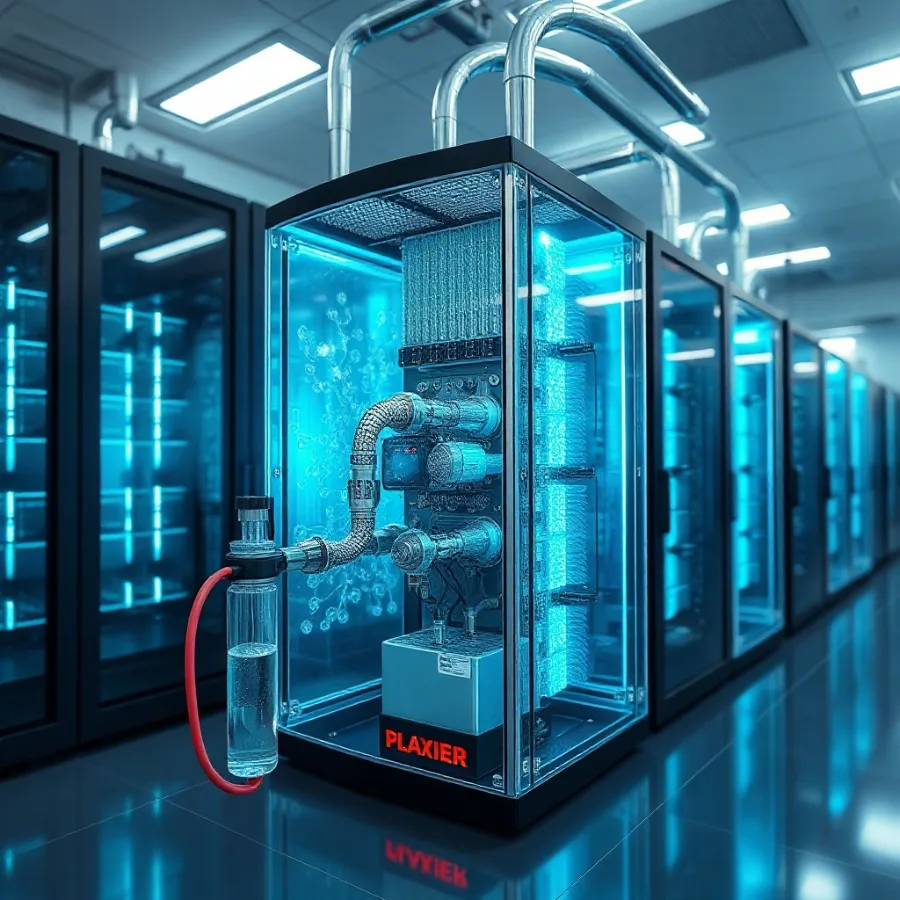
Liquid immersion cooling systems submerge the hardware components of AI supercomputers in a non-conductive liquid to dissipate heat more efficiently. This method is not only eco-friendly but also highly effective in cooling high-performance systems.
2 What is the role of phase change materials in cooling technology
Phase change materials absorb heat when they change from a solid to a liquid state, providing an efficient way to cool AI supercomputers. These materials are reusable and have a minimal impact on the environment.
3 Can natural ventilation systems effectively cool supercomputers
Natural ventilation systems harness the power of outdoor air to cool the components of AI supercomputers. By utilizing the natural environment, these systems reduce the reliance on artificial cooling methods.
4 How do heat pumps contribute to energy-efficient cooling in supercomputers
Heat pumps transfer heat from one location to another, allowing AI supercomputers to maintain optimal operating temperatures without excessive energy consumption. This technology is a game-changer for sustainability in the tech industry.
5 What role do thermal storage systems play in cooling modern supercomputers
Thermal storage systems store excess heat generated by AI supercomputers during peak usage hours and release it during off-peak times. This helps in balancing energy demands and reducing overall power consumption.
6 How do evaporative cooling systems work in cooling supercomputers
Evaporative cooling systems use the evaporation of water to remove heat from the air, cooling down the components of AI supercomputers efficiently. This method is cost-effective and environmentally friendly.
7 Can direct liquid cooling systems improve the efficiency of supercomputers
Direct liquid cooling systems circulate liquid directly through the hardware components of AI supercomputers, effectively dissipating heat and maintaining optimal temperatures. This method is energy-efficient and eco-friendly.
8 What are the benefits of using geothermal cooling for supercomputers
Geothermal cooling utilizes the stable temperature of the Earth to cool down AI supercomputers, reducing the reliance on traditional cooling methods. This sustainable approach is both cost-effective and environmentally friendly.
9 How does air economization help in cooling AI supercomputers
Air economization systems leverage outdoor air to cool down the components of supercomputers, minimizing the need for mechanical cooling. This approach significantly reduces energy consumption and carbon footprint.
10 How can smart thermal management systems optimize cooling in supercomputers
Smart thermal management systems use sensors and AI algorithms to monitor and adjust cooling mechanisms based on real-time data. This dynamic approach ensures efficient cooling while minimizing energy wastage.
Related guides: The Future of Eco-Friendly Industrial Technologies, Contrail Avoidance Explained: The Best 2026 Guide to Cooling Aviation, Liquid Cooling Tech: How Next-Gen Data Centers Are Cutting Carbon Emissions by 50%
Sources and Further Reading
Related Posts


Leave a Comment
Your comment will be published after it has been approved. Please send comments that do not contain slang words.