
The Green Aviation Battle: Electric Battery vs Liquid Hydrogen
Updated September 1, 2026 · 2 min read
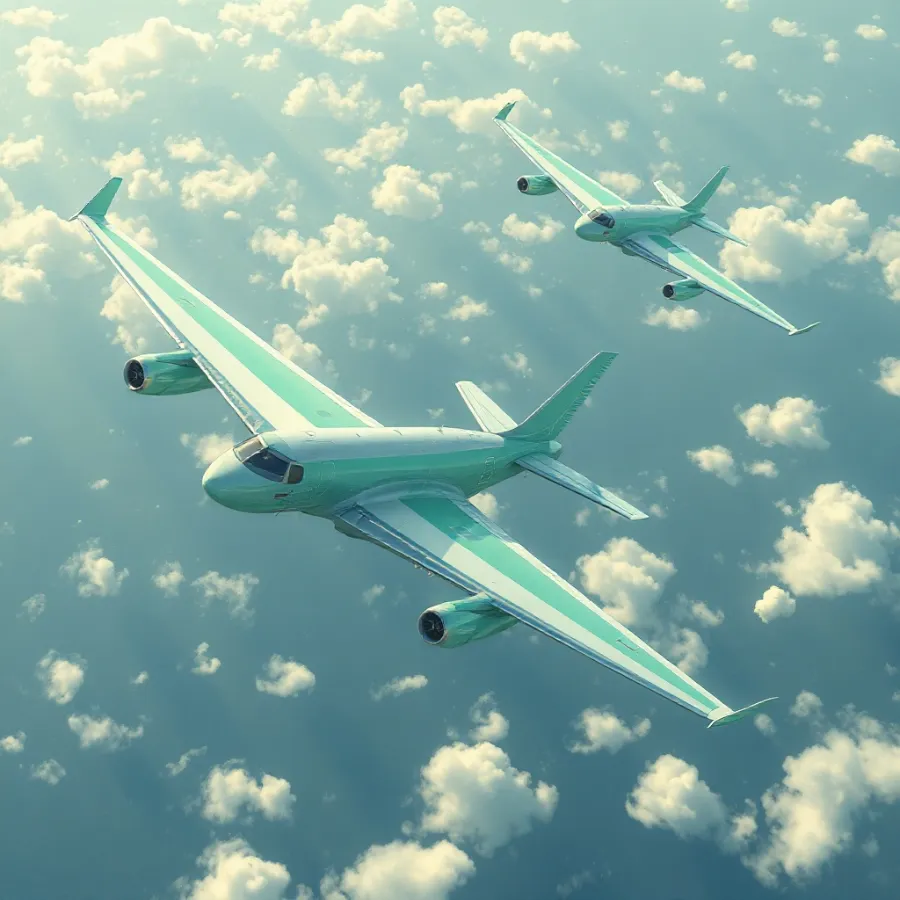
Climate change and carbon emissions have become pressing issues in today’s world, leading the aviation industry to seek more sustainable solutions. In the battle for greener skies, two frontrunners have emerged: electric battery-powered aircraft and liquid hydrogen fuel cells. Let’s delve into the Green Aviation Battle and explore the key differences between these two technologies.
The Rise of Electric Battery Aircraft 85 words
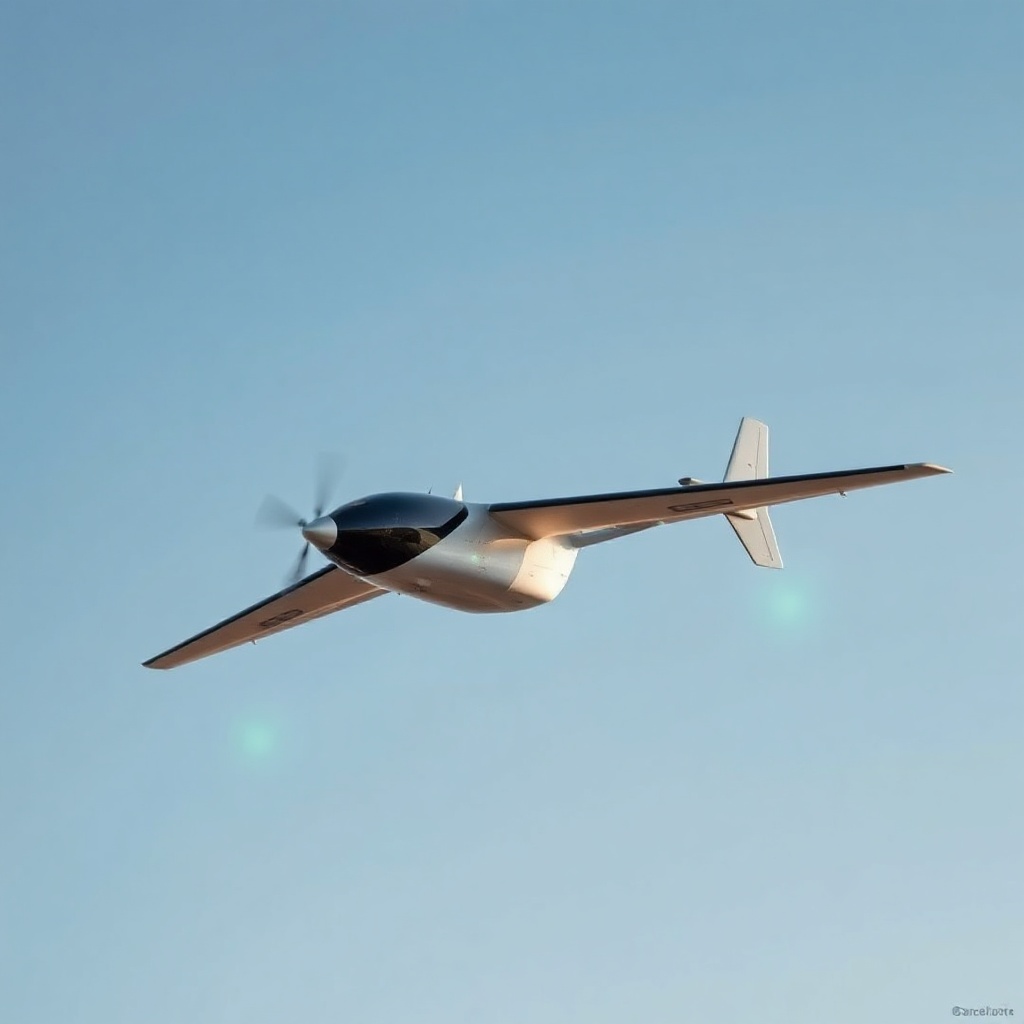
Electric battery-powered aircraft have gained traction in recent years, offering a promising solution to reduce carbon emissions in the aviation sector. These innovative aircraft rely on powerful batteries to generate electricity for propulsion, eliminating the need for traditional fossil fuels. With advancements in battery technology, electric planes are becoming more efficient and capable of longer flights, making them a viable option for sustainable air travel.
The Potential of Liquid Hydrogen Fuel Cells 165 words
On the other hand, liquid hydrogen fuel cells represent another green aviation technology that holds great potential for reducing carbon emissions. Liquid hydrogen is a clean and abundant energy source that can be converted into electricity through fuel cells, producing only water vapor as a byproduct. Aircraft powered by liquid hydrogen offer long-range capabilities and quick refueling times, making them an attractive option for commercial airlines looking to reduce their environmental impact.
Comparing Efficiency and Range 125 words
When it comes to efficiency and range, electric battery-powered aircraft and liquid hydrogen fuel cells each have their strengths. Electric planes excel in shorter flights and regional travel, thanks to their lightweight batteries and efficient propulsion systems. On the other hand, liquid hydrogen fuel cells offer longer range capabilities, making them ideal for international flights and long-haul journeys where refueling options may be limited.
Environmental Impact and Sustainability 205 words
In terms of environmental impact and sustainability, both technologies have their advantages. Electric battery-powered aircraft produce zero emissions during flight, making them a clean and environmentally friendly option for air travel. However, the production and disposal of batteries raise concerns about the overall lifecycle carbon footprint of these aircraft. On the other hand, liquid hydrogen fuel cells offer zero-emission flight as well, with the added benefit of using a renewable and abundant energy source that can be produced sustainably.
The Future of Green Aviation 145 words
As the aviation industry continues to prioritize sustainability and environmental responsibility, the future of green aviation looks promising. Electric battery-powered aircraft and liquid hydrogen fuel cells are paving the way for a cleaner and greener aviation sector, offering innovative solutions to reduce carbon emissions and combat climate change. With ongoing advancements in technology and increasing investment in sustainable aviation, we are on the cusp of a new era in air travel where eco-friendly alternatives take center stage.
Related guides: Safety in the Sky: Comparing Battery Fire Risks with Liquid Hydrogen Storage, Green Hydrogen vs Blue Hydrogen: The Ultimate Cost and Emission Comparison, What Temperature Does Liquid Hydrogen Need Compared to Stable EV Batteries?
Sources and Further Reading
Related Posts

Leave a Comment
Your comment will be published after it has been approved. Please send comments that do not contain slang words.