
Green Hydrogen vs Blue Hydrogen: The Ultimate Cost and Emission Comparison
Updated September 2, 2026 · 3 min read
- Green hydrogen vs blue hydrogen in 2026: blue costs $2.00-$3.50/kg (natural gas + carbon capture), green costs $4.50-$8/kg (electrolysis from renewable electricity) — blue is still meaningfully cheaper.
- Blue hydrogen’s cost is more predictable because natural gas has decades of liquid futures markets; green hydrogen’s cost swings more with renewable electricity price volatility.
- Most large low-carbon hydrogen and ammonia projects reaching financial close in 2025-2026 are blue, not green — cost dynamics are winning over environmental purity for now.
- In the most favorable markets (China, IRA-subsidized US projects), green hydrogen can fall below $2/kg — the exception, not yet the global norm.
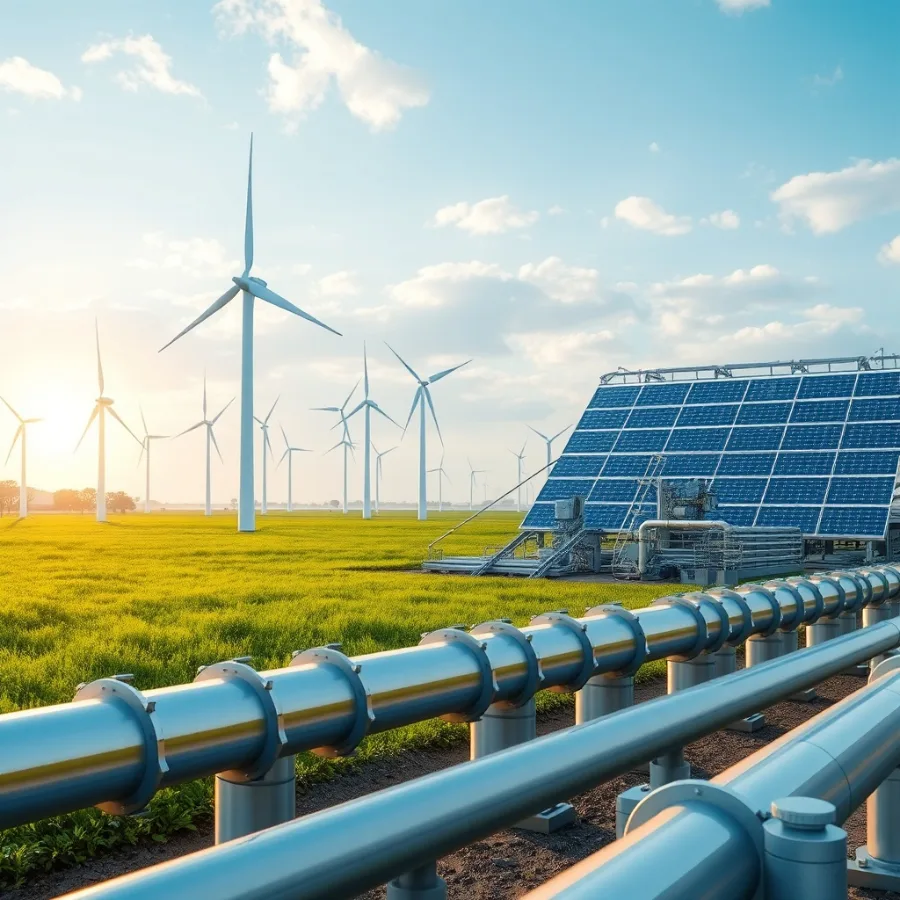
The green hydrogen vs blue hydrogen debate in 2026 comes down mostly to cost and predictability. Blue hydrogen — made from natural gas with carbon capture and storage — runs $2.00-$3.50/kg. Green hydrogen — made by electrolyzing water with renewable electricity — runs $4.50-$8/kg. Despite green hydrogen’s cleaner long-term profile, the near-term economics still favor blue for most large projects.
The Cost Numbers, Side by Side
| Hydrogen type | Production method | 2026 cost per kg |
|---|---|---|
| Blue hydrogen | Natural gas reformation + carbon capture/storage | $2.00-$3.50 |
| Green hydrogen (typical) | Electrolysis using renewable electricity | $4.50-$8.00 |
| Green hydrogen (best-case markets: China, IRA-subsidized US) | Electrolysis, favorable subsidy/energy pricing | Below $2.00 (exception, not norm) |
Why Blue Hydrogen Is More Predictable
Blue hydrogen’s main input — natural gas — has decades of liquid futures markets and hedging instruments behind it, giving producers a narrower, more predictable cost range. Green hydrogen’s main input — renewable electricity — has a more volatile price forecast, since electricity markets and renewable buildout costs vary more by region and are still maturing in many places.
Why Blue Hydrogen Is Winning Financial Close
| Factor | Blue advantage |
|---|---|
| Cost predictability | Mature natural gas hedging markets |
| Near-term cost | $2.00-$3.50/kg vs green’s $4.50-$8/kg |
| Project financing | Most 2025-2026 large low-carbon hydrogen/ammonia projects reaching financial close are blue |
This is a pragmatic, not purely environmental, decision by project developers and financiers: blue hydrogen still relies on fossil natural gas, but its cost predictability makes it easier to secure financing at scale today than green hydrogen in most markets.
Where Green Hydrogen Actually Wins Today

Green hydrogen becomes cost-competitive specifically where renewable electricity is unusually cheap and subsidies are strong — China’s low-cost renewable buildout and the US Inflation Reduction Act’s (now-narrowing) hydrogen production credit are the two clearest examples where green hydrogen can drop below $2/kg, occasionally undercutting blue in those specific markets.
What This Means Going Forward
Blue hydrogen’s near-term cost advantage doesn’t mean it wins long-term — as renewable electricity costs keep falling and electrolyzer manufacturing scales up, green hydrogen’s cost curve is expected to close the gap. For now, though, the 2026 reality is that cost and financing predictability are driving real project decisions toward blue hydrogen more than environmental considerations alone.
One-Minute Recap
- Blue hydrogen: $2.00-$3.50/kg, natural gas + carbon capture, more predictable cost.
- Green hydrogen: $4.50-$8/kg typically, renewable electrolysis, more cost-volatile.
- Most large 2025-2026 low-carbon hydrogen projects reaching financial close are blue.
- Green hydrogen dips below $2/kg only in the most favorable subsidized/renewable-rich markets.
hydrogen car emissions is worth a closer look for the full picture.
Which is cheaper, green hydrogen or blue hydrogen?
Blue hydrogen is cheaper in 2026, running $2.00-$3.50/kg versus green hydrogen’s typical $4.50-$8/kg, mainly because natural gas (blue’s input) has more mature, predictable pricing than renewable electricity (green’s input).
What is blue hydrogen made from?
Blue hydrogen is produced from natural gas through steam methane reformation, paired with carbon capture and storage to reduce the resulting CO2 emissions.
Why are more hydrogen projects choosing blue over green?
Cost predictability. Natural gas has decades of liquid futures and hedging markets, making blue hydrogen projects easier to finance at scale than green hydrogen projects facing more volatile renewable electricity pricing.
Can green hydrogen ever be cheaper than blue?
Yes, in specific favorable markets — China’s low-cost renewables and US IRA-subsidized projects can push green hydrogen below $2/kg, occasionally undercutting blue hydrogen, though this remains the exception rather than the global norm.
Is blue hydrogen actually low-carbon?
It’s lower-carbon than unabated natural gas hydrogen (grey hydrogen) because of carbon capture, but it still relies on fossil natural gas and captures emissions rather than eliminating them at the source, unlike green hydrogen’s renewable-electricity-only process.
Will green hydrogen become cheaper than blue hydrogen eventually?
Most analysts expect the cost gap to narrow as renewable electricity costs keep falling and electrolyzer manufacturing scales up, but as of 2026 blue hydrogen retains a real near-term cost and financing advantage.
Sources and Further Reading
Related Posts



Leave a Comment
Your comment will be published after it has been approved. Please send comments that do not contain slang words.