How Sustainable Material Science Is Eliminating Plastic in Manufacturing
Updated September 2, 2026 · 4 min read
- Sustainable material science moved plastic alternatives from lab curiosity to real purchase orders in 2026 — mycelium, plant starch, and seaweed materials now power actual supply chains.
- Mycelium packaging scores up to 94% under composting conditions vs. EPS foam’s 46% even under ideal recycling scenarios — a dramatic performance gap.
- Mycelium packaging grows into custom molds in just 6 days and is home, marine, AND industrially compostable — beating most “compostable” plastics that only work in industrial facilities.
- The EU’s Packaging and Packaging Waste Regulation (PPWR) takes effect August 2026, requiring all packaging to be recyclable by 2030 — a real regulatory forcing function.
The clearest sign sustainable material science has matured: mycelium, seaweed, and plant-starch materials that “sounded like science-fair experiments just a few years ago” now power real commercial purchase orders in 2026, not just pilot programs. As production scales — fermentation tanks, mycelium farms, seaweed processors — unit prices are creeping toward parity with virgin plastic.

The Composting Performance Gap
| Material | Composting performance |
|---|---|
| Mycelium biocomposite packaging | Up to 94% under composting conditions |
| EPS foam (traditional plastic foam) | 46%, even under ideal recycling scenarios |
That’s not a marginal improvement — mycelium packaging composts roughly twice as completely as EPS foam even manages under best-case recycling conditions, which for most consumers and municipalities never actually happen.
How Mycelium Packaging Is Actually Made
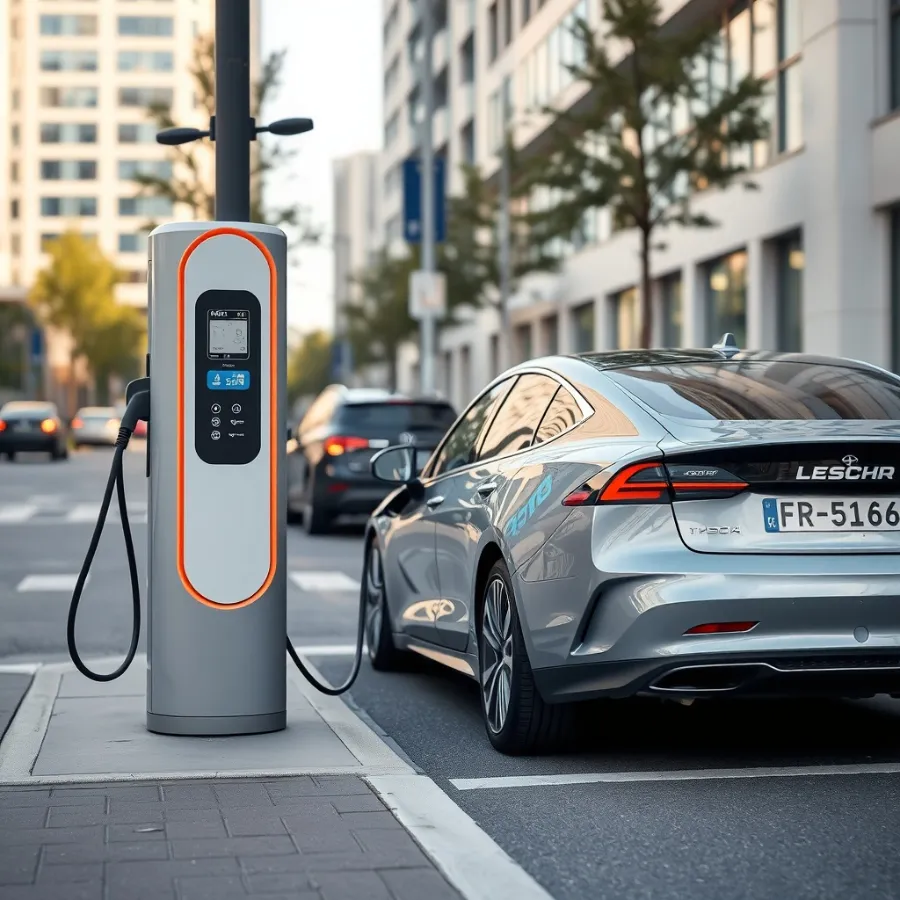
The process uses mycelium — the root-like network (hyphae) of mushrooms — combined with agricultural waste like hemp, corn husks, or wood chips. The mixture is placed in a custom mold, and the mycelium grows around the waste material, binding it into a solid shape in as little as 6 days. The result is home compostable, marine compostable, AND industrially compostable — a genuine advantage over many “compostable” plastics that only break down in specific industrial facilities most consumers can’t access.
Why 2026 Is Different From Earlier Bioplastic Hype
| Then | Now (2026) |
|---|---|
| Small pilot batches, lab-scale | Real purchase orders from commercial buyers |
| Significant cost premium over plastic | Unit prices creeping toward parity with virgin plastic as production scales |
| No strong regulatory push | EU’s PPWR mandates recyclable packaging by 2030, effective Aug 2026 |
The Regulatory Forcing Function
The EU’s Packaging and Packaging Waste Regulation (PPWR) takes effect in August 2026 and requires all packaging to be recyclable by 2030. This kind of hard deadline changes corporate purchasing calculus — companies selling into the EU now have a compliance reason, not just a marketing reason, to switch away from conventional plastic packaging toward materials like mycelium biocomposites that genuinely compost rather than just claim to.
What This Means for Manufacturing Broadly
Packaging is the most visible application, but the same sustainable-material-science principles (bio-based feedstocks, engineered biological growth processes, genuine end-of-life compostability) are extending into other plastic-replacement categories as production economics improve — the packaging breakthrough is likely a leading indicator for broader materials substitution in manufacturing, not an isolated niche.
One-Minute Recap
- Mycelium packaging composts to 94% vs. EPS foam’s 46% best-case recycling rate.
- Grown from mushroom root networks + agricultural waste, ready in 6 days, compostable in every setting (home/marine/industrial).
- 2026 marks the shift from lab pilots to real purchase orders as unit costs approach plastic parity.
- EU’s PPWR (effective Aug 2026, recyclable-by-2030 mandate) is accelerating corporate adoption.
advanced recycling technologies is worth a closer look for the full picture.
design for disassembly is worth a closer look for the full picture.
the 12 principles of green engineering is worth a closer look for the full picture.
How much better is mycelium packaging than plastic foam?
Mycelium packaging scores up to 94% under composting conditions, compared to traditional EPS plastic foam’s 46% even under ideal recycling scenarios — roughly double the environmental performance.
How is mycelium packaging made?
Mushroom mycelium (root-like hyphae networks) is combined with agricultural waste like hemp, corn husks, or wood chips in a mold, where the mycelium grows around the waste and binds it into a solid shape in as little as 6 days.
Is mycelium packaging actually compostable everywhere?
Yes — it’s home compostable, marine compostable, and industrially compostable, unlike many ‘compostable’ plastics that only break down in specific industrial facilities most consumers can’t access.
Are sustainable materials like mycelium now cost-competitive with plastic?
They’re getting closer. As production scales up (fermentation tanks, mycelium farms, seaweed processors), unit prices are creeping toward parity with virgin plastic, moving these materials from niche to commercially viable.
What regulation is pushing companies toward sustainable packaging materials?
The EU’s Packaging and Packaging Waste Regulation (PPWR) takes effect in August 2026 and requires all packaging to be recyclable by 2030, giving companies a compliance reason to adopt materials like mycelium biocomposites.
Is sustainable material science limited to packaging?
Packaging is the most visible current application, but the same bio-based, compostable-by-design principles are extending into other plastic-replacement categories in manufacturing as production economics continue to improve.
Sources and Further Reading
Related Posts



Leave a Comment
Your comment will be published after it has been approved. Please send comments that do not contain slang words.