
Advanced Recycling Technologies Supporting Sustainability
Updated September 1, 2026 · 4 min read
- Advanced recycling technologies (chemical recycling) scaled up 3x in Europe: from under 200,000 tonnes/year in 2023 to roughly 600,000 tonnes/year by mid-2026.
- ExxonMobil’s US plastic processing capacity hit 500 million pounds/year by 2026 across six units; LyondellBasell’s German facility (50,000 tpy) starts up by end of 2026.
- The market is growing at 25%+ CAGR through 2040, driven by circular-economy laws and recycled-content mandates, not just corporate PR.
- Real criticisms remain: high capital costs ($50-200M per facility), energy-intensive processes, and unresolved feedstock supply-chain gaps.
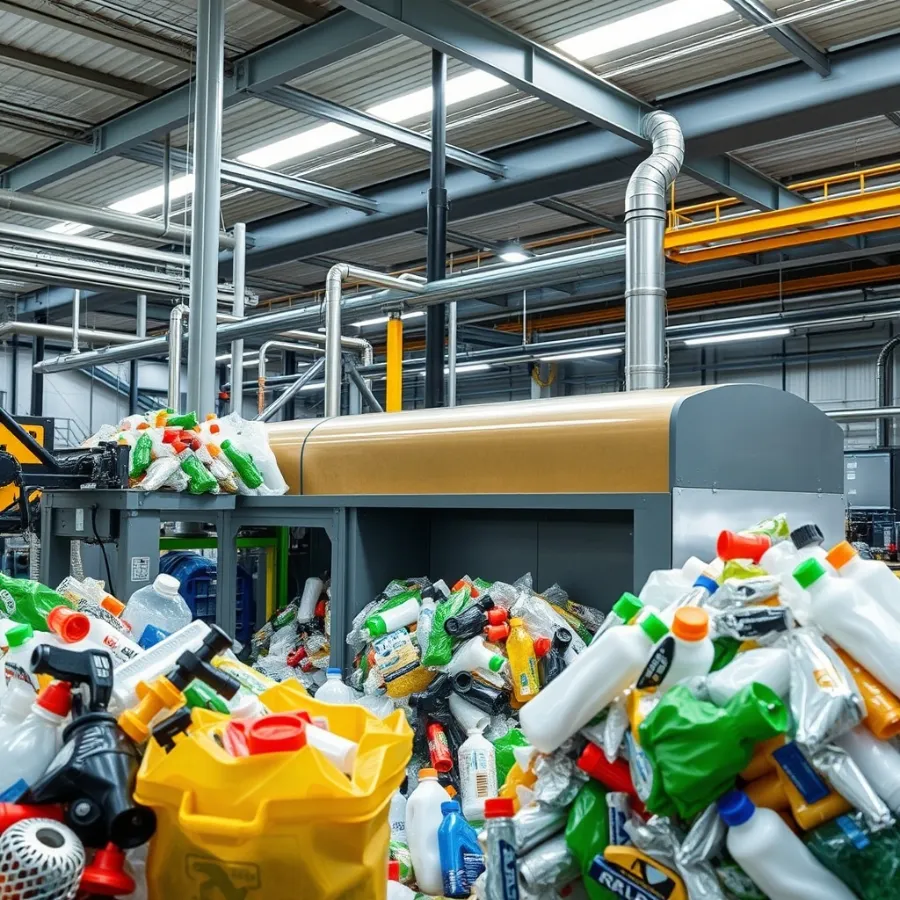
Advanced recycling technologies — pyrolysis, gasification, and solvent-based depolymerization that convert hard-to-recycle plastic waste into virgin-quality feedstock — moved from pilot-scale controversy to real industrial capacity in 2026. European chemical recycling capacity roughly tripled since 2023, and major petrochemical companies are now operating at genuinely commercial scale, not just demonstration plants.
The Scale-Up Numbers
| Metric | Figure |
|---|---|
| European chemical recycling capacity, 2023 | Under 200,000 tonnes/year |
| European chemical recycling capacity, mid-2026 | ~600,000 tonnes/year (roughly tripled) |
| ExxonMobil US plastic processing capacity, 2026 | 500 million lbs/year across 6 units |
| LyondellBasell MoReTec facility (Germany) | 50,000 tonnes/year, startup expected end of 2026 |
| Market growth rate through 2040 | 25%+ CAGR |
How These Technologies Actually Work

| Method | How it works |
|---|---|
| Pyrolysis | Heats plastic waste without oxygen, breaking it into oil/gas feedstock |
| Gasification | Converts waste into syngas at high temperature |
| Solvent-based dissolution/depolymerization | Uses solvents to break plastics down to virgin-quality building blocks |
Unlike mechanical recycling (melting and reforming plastic, which degrades quality each cycle), these chemical processes can, in principle, produce feedstock indistinguishable from virgin plastic — which is the core selling point to brand owners facing recycled-content mandates.
What’s Actually Driving the Growth
This isn’t purely a sustainability-marketing story — circular economy legislation and recycled-content mandates are creating real regulatory demand for processed plastic feedstock, alongside corporate sustainability commitments from major consumer brands and petrochemical producers who need to hit those mandates with actual supply, not just intentions.
The Real Criticisms, Not Dismissed
- High capital costs — commercial-scale facilities run $50-200 million to build, a real barrier to rapid scaling.
- Energy intensity — pyrolysis and gasification require careful process optimization and renewable-energy integration to actually achieve a favorable carbon footprint; done poorly, the energy input can offset much of the climate benefit.
- Feedstock supply gaps — the supply side (collecting, sorting, and delivering waste plastic reliably) still lacks sufficient infrastructure, logistics, and offtake agreements in many regions.
What This Means Going Forward
The 25%+ CAGR growth trajectory through 2040 suggests the industry expects these criticisms to be addressable rather than fatal — but the honest read of 2026’s numbers is real, meaningful scale-up (tripled EU capacity, major players operating at genuine commercial volume) alongside genuine unresolved cost, energy, and supply-chain problems that will determine how fast the sector can keep growing.
One-Minute Recap
- European chemical recycling capacity roughly tripled 2023-2026, reaching ~600,000 tonnes/year.
- ExxonMobil (500M lbs/year) and LyondellBasell (50,000 tpy Germany facility, 2026 startup) are operating at real commercial scale.
- Growth driven by circular-economy laws and recycled-content mandates, projected at 25%+ CAGR through 2040.
- Real unresolved issues remain: $50-200M facility costs, energy intensity, and feedstock supply-chain gaps.
direct air capture is worth a closer look for the full picture.
biodegradable electronics is worth a closer look for the full picture.
circular economy engineering is worth a closer look for the full picture.
clean water technology is worth a closer look for the full picture.
decarbonizing heavy industry is worth a closer look for the full picture.
comparing technology carbon footprints is worth a closer look for the full picture.
How much has chemical recycling capacity grown?
European chemical recycling capacity roughly tripled from under 200,000 tonnes/year in 2023 to about 600,000 tonnes/year by mid-2026, with the market projected to grow at over 25% CAGR through 2040.
What are the main types of advanced recycling technologies?
Pyrolysis (heating plastic waste without oxygen into oil/gas feedstock), gasification (converting waste into syngas), and solvent-based dissolution or depolymerization (breaking plastics into virgin-quality building blocks).
How is advanced recycling different from regular plastic recycling?
Mechanical recycling melts and reforms plastic, degrading quality each cycle. Chemical/advanced recycling breaks plastic down to a molecular or near-molecular level, in principle producing feedstock indistinguishable from virgin plastic.
Is chemical recycling actually environmentally beneficial?
It can be, but the energy intensity of processes like pyrolysis and gasification needs careful optimization and renewable energy integration — done poorly, the energy input can offset much of the climate benefit, a legitimate ongoing criticism of the technology.
What’s the biggest barrier to scaling advanced recycling technologies?
High capital costs ($50-200 million per commercial-scale facility) combined with feedstock supply-chain gaps — many regions still lack the collection, sorting, and offtake infrastructure to reliably feed these facilities.
Which companies are operating advanced recycling at commercial scale?
ExxonMobil operates 500 million pounds/year of US plastic processing capacity across six units, and LyondellBasell’s 50,000-tonnes-per-year MoReTec facility in Germany is expected to start up by the end of 2026.
Sources and Further Reading
Related Posts
Leave a Comment
Your comment will be published after it has been approved. Please send comments that do not contain slang words.