
Industrial Decarbonization Technologies Explained
Updated September 1, 2026 · 3 min read
- Industrial decarbonization technologies rest on five core pathways: renewable electrification, energy efficiency, carbon capture and storage, green fuels (hydrogen/biofuels), and expanded metal/plastic recycling.
- Steel decarbonization centers on hydrogen-based direct reduced iron (H2-DRI) and renewable-powered electric arc furnaces, both still scaling from pilot to commercial deployment.
- The US industrial decarbonization market alone is projected to grow from $46.82B (2025) to $148.30B by 2035, a 12.24% CAGR.
- Hydrogen’s industrial role depends on three things falling into place together: affordable green hydrogen, the right infrastructure, and available financing — none of which is solved yet at scale.
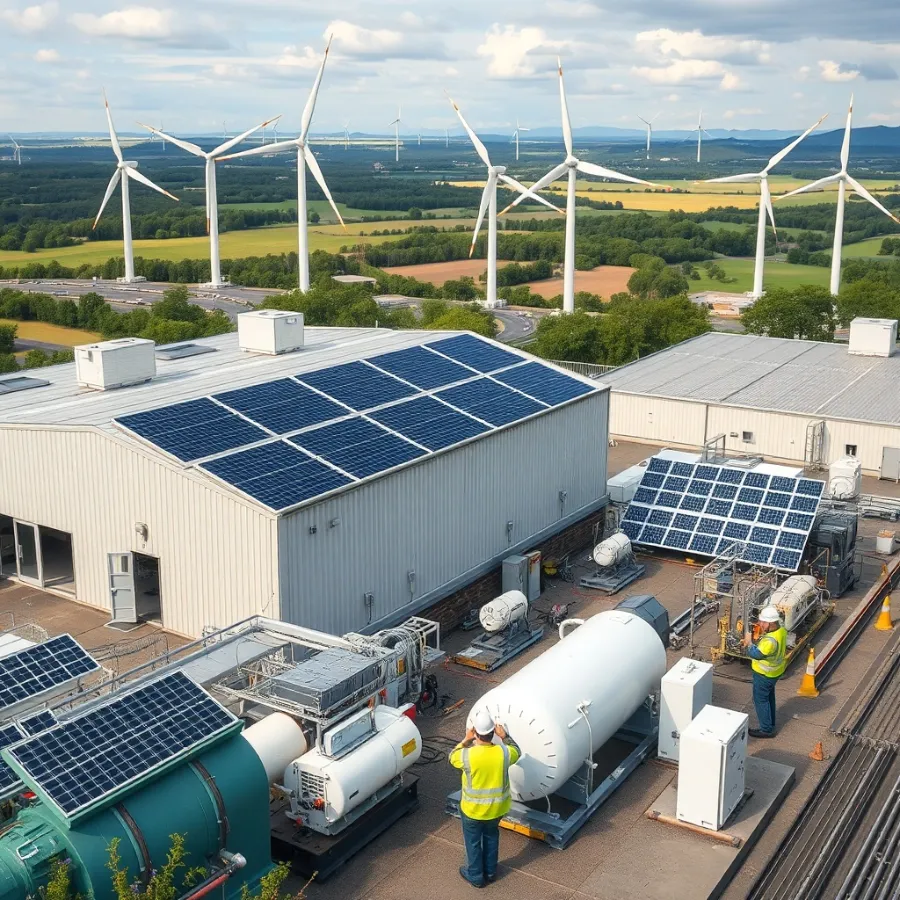
Industrial decarbonization technologies tackle the hardest slice of the emissions problem: steel, cement, and heavy manufacturing that can’t simply plug into rooftop solar. Five core pathways make up the toolkit — renewable electrification, energy efficiency, carbon capture and storage, green fuels, and expanded recycling — and the US market alone is projected to more than triple by 2035.
The Five Core Pathways
| Pathway | What it does |
|---|---|
| Renewable electrification | Replaces fossil-fuel process heat with renewable-powered electric processes |
| Energy efficiency | Reduces total energy demand through integrated process improvements |
| Carbon capture and storage (CCS) | Captures emissions from processes that can’t be fully electrified |
| Green fuels (hydrogen, biofuels) | Provides high-temperature heat and feedstock where electricity alone can’t reach |
| Expanded recycling | Cuts raw material demand for metals and plastics, reducing upstream emissions |
Steel: The Hardest Industrial Sector to Decarbonize
| Technology | Approach |
|---|---|
| Hydrogen-based Direct Reduced Iron (H2-DRI) | Uses hydrogen instead of coal to chemically reduce iron ore |
| Renewable-powered electric arc furnaces | Melts recycled steel using renewable electricity instead of fossil fuel |
| Carbon capture | Captures emissions from processes that can’t yet be electrified or hydrogen-fed |
Steel production traditionally requires extremely high heat and a chemical reduction process that’s difficult to electrify directly — which is why hydrogen (as both a heat source and a chemical reducing agent) plays such a central role in steel-specific decarbonization compared to lighter industries.
Where AI Fits In
In cement and steel specifically, AI is being used to extract more performance from aging plants — optimizing fuel use and reducing waste in existing infrastructure rather than waiting for full plant replacement. This is a lower-capital-cost lever available today, alongside the longer-term technology shifts to hydrogen and electrification.
The Market Scale

| Metric | Figure |
|---|---|
| US industrial decarbonization market, 2025 | $46.82 billion |
| Projected by 2035 | $148.30 billion |
| Growth rate (2026-2035) | 12.24% CAGR |
The Three-Part Bottleneck for Hydrogen
Hydrogen’s industrial potential depends on affordable green hydrogen, the right delivery infrastructure, and available financing all coming together simultaneously — solving only one or two of these doesn’t unlock deployment. This is the same cost dynamic covered elsewhere on green hydrogen vs blue hydrogen: near-term green hydrogen remains more expensive and less predictable than blue, which slows industrial adoption even where the technology itself works.
One-Minute Recap
- Five pathways: renewable electrification, energy efficiency, CCS, green fuels, recycling.
- Steel relies heavily on hydrogen-based direct reduction and renewable electric arc furnaces.
- US market: $46.82B (2025) → $148.30B (2035 projected), 12.24% CAGR.
- Hydrogen adoption needs affordable green hydrogen + infrastructure + financing together, not just one piece.
robotics reducing manufacturing waste is worth a closer look for the full picture.
What are the main industrial decarbonization technologies?
Five core pathways: renewable electrification, energy efficiency improvements, carbon capture and storage, green fuels like hydrogen and biofuels, and expanded metal/plastic recycling to reduce raw material demand.
Why is steel so hard to decarbonize?
Steel production requires extremely high heat and a chemical reduction process difficult to electrify directly, which is why hydrogen-based direct reduced iron (H2-DRI) and renewable-powered electric arc furnaces play such central roles.
How big is the industrial decarbonization market?
The US industrial decarbonization market was valued at $46.82 billion in 2025 and is projected to reach $148.30 billion by 2035, growing at a 12.24% CAGR.
What role does hydrogen play in industrial decarbonization?
Hydrogen provides high-temperature process heat and acts as a chemical feedstock where electricity alone can’t reach, but its adoption depends on affordable green hydrogen, the right infrastructure, and available financing all being in place together.
Is AI used in industrial decarbonization?
Yes — in cement and steel specifically, AI helps operators extract more performance from aging plants by optimizing fuel use and reducing waste, a lower-cost option available before full technology replacement.
Is industrial decarbonization more expensive than other climate technologies?
It faces real cost challenges, particularly around green hydrogen and CCS, but investment and pilot projects continue to expand across the US and Europe as the underlying technologies mature.
Sources and Further Reading
Related Posts


Leave a Comment
Your comment will be published after it has been approved. Please send comments that do not contain slang words.