
Green Building Technologies for Sustainable Cities
Updated September 2, 2026 · 3 min read
- Green building technologies deliver measurable results: over 90% of 7,100 certified projects improved energy performance by at least 10%, and LEED buildings report nearly 20% lower maintenance costs.
- Commercial buildings can achieve 50-70% energy use reductions through envelope improvements, HVAC electrification, lighting upgrades, and advanced controls — before even adding on-site renewables.
- LEED v5 (gaining momentum through 2026) shifts focus from predicted energy modeling to actual measured performance, with decarbonization now nearly 50% of certification points.
- Over 500 US commercial buildings have achieved net-zero operational carbon certification, up from a small handful just a few years ago.
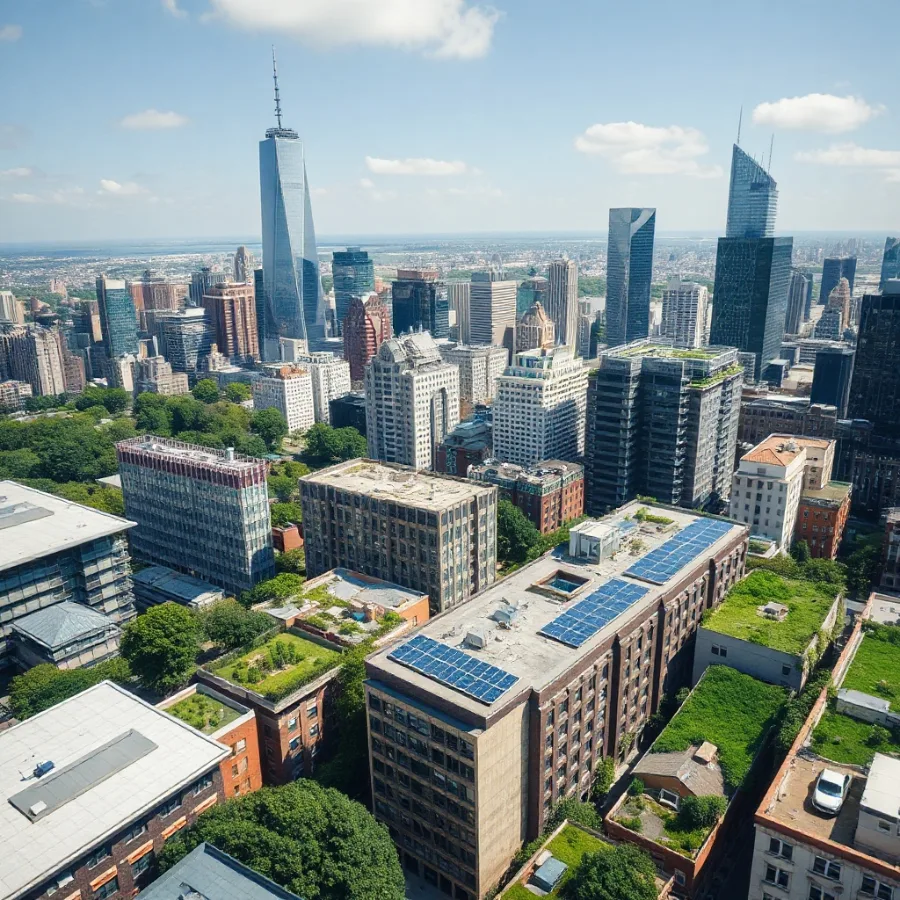
Green building technologies now have a real performance track record, not just design intentions. In a study of 7,100 certified construction projects, more than 90% improved energy performance by at least 10% — and LEED v5, gaining momentum through 2026, is pushing certification further by requiring measured performance over time instead of just modeled predictions.
The Real Performance Numbers
| Metric | Result |
|---|---|
| Certified projects improving energy performance ≥10% | 90%+ of 7,100 studied |
| LEED buildings vs. typical commercial maintenance costs | ~20% lower |
| Green retrofits, operation cost reduction in year 1 | ~10% lower |
| Commercial buildings, achievable energy reduction | 50-70% via envelope/HVAC/lighting/controls |
The Core Technology Stack
| Technology | Role |
|---|---|
| Building envelope improvements | Insulation, windows, air sealing to cut baseline energy demand |
| HVAC electrification | Replacing fossil-fuel heating/cooling with efficient electric systems |
| Advanced controls | Automated systems optimizing energy use in real time |
| Building-Integrated Photovoltaics (BIPV) | Solar cells embedded directly into façade glass |
| Battery energy storage systems (BESS) | On-site storage enabling peak shaving during high-cost utility hours |
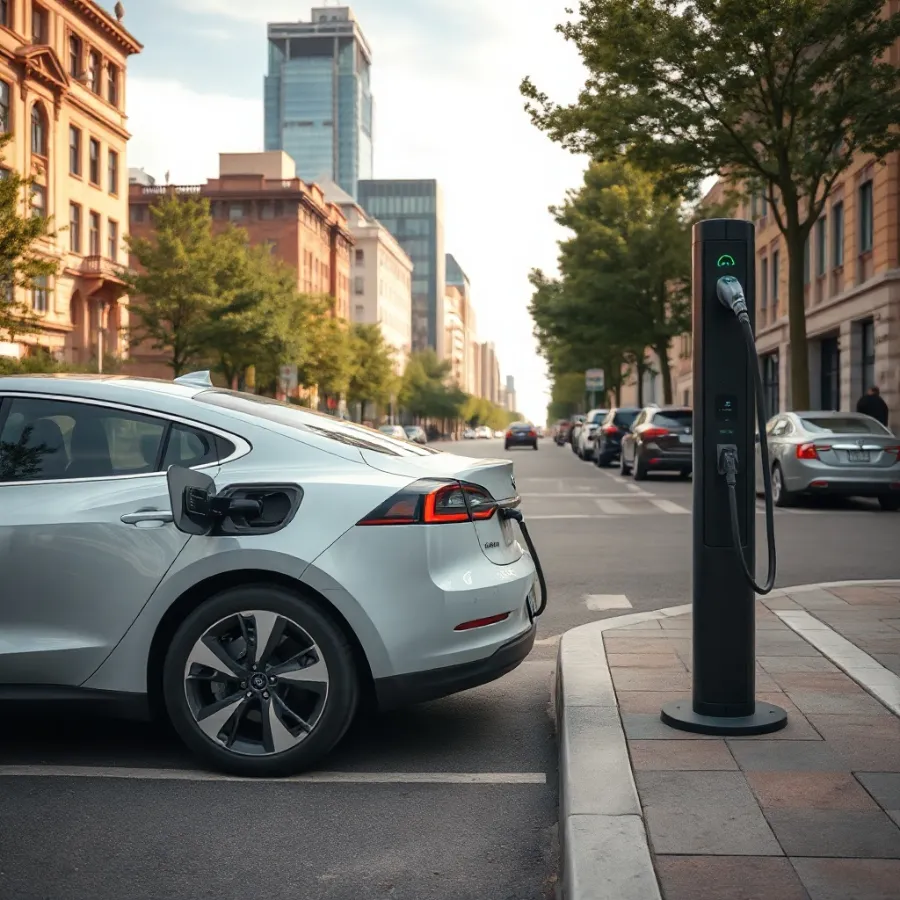
These five categories combined can cut a commercial building’s energy use by 50-70% before even adding on-site solar — the remaining demand gets met through rooftop solar, BIPV, or verified renewable energy procurement.
LEED v5: From Predictions to Proof
| Change | Significance |
|---|---|
| Shift from modeled to measured performance | Certification now verifies actual results, not just design predictions |
| Decarbonization weighting | Nearly 50% of total LEED v5 points |
| LEED Zero program | Specifically verifies net-zero achievement in existing buildings |
Net Zero Is No Longer Rare
Over 500 commercial buildings in the US have now achieved net-zero operational carbon certification through programs like LEED Zero and the International Living Future Institute’s Zero Energy certification — a real, countable number that shows net zero has moved from aspiration to an achieved status for a meaningful (if still small) segment of commercial real estate.
The Market Scale
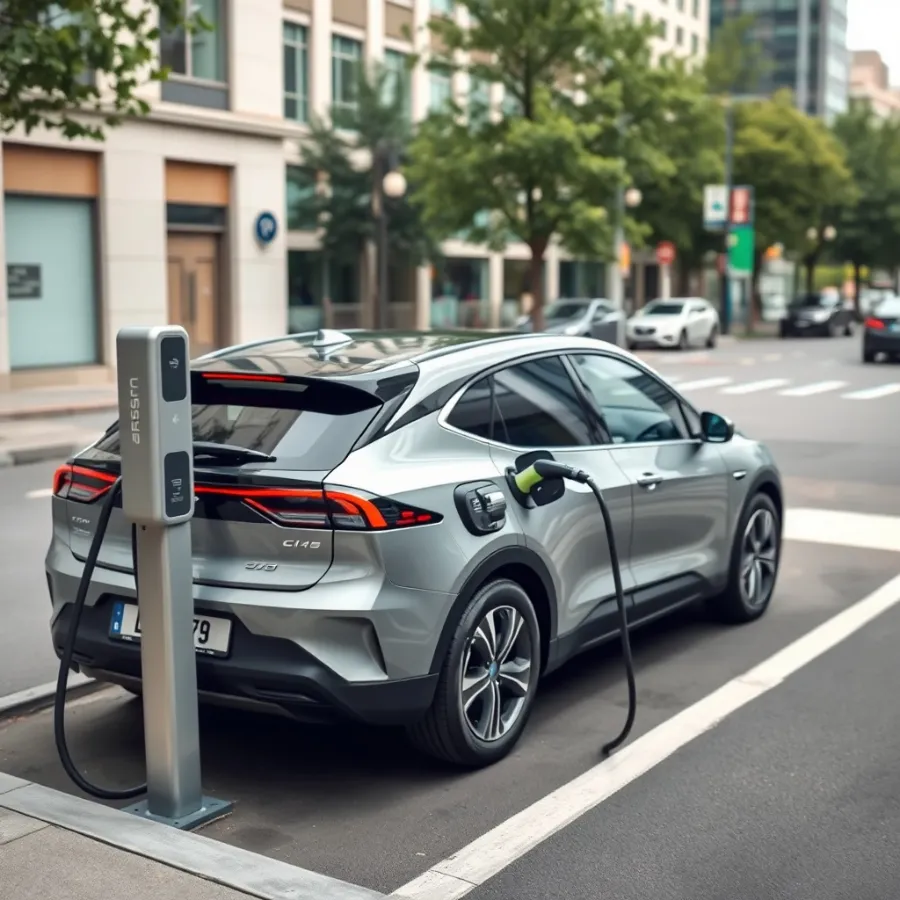
The global green building market grew from $618.58 billion in 2025 to $676.85 billion in 2026 — real capital tracking the measured performance gains above, not speculative sustainability spending.
One-Minute Recap
- 90%+ of 7,100 certified projects improved energy performance by 10%+; LEED buildings run ~20% lower maintenance costs.
- Commercial buildings can cut energy use 50-70% via envelope, HVAC electrification, lighting, and controls.
- LEED v5 now requires measured performance, not just modeled predictions; decarbonization is ~50% of points.
- 500+ US buildings have achieved certified net-zero operational carbon status.
Related guides: Biodegradable Electronics, Circular Economy Engineering
Do green building technologies actually save measurable energy?
Yes — a study of 7,100 certified construction projects found more than 90% improved energy performance by at least 10%, with LEED buildings reporting nearly 20% lower maintenance costs than typical commercial buildings.
How much can commercial buildings reduce their energy use?
Most commercial buildings can achieve 50-70% energy use reductions through envelope improvements, HVAC electrification, lighting upgrades, and advanced controls, with remaining demand met by on-site solar or renewable procurement.
What changed with LEED v5?
LEED v5, gaining momentum through 2026, shifts certification from modeled energy predictions to measured actual performance over time, with decarbonization now accounting for nearly 50% of certification points.
How many buildings have achieved net-zero certification?
Over 500 commercial buildings in the US have achieved net-zero operational carbon certification through programs like LEED Zero and the International Living Future Institute’s Zero Energy certification.
What is Building-Integrated Photovoltaics (BIPV)?
Solar cells embedded directly into a building’s façade glass, generating electricity as part of the building envelope itself rather than requiring separate rooftop panel installations.
How big is the green building market?
The global green building market grew from $618.58 billion in 2025 to $676.85 billion in 2026, reflecting real investment tracking measured performance gains.
Sources and Further Reading
Related Posts

Leave a Comment
Your comment will be published after it has been approved. Please send comments that do not contain slang words.