
How Agrivoltaics Combines Solar Power Generation with Sustainable Agriculture
Updated September 2, 2026 · 2 min read
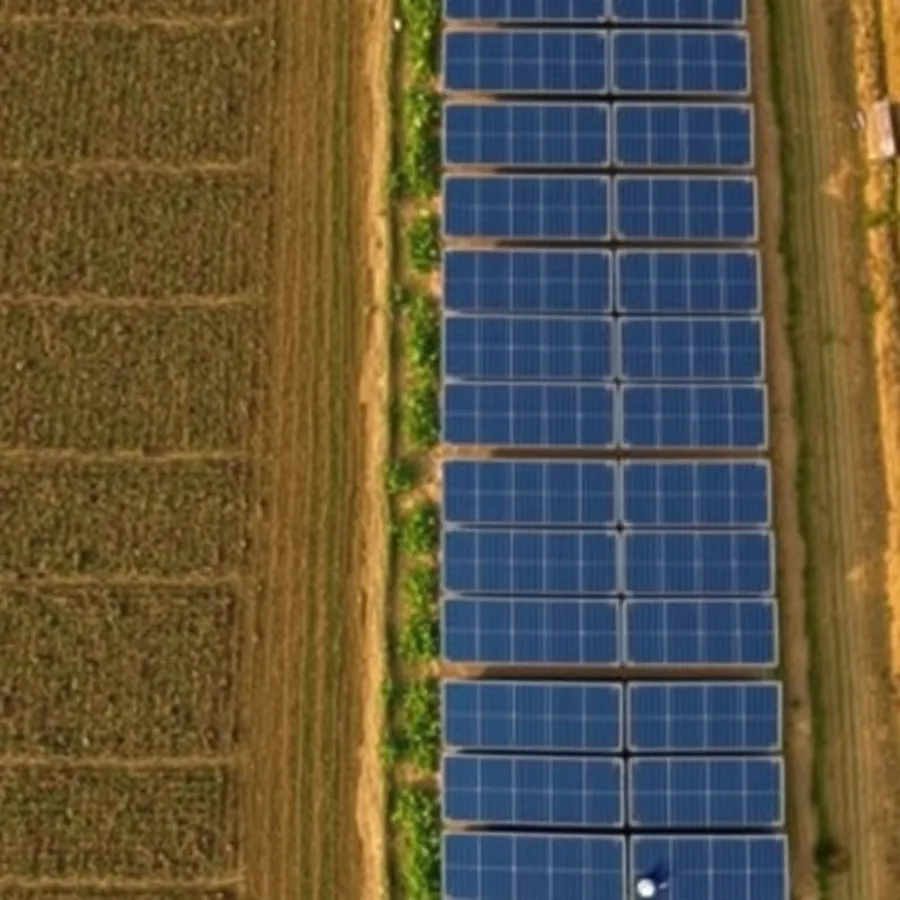
Agrivoltaics, also known as solar sharing, is a groundbreaking approach that combines solar power generation with sustainable agriculture. This innovative concept involves installing solar panels above agricultural fields to generate clean energy while also allowing crops to grow beneath them. By utilizing the same land for both solar energy production and food cultivation, agrivoltaics offers a dual benefit of renewable energy generation and enhanced agricultural productivity.
Enhancing Land Use Efficiency
One of the key advantages of agrivoltaics is its ability to maximize land use efficiency. By utilizing the same piece of land for both solar panels and crops, farmers can optimize the productivity of their fields. This dual land use approach not only helps in meeting the growing energy demands but also ensures sustainable agricultural practices. Agrivoltaics promotes a harmonious coexistence between renewable energy production and food cultivation, making efficient use of available resources.
Promoting Environmental Sustainability
Agrivoltaics plays a crucial role in promoting environmental sustainability by reducing greenhouse gas emissions and supporting biodiversity. The combination of solar panels and crops creates a microclimate that benefits plant growth and reduces water evaporation from the soil. This innovative approach helps in mitigating climate change impacts by lowering carbon emissions and fostering a more sustainable ecosystem. Agrivoltaics demonstrates a holistic approach towards environmental conservation and resource management.
Supporting Rural Communities
Another significant benefit of agrivoltaics is its potential to support rural communities by creating new opportunities for income generation. Farmers can benefit from both solar energy sales and crop production, diversifying their revenue streams and enhancing financial stability. This integrated approach empowers rural communities to participate in the renewable energy sector while also ensuring food security through sustainable agriculture practices. Agrivoltaics offers a promising solution for rural development and economic growth.
Fostering Innovation and Collaboration
Agrivoltaics represents a prime example of innovation and collaboration in the renewable energy and agricultural sectors. By bringing together experts from both fields, this approach encourages interdisciplinary cooperation and knowledge sharing. The synergy between solar energy and agriculture opens up new possibilities for sustainable development and technological advancements. Agrivoltaics serves as a catalyst for innovation, driving progress towards a more sustainable and resilient future.
Related guides: Perovskite Solar Cells: The Breakthrough Technology Doubling Solar Panel Efficiency in 2026, Solar power for EV charging, Space-based solar power potential
Sources and Further Reading
Related Posts



Leave a Comment
Your comment will be published after it has been approved. Please send comments that do not contain slang words.