
How Smart Cities Use IoT Sensors to Cut Emissions

Updated September 2, 2026 · 3 min read
- Smart cities use IoT sensors across traffic, energy, and waste systems — real deployments show 15% energy savings from smart grids and 12% lower per-capita emissions from renewable integration (China study).
- Barcelona has deployed thousands of IoT sensors monitoring air quality, noise, traffic, and building energy use, with measurable congestion and emissions reductions from real-time traffic optimization.
- IoT-enabled waste bins cut overflow incidents by 80% in some cities, reducing unnecessary collection trips and the fuel/emissions that come with them.
- The global smart city IoT market is growing from $130.6B (2021) to a projected $312.2B by 2026, a 19% CAGR — real capital following real deployments.
Smart cities use IoT sensors to cut emissions across three main systems — energy grids, traffic, and waste management — with real, measured results rather than just projected benefits. A China-focused study found smart grids can decrease energy use by 15%, with renewable integration cutting per-capita emissions by about 12%.
Real Deployments, Real Numbers
| City/System | Result |
|---|---|
| Smart grids (China study) | 15% lower energy use |
| Renewable integration (same study) | ~12% lower per-capita emissions |
| Barcelona traffic sensors | Reduced congestion and emissions via real-time flow optimization |
| IoT-enabled waste bins | 80% reduction in overflow incidents in some cities |
Barcelona: A Multi-System Example

Barcelona has installed thousands of IoT sensors across the city monitoring air quality, noise levels, traffic flow, and energy usage in public buildings simultaneously — not a single-purpose deployment, but a citywide sensing layer feeding real-time data into traffic management and building energy systems. This kind of integrated approach is what distinguishes genuine smart-city infrastructure from isolated pilot projects.
Songdo, South Korea: Building-Level Integration
| System | How it works |
|---|---|
| Waste collection | Underground pneumatic networks move waste instead of collection trucks |
| Traffic and lighting | Adjusts in real time based on sensor data to reduce energy use |
| Building sensors | Linked to a central city-management system |
Eliminating truck-based waste collection entirely (replaced by underground pneumatic tubes) removes both the fuel emissions and the traffic congestion that collection routes normally add — a structural design choice, not just a sensor retrofit.
The Waste-Bin Case Study
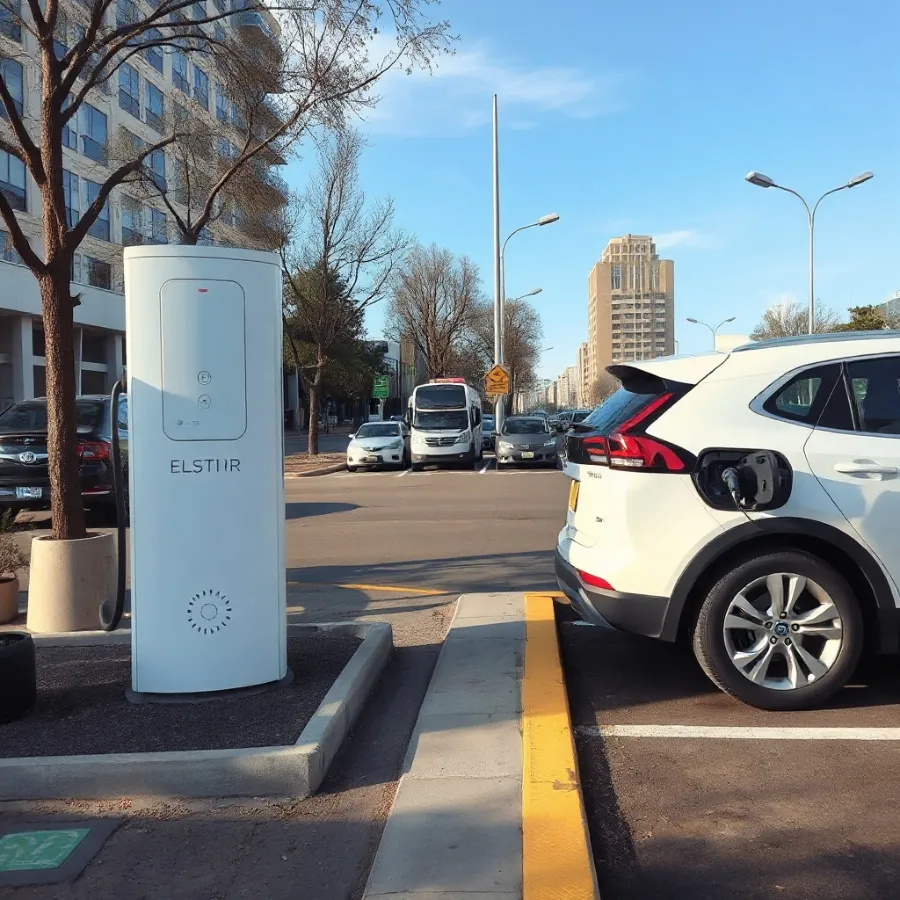
IoT-enabled waste bins that report their fill level let collection trucks skip empty or near-empty bins entirely, cutting unnecessary trips. In cities that implemented this, overflow incidents dropped 80% — meaning fewer emergency pickup trips AND fewer routine trips wasted on nearly-empty bins, both reducing fuel use and emissions from the collection fleet.
The Market Is Scaling Fast

The global smart city IoT market is projected to grow from $130.6 billion in 2021 to $312.2 billion by 2026 — a 19% compound annual growth rate. That capital is following the measured results above: smart grids, integrated sensor networks, and IoT-enabled waste systems producing real, quantifiable emissions and efficiency gains, not speculative projections.
One-Minute Recap
- Smart grids: 15% lower energy use; renewable integration: ~12% lower per-capita emissions (China study).
- Barcelona: thousands of sensors monitoring air quality/noise/traffic/energy simultaneously.
- Songdo: underground waste networks + real-time traffic/lighting adjustment.
- IoT waste bins: 80% fewer overflow incidents in some deployments.
- Global market: $130.6B (2021) → $312.2B (2026 projected), 19% CAGR.
IoT in sustainable engineering is worth a closer look for the full picture.
How much do smart city IoT sensors actually reduce emissions?
Real studies show measurable results: smart grids can cut energy use by 15%, and renewable integration reduces per-capita emissions by about 12%, based on China-focused research.
What IoT systems does Barcelona use to reduce emissions?
Barcelona has deployed thousands of IoT sensors monitoring air quality, noise, traffic flow, and public building energy usage, feeding real-time data into traffic management systems that reduce congestion and emissions.
How does Songdo, South Korea use IoT for sustainability?
Songdo uses underground pneumatic networks for waste collection (eliminating collection trucks), real-time traffic and lighting adjustment, and building sensors linked to a central city-management system.
Do smart waste bins actually help reduce emissions?
Yes — IoT-enabled waste bins that report fill levels let trucks skip near-empty bins, and in some cities this cut overflow incidents by 80%, reducing both emergency and unnecessary routine collection trips.
How big is the smart city IoT market?
The global smart city IoT market is projected to grow from $130.6 billion in 2021 to $312.2 billion by 2026, a 19% compound annual growth rate.
Are smart city IoT benefits proven or just projected?
Both — deployments in Barcelona, Songdo, and China-based smart grid studies show measured, real-world results, not just theoretical projections, though the scale of deployment still varies significantly by city.
Sources and Further Reading
Related Posts


Leave a Comment
Your comment will be published after it has been approved. Please send comments that do not contain slang words.