
Why Tesla Plaid Motors Arent Enough to Power Commercial Airplanes
Updated September 2, 2026 · 2 min read
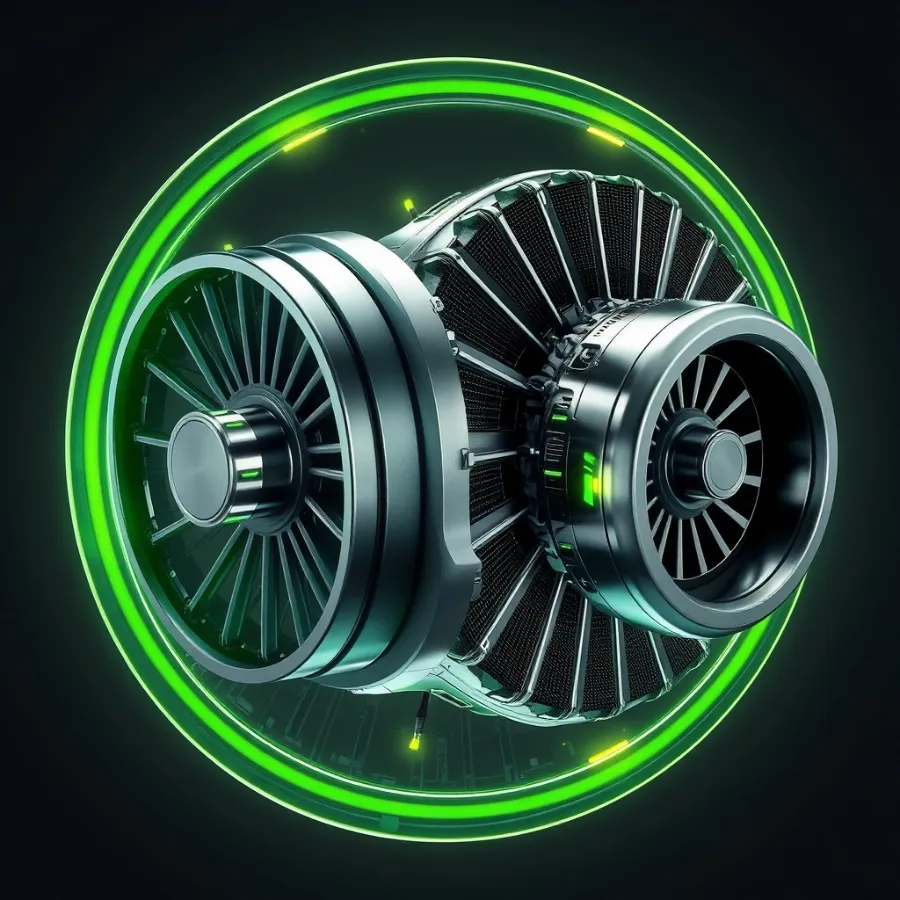
Electric vehicles have gained significant popularity in recent years, with Tesla leading the way in innovation and technology. The introduction of Tesla Plaid Motors has raised the question: can this advanced technology be used to power commercial airplanes? While the idea may seem appealing at first glance, there are several reasons why Tesla Plaid Motors alone may not be enough to meet the power demands of commercial aircraft.
The Limitations of Tesla Plaid Motors in Aviation 65 words
Tesla Plaid Motors are designed for high-performance electric cars, not for the unique power requirements of commercial airplanes. The power output and energy density needed to propel an aircraft through the sky far exceed what current electric motors can provide. Additionally, factors such as weight, size, and safety regulations present significant challenges when considering the use of Tesla Plaid Motors in aviation.
The Challenges of Scaling Up for Aircraft Use 125 words
Adapting Tesla Plaid Motors for use in commercial airplanes would require significant modifications and advancements in technology. Scaling up the power output to meet the demands of larger aircraft would involve overcoming engineering obstacles related to efficiency, weight distribution, and energy storage. The aerodynamic design and structural integrity of an aircraft are crucial considerations that must be addressed to ensure safe and reliable operation with electric propulsion.
The Need for Sustainable Aviation Solutions 95 words
While electric propulsion holds promise for reducing emissions in aviation, a holistic approach to sustainable aviation solutions is necessary. In addition to power source innovations, advancements in battery technology, charging infrastructure, and aerodynamic efficiency are essential for the widespread adoption of electric aircraft. Collaborative efforts between industry stakeholders, researchers, and policymakers are crucial to developing comprehensive solutions that address the environmental impact of air travel.
Integrating Tesla Plaid Motors with Hybrid Systems 165 words
One potential solution to the limitations of Tesla Plaid Motors in aviation is the integration of hybrid propulsion systems. By combining electric motors with traditional fuel-powered engines, hybrid aircraft can benefit from the efficiency and environmental advantages of electric propulsion while maintaining the range and power capabilities required for long-haul flights. This hybrid approach allows for a gradual transition towards fully electric aviation while mitigating the challenges associated with current battery technology limitations.
Overcoming the Hurdles Towards Electric Aviation 125 words
As the aviation industry continues to explore electric propulsion technologies, overcoming the hurdles towards electric aviation remains a complex and multifaceted task. Research and development efforts focused on improving battery performance, power distribution systems, and aircraft design are essential for the successful integration of electric propulsion in commercial airplanes. Collaboration, innovation, and a long-term strategic vision will be key in realizing the potential of electric aviation for a sustainable future.
Related guides: Tesla Cybertruck Exoskeleton Technology: Is It Light Enough for Wings?, Will the Tesla Plane Be a Private Jet or a Commercial Airliner?, How Much Power Would an Electric Tesla Jet Need to Take Off?
Sources and Further Reading
Related Posts


Leave a Comment
Your comment will be published after it has been approved. Please send comments that do not contain slang words.