
Are electric airplanes safe
Updated September 18, 2026 · 5 min read
Electric airplanes are a groundbreaking innovation in the aviation industry, offering a cleaner and more sustainable mode of air travel. As renewable energy sources become more prevalent, the prospect of electric airplanes has garnered significant interest from both industry experts and the general public. But the question remains: are electric airplanes safe?
Technology Overview
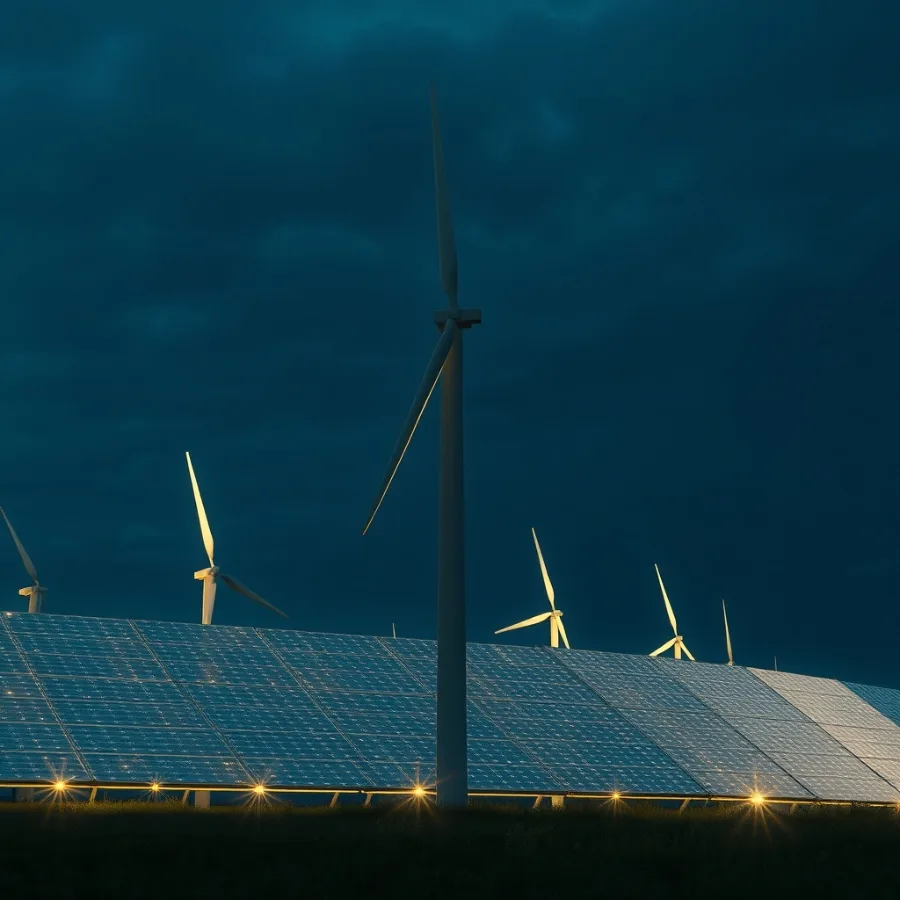
Electric airplanes utilize electric motors powered by batteries instead of traditional internal combustion engines fueled by jet fuel. These batteries can be charged using renewable energy sources such as solar or wind power, reducing carbon emissions significantly. The technology behind electric airplanes continues to evolve rapidly, with advancements in battery efficiency, motor power, and overall aircraft design.
One of the key advantages of electric airplanes is their reduced noise pollution compared to traditional aircraft. Electric motors are inherently quieter than jet engines, resulting in a more pleasant flying experience for passengers and reduced noise impact on surrounding communities.
Market and Industry Context
The electric aviation market is still in its early stages, with several companies developing electric aircraft prototypes for various applications. From small electric commuter planes to larger commercial airliners, the industry is exploring a wide range of possibilities for electric flight. Major aircraft manufacturers, as well as startups, are investing heavily in electric aviation research and development.
- Electric airplanes offer the potential for lower operating costs due to the lower cost of electricity compared to jet fuel.
- Regulatory agencies are working to establish safety standards and certification processes for electric aircraft to ensure their airworthiness.
- The environmental benefits of electric airplanes are driving interest from both airlines and passengers looking to reduce their carbon footprint.
Technical Explanation
Electric airplanes rely on a combination of advanced battery technology, electric motors, and aerodynamic design to achieve flight. The batteries store energy generated from renewable sources or the grid and power the electric motors, which drive the propellers or fans. The design of electric airplanes also focuses on reducing weight and maximizing efficiency to extend flight range and performance.
Regional GEO Analysis
Different regions around the world are embracing electric aviation at varying rates. The USA, Europe, China, the Middle East, and India are all seeing increased interest in electric aircraft development and deployment. Each region faces unique challenges and opportunities in integrating electric airplanes into their existing aviation infrastructure.
- The USA is home to several electric aircraft startups and research institutions, contributing to the growth of the electric aviation industry.
- Europe has established ambitious sustainability goals that include accelerating the adoption of electric airplanes to reduce carbon emissions from air travel.
- China is investing heavily in electric aviation technology as part of its broader clean energy initiatives and push for technological innovation.
Investor and Commercial Perspective
Investors in the electric aviation sector are betting on the long-term viability and profitability of electric airplanes. Companies developing electric aircraft are attracting funding from venture capital firms, government grants, and strategic partnerships with established aerospace companies. The commercial aviation sector is also exploring the potential for electric airplanes to transform the way people travel.
- Electric airplanes have the potential to open up new routes and markets that were previously not feasible with traditional aircraft.
- Airlines are exploring ways to incorporate electric airplanes into their fleets to reduce operating costs and carbon emissions.
Installation or Deployment Challenges
While electric airplanes hold promise for a more sustainable aviation future, there are significant challenges to overcome in their deployment. The limited energy density of current batteries constrains the range and payload capacity of electric aircraft. Charging infrastructure, battery recycling, and regulatory hurdles also pose obstacles to widespread adoption of electric airplanes.
- Developing fast-charging technology for electric airplanes is crucial to reducing turnaround times between flights and increasing operational efficiency.
- Ensuring the safety and reliability of electric aircraft systems requires rigorous testing and certification processes to meet aviation standards.
Future Predictions
The future of electric airplanes is bright, with continued advancements in battery technology, electric propulsion systems, and aircraft design. As the industry matures, we can expect to see more electric aircraft entering service across various market segments. The integration of electric airplanes into existing aviation infrastructure will require collaboration among industry stakeholders, regulatory agencies, and policymakers to ensure a smooth transition to electric flight.
Detailed Comparison Table
| Category | Details | Impact |
| Technology | Advanced battery technology, electric motors, aerodynamic design | Increased efficiency, reduced carbon emissions |
| Market | Early stages of development, growing interest from investors | Potential for new market opportunities, reduced operating costs |
| Challenges | Limited battery energy density, charging infrastructure, regulatory hurdles | Obstacles to widespread adoption, need for innovation |
Related Topics
Learn more about electric aviation technology and its impact on the aviation industry.
External Resources
For more information on electric airplanes, visit the following trusted sources:
Related guides: Why Tesla Plaid Motors Arent Enough to Power Commercial Airplanes, Small Modular Reactors (SMRs): The Future of Scalable and Safe Nuclear Energy Solutions, Are Flying Taxis Safe? Understanding eVTOL Redundancy and Safety Systems
Frequently Asked Questions
Are electric airplanes as safe as traditional aircraft?
Answer: Electric airplanes undergo rigorous safety testing and certification to ensure they meet aviation standards for airworthiness.
What are the main advantages of electric airplanes?
Answer: Electric airplanes offer reduced operating costs, lower carbon emissions, and quieter operation compared to traditional aircraft.
How are electric airplanes powered?
Answer: Electric airplanes use batteries charged by renewable energy sources to power electric motors that drive the propellers or fans.
What are the challenges facing the widespread adoption of electric airplanes?
Answer: Challenges include limited battery energy density, charging infrastructure, and regulatory hurdles that need to be addressed for electric airplanes to become mainstream.
What does the future hold for electric airplanes?
Answer: The future of electric airplanes looks promising, with continued advancements in technology and design driving their adoption across various aviation segments.
Final Industry Outlook
Electric airplanes represent a significant step forward in the quest for sustainable aviation. While challenges remain, the industry is making steady progress in developing electric aircraft that are safe, efficient, and environmentally friendly. With ongoing innovation and collaboration, electric airplanes have the potential to revolutionize the way we think about air travel.
Sources and Further Reading
Every figure on this page is dated and linked to its source. How we verify · Editorial policy · Report a correction
Related Posts


Leave a Comment
Your comment will be published after it has been approved. Please send comments that do not contain slang words.