Average Car CO2 Emissions By Country
Car CO2 emissions are typically measured in grams per kilometer (g/km) and provide a quantifiable way to understand the environmental impact of different vehicles.


Car CO2 emissions are typically measured in grams per kilometer (g/km) and provide a quantifiable way to understand the environmental impact of different vehicles.

According to the Environmental Protection Agency (EPA), the carbon intensity of EV battery manufacturing varies depending on the energy sources and production methods used by manufacturers.

An EV starts behind on manufacturing and ends ahead on use. What the EPA’s own figures say about the battery debt, the 87-91% efficiency that repays it, and the four variables that move break-even.

Net zero refers to the state where a city’s overall greenhouse gas emissions are equal to the amount of emissions removed from the atmosphere through offsetting measures such as carb

Zero emission describes the tailpipe, not the whole car. What the term measures, the EPA efficiency and lifecycle numbers behind it, and the tyre, brake and road emissions that no electric car removes.

Quick answer: Urban transport emissions typically make up 20-30% of a city’s total carbon footprint, and within that, private cars usually account for the largest single share — often 50-70% of transport emissions despite…

Quick answer: The carbon footprint of remote work is almost always lower than commuting to an office, but not by as much as intuition suggests — studies typically find full-time remote workers cut their work-related footprint by…

Climate tipping points are thresholds where a small additional amount of warming triggers a large, self-reinforcing, and often irreversible shift in a climate system — think of a light switch rather than a dimmer.

A statistic that often surprises people: despite carbon emissions having already been rising for roughly two and a half centuries by 1990, more than half of all cumulative human CO2 emissions in history have occurred since that…
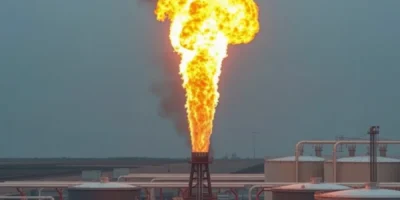
Methane is a potent greenhouse gas, with a much higher global warming potential than carbon dioxide over a 20-year period.