
Methane Emissions Explained
Updated September 18, 2026 · 2 min read
Table of Contents
- Sources of Methane Emissions
- Effects of Methane Emissions
- Mitigation Strategies for Methane Emissions
- Regional Impacts of Methane Emissions
- Frequently Asked Questions
Sources of Methane Emissions
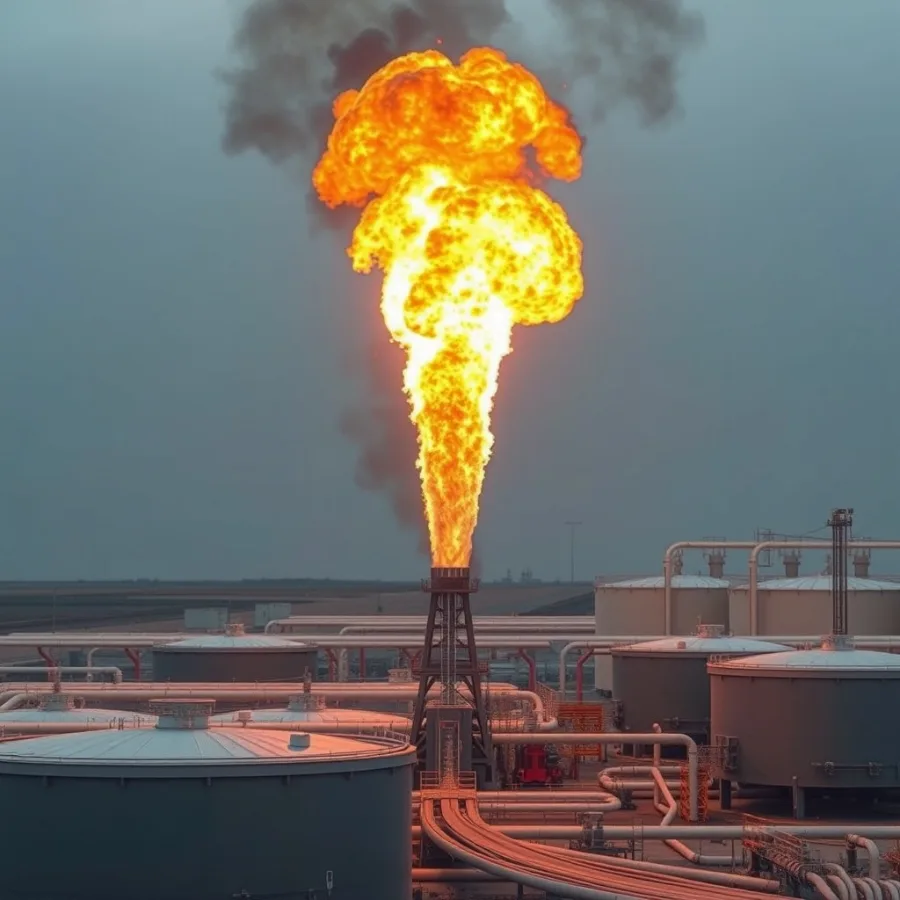
Methane is produced through natural processes like wetland decomposition and enteric fermentation in livestock, as well as human activities such as fossil fuel extraction, rice cultivation, and waste management. According to EPA, the main sources of methane emissions include:
- Oil and gas production
- Agriculture, including livestock digestion and manure management
- Landfills and waste treatment
- Coal mining
Effects of Methane Emissions
Methane is a potent greenhouse gas, with a much higher global warming potential than carbon dioxide over a 20-year period. Its presence in the atmosphere contributes to the trapping of heat, leading to increased temperatures and climate change. Methane also plays a role in the formation of ground-level ozone, a pollutant that can harm human health and the environment.
The IEA highlights that reducing methane emissions can have a significant impact on slowing global warming and improving air quality.
Mitigation Strategies for Methane Emissions
Effective mitigation of methane emissions involves implementing strategies at various stages of production, distribution, and use. Some key mitigation approaches include:
- Improving leak detection and repair in oil and gas operations
- Implementing anaerobic digesters in agriculture to capture methane from manure
- Enhancing landfill gas collection systems to capture methane for energy generation
- Promoting sustainable waste management practices to reduce methane release
Regional Impacts of Methane Emissions
- US: The US has taken steps to regulate methane emissions from various sectors, with a focus on reducing environmental impact.
- EU: The EU has implemented regulations to address methane emissions, aiming to meet climate targets and reduce pollution.
- China: China faces challenges with methane emissions from coal mining and agriculture, prompting efforts to improve monitoring and mitigation.
- India: In India, initiatives are underway to curb methane emissions from waste management and agricultural practices to combat climate change.
Related guides: How SpaceX Uses Methane Fuel to Drastically Reduce Rocket Emissions, Shipping Emissions Regulations By Country and High-Speed Rail Emissions.
Frequently Asked Questions
How do methane emissions contribute to climate change?
Methane is a potent greenhouse gas that traps heat in the atmosphere, leading to increased global temperatures and contributing to climate change.
What are some effective strategies for reducing methane emissions?
Implementing leak detection technologies, capturing methane from livestock operations, and improving waste management practices are effective strategies for reducing methane emissions.
How do methane emissions compare to other greenhouse gases?
Methane has a higher global warming potential than carbon dioxide over a 20-year period, making it a significant contributor to climate change despite being present in lower concentrations.
What role do regulations play in mitigating methane emissions?
Regulations help set standards for methane emissions across industries, driving the adoption of cleaner technologies and practices to reduce environmental impact.
TAGS: methane emissions, greenhouse gas, climate change, fossil fuels, environmental impact
Every figure on this page is dated and linked to its source. How we verify · Editorial policy · Report a correction
Related Posts


1 Comment
Informative read on methane emissions. Helpful insights on sources, effects, and mitigation strategies.
Leave a Comment
Your comment will be published after it has been approved. Please send comments that do not contain slang words.