
Electric Cars vs Gas Cars
Updated September 18, 2026 · 4 min read
Electric vehicles are revolutionizing the automotive industry, challenging the dominance of traditional gas-powered cars. In this in-depth analysis, we will explore the key differences between electric cars and gas cars, examining the technology, market trends, and future outlook of these two transportation solutions.
Technology Overview
Electric cars are powered by electric motors and rechargeable batteries, eliminating the need for gasoline or diesel. In contrast, gas cars rely on internal combustion engines that burn fossil fuels to generate power. The shift towards electric vehicles represents a significant advancement in clean energy technology, reducing greenhouse gas emissions and dependence on finite resources.
Electric cars offer several advantages over gas cars, including lower operating costs, reduced environmental impact, and smoother, quieter operation. However, challenges such as limited range, longer refueling times, and the availability of charging infrastructure continue to impact their widespread adoption.
Market and Industry Context
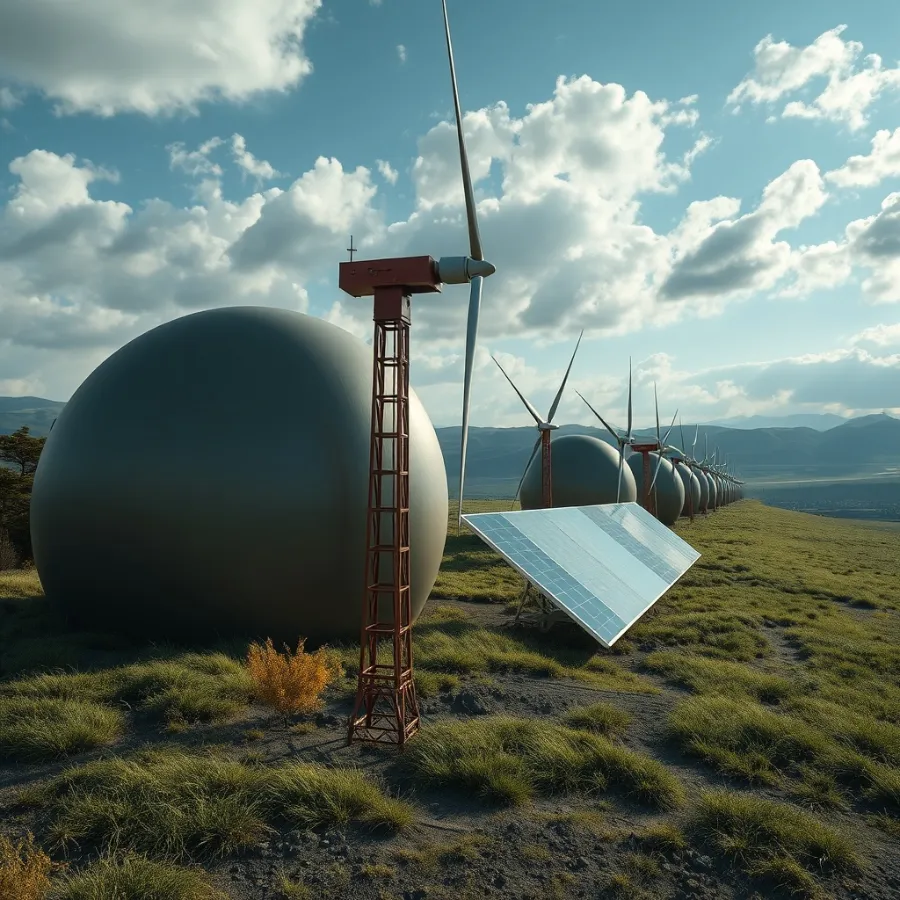
The electric vehicle market is experiencing rapid growth, driven by government incentives, environmental regulations, and changing consumer preferences. Countries like the USA, Europe, China, and India are leading the shift towards electric mobility, with significant investments in charging infrastructure and renewable energy generation.
- Government incentives and subsidies play a crucial role in promoting electric vehicle adoption.
- Automakers are investing heavily in electric vehicle technology to meet growing demand.
- Charging infrastructure development is a key focus area for industry stakeholders.
Technical Explanation
Electric cars use lithium-ion batteries to store and deliver energy to the electric motor, converting electrical energy into mechanical power. This direct conversion process is more efficient than the combustion of fossil fuels in traditional gas cars, resulting in lower energy losses and reduced emissions.
- Regenerative braking systems in electric cars capture and store energy that would otherwise be wasted during deceleration.
- Electric motors provide instant torque, delivering quick acceleration and responsive performance.
- Battery technology advancements are driving improvements in energy density, range, and charging speed.
Regional GEO Analysis
The adoption of electric vehicles varies by region, influenced by factors such as infrastructure development, government policies, and consumer awareness. While Europe leads in electric vehicle sales, countries like China and India are ramping up efforts to transition to electric mobility and reduce carbon emissions.
Investor and Commercial Perspective
Investors are increasingly focusing on clean energy technologies, including electric vehicles, as part of sustainable investment strategies. Companies involved in electric vehicle manufacturing, charging infrastructure, and battery production are attracting significant capital as the market continues to expand.
Installation or Deployment Challenges
The widespread adoption of electric vehicles faces challenges related to charging infrastructure, battery technology, and consumer acceptance. Addressing these challenges requires collaboration between automakers, policymakers, utilities, and technology providers to create a seamless and efficient electric mobility ecosystem.
Future Predictions
The future of transportation is electric, with electric vehicles projected to dominate the automotive market in the coming decades. Advances in battery technology, renewable energy integration, and smart grid solutions will drive the growth of electric mobility and accelerate the transition away from fossil fuels.
Detailed Comparison Table
| Category | Electric Cars | Gas Cars |
| Power Source | Electric motors and batteries | Internal combustion engines |
| Environmental Impact | Reduced emissions, lower carbon footprint | Higher emissions, reliance on fossil fuels |
| Operating Costs | Lower maintenance, cheaper fuel | Higher maintenance, fuel costs |
| Range | Varies by model, improving with technology | Consistent, dependent on fuel tank capacity |
Related Topics
Explore more about renewable energy technologies.
Learn about the future of electric mobility.
Discover how battery technology is shaping the automotive industry.
External Resources
For more information, visit the National Renewable Energy Laboratory (NREL).
Access reports from the International Energy Agency (IEA) for industry insights.
Related guides: Electric Vehicle Maintenance Costs Compared to Gas Cars, EV vs Gas Cars and When Will Gas Cars Be Banned? Global Country-by-Country Timeline.
Frequently Asked Questions
Are electric cars more expensive than gas cars?
While electric cars may have a higher upfront cost, they often offer lower operating costs over time, balancing out the initial investment.
How long does it take to charge an electric car?
Charging times vary depending on the vehicle and charging infrastructure, with fast-charging options available for quicker refueling.
What is the environmental impact of electric vehicles?
Electric vehicles produce fewer emissions than gas cars, especially when charged with renewable energy sources.
Can electric cars travel long distances?
Advancements in battery technology are extending the range of electric vehicles, making long-distance travel more feasible.
Is the charging infrastructure sufficient for widespread electric vehicle adoption?
Charging infrastructure is expanding rapidly, but further development is needed to support the growing number of electric vehicles on the road.
Final Industry Outlook
The shift towards electric mobility represents a significant step towards a cleaner, more sustainable transportation future. As technology advances and infrastructure improves, electric vehicles will play a crucial role in reducing emissions, enhancing energy efficiency, and reshaping the automotive industry.
Sources and Further Reading
- IEA – Data and Statistics
- IPCC – Assessment Reports
- Our World in Data – CO₂ and Greenhouse Gas Emissions
Every figure on this page is dated and linked to its source. How we verify · Editorial policy · Report a correction
Related Posts

Leave a Comment
Your comment will be published after it has been approved. Please send comments that do not contain slang words.