
Net Zero Cities
Updated September 18, 2026 · 3 min read
Table of Contents
- What is Net Zero?
- Benefits of Net Zero Cities
- Key Strategies for Achieving Net Zero
- Case Studies of Net Zero Cities
- Challenges and Solutions
- Future Trends in Net Zero Cities
What is Net Zero?
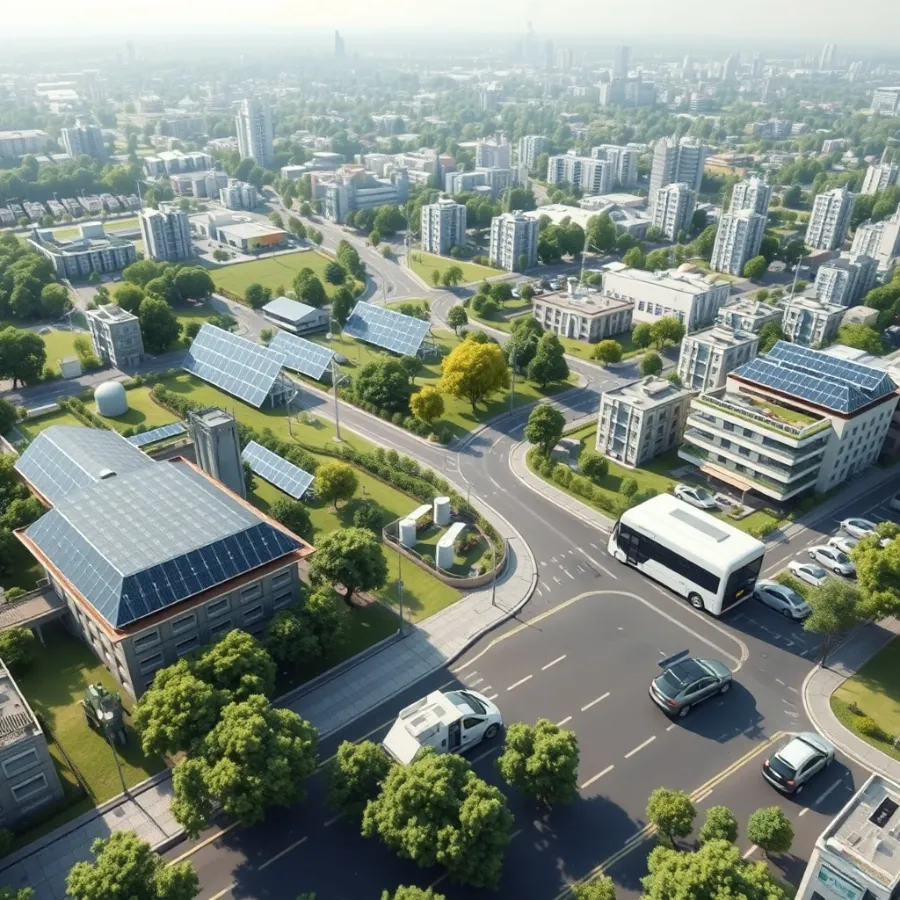
Net zero refers to the state where a city’s overall greenhouse gas emissions are equal to the amount of emissions removed from the atmosphere through offsetting measures such as carbon sequestration or renewable energy production. Achieving net zero status requires a comprehensive approach that addresses emissions from various sectors, including transportation, buildings, and energy generation.
- https://zerocarbondrive.com/diesel-vs-electric-emissions/
Benefits of Net Zero Cities
Net zero cities offer a range of benefits, including reduced air pollution, improved public health, lower energy costs, and enhanced resilience to climate change impacts. By transitioning to clean energy sources and sustainable practices, these cities create healthier and more livable environments for residents while contributing to global efforts to mitigate climate change.
- Improved air quality
- Lower energy costs for residents and businesses
- Enhanced climate resilience
- Creation of green jobs in renewable energy sector
Key Strategies for Achieving Net Zero
Several key strategies are crucial for cities to achieve net zero status, including:
- Transitioning to renewable energy sources such as solar and wind power
- Implementing energy-efficient building standards and sustainable urban planning
- Promoting public transportation and active mobility options
- Adopting smart technologies for energy management and emissions monitoring
Case Studies of Net Zero Cities
Several cities around the world have made significant progress towards becoming net zero, showcasing the feasibility and benefits of sustainable urban development. Examples include:
- Copenhagen, Denmark: Known for its extensive bike lanes and commitment to renewable energy
- Stockholm, Sweden: A leader in district heating systems and energy-efficient buildings
- San Francisco, USA: Implementing innovative waste management and green building policies
- Curitiba, Brazil: Pioneering sustainable urban planning and public transportation systems
Challenges and Solutions
While the transition to net zero cities presents numerous challenges, such as the high initial costs of infrastructure upgrades and the need for behavior change, innovative solutions are emerging to address these obstacles. By leveraging funding mechanisms, engaging stakeholders, and fostering collaboration between government, businesses, and communities, cities can overcome barriers to sustainability and accelerate their journey towards net zero.
- https://zerocarbondrive.com/smart-traffic-systems/
Future Trends in Net Zero Cities
Looking ahead, future trends in net zero cities are likely to focus on advanced technologies, data-driven decision-making, and increased integration of renewable energy systems. As the urgency of climate action grows, cities will continue to innovate and collaborate to achieve ambitious emissions reduction targets and create sustainable, thriving communities.
- Integration of electric vehicle charging infrastructure
- Expansion of green spaces and urban forests
- Development of circular economy practices
- Implementation of smart grid systems for energy optimization
Region-Specific Approaches
- US: Initiatives focus on reducing reliance on fossil fuels and promoting clean energy investments
- EU: Leading efforts in renewable energy adoption and sustainable transport solutions
- China: Implementing large-scale renewable energy projects and green infrastructure developments
- India: Emphasizing sustainable urban planning and clean energy transitions in major cities
Related guides: Net Zero 2050 Climate Goals, What Is Net Zero Transport and Corporate Net Zero Targets.
Frequently Asked Questions
How do net zero cities reduce emissions?
Net zero cities reduce emissions by transitioning to renewable energy sources, improving energy efficiency, promoting sustainable transportation, and implementing green infrastructure projects.
What role do smart technologies play in net zero cities?
Smart technologies play a crucial role in net zero cities by enabling real-time monitoring of energy consumption, optimizing resource use, and enhancing overall sustainability efforts.
Are net zero cities a realistic goal for the future?
Yes, net zero cities are a realistic and achievable goal for the future, given the increasing urgency to combat climate change and the availability of technologies and strategies to reduce emissions effectively.
How can individuals contribute to the transition to net zero cities?
Individuals can contribute to the transition to net zero cities by adopting sustainable practices such as using public transportation, reducing energy consumption, supporting renewable energy initiatives, and advocating for environmentally friendly policies.
TAGS: net zero cities, emissions reduction, sustainable urban planning, clean energy, smart infrastructure, climate action
Sources and Further Reading
- IEA – Data and Statistics
- IPCC – Assessment Reports
- Our World in Data – CO₂ and Greenhouse Gas Emissions
Every figure on this page is dated and linked to its source. How we verify · Editorial policy · Report a correction
Related Posts



1 Comment
"Net Zero Cities really inspired me to make changes for a more sustainable future!"
Leave a Comment
Your comment will be published after it has been approved. Please send comments that do not contain slang words.