
CO2 Emissions From Flying
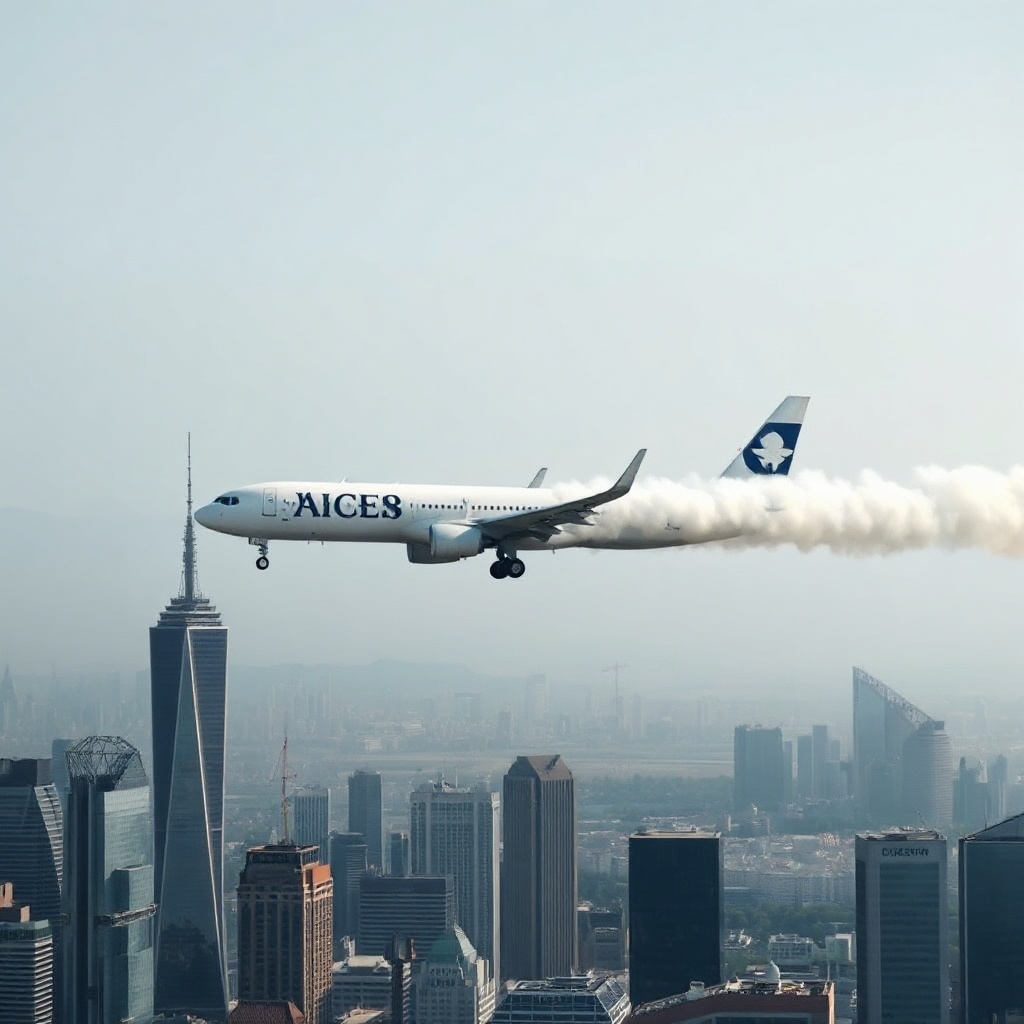
Updated September 18, 2026 · 2 min read
Table of Contents
- How CO2 Emissions Are Measured
- Impact of Aviation Emissions
- Strategies to Reduce Emissions
- Regional Comparison
- Frequently Asked Questions
How CO2 Emissions Are Measured
CO2 emissions from flying are typically measured in grams of CO2 per passenger kilometer. This metric takes into account the distance traveled by a passenger and the amount of CO2 emitted during the flight. Airlines and regulatory bodies use this measurement to assess the environmental impact of air travel.
- For more information on emissions in different vehicle types, visit Zero Carbon Drive
Impact of Aviation Emissions
The environmental impact of aviation emissions goes beyond just CO2. Aircraft emissions also include nitrogen oxides, water vapor, and particulate matter, all of which contribute to climate change and air quality issues. Understanding the full impact of flying is essential in developing effective mitigation strategies.
- Learn more about smart traffic systems and their role in reducing emissions at Zero Carbon Drive
Strategies to Reduce Emissions
Reducing CO2 emissions from flying requires a multi-faceted approach. This can include investing in sustainable aviation fuels, improving aircraft efficiency, optimizing flight routes, and implementing carbon offset programs. By combining these strategies, the aviation industry can work towards a more sustainable future.
- Explore the latest trends in urban mobility at Zero Carbon Drive
Regional Comparison
- US: The US aviation industry is a significant contributor to global aviation emissions, with a focus on improving fuel efficiency and exploring alternative fuels.
- EU: The European Union has implemented emissions trading schemes and strict regulations to reduce aviation emissions.
- China: China’s rapidly growing aviation sector faces challenges in balancing growth with emissions reduction targets.
- India: India is investing in sustainable aviation initiatives to curb emissions while meeting increasing demand for air travel.
Related guides: CO2 Emissions Per Mile By Vehicle Type, Average Car CO2 Emissions By Country and Diesel Car CO2 Emissions.
Frequently Asked Questions
How do aviation emissions compare to other transportation sectors?
Aviation emissions comprise a smaller portion of total global emissions compared to road transportation, but they have a higher impact due to emissions released at high altitudes.
What are the main challenges in reducing CO2 emissions from flying?
Challenges include the limited availability of sustainable aviation fuels, technological constraints in aircraft design, and the need for international cooperation to address emissions on a global scale.
Can individuals make a difference in reducing their air travel emissions?
Individuals can reduce their carbon footprint from flying by choosing direct flights, flying economy class, and supporting airlines that invest in carbon offset programs and sustainable practices.
How do regulatory bodies monitor and enforce emissions standards in the aviation industry?
Regulatory bodies such as the International Civil Aviation Organization (ICAO) set emissions standards and work with airlines to track and report their emissions. Compliance with these standards is essential for reducing the environmental impact of air travel.
TAGS: CO2 emissions, aviation emissions, carbon footprint, air travel, climate change, sustainable aviation
Sources and Further Reading
Every figure on this page is dated and linked to its source. How we verify · Editorial policy · Report a correction
Related Posts
Leave a Comment
Your comment will be published after it has been approved. Please send comments that do not contain slang words.