
AI impact on traffic management
Updated September 2, 2026 · 4 min read
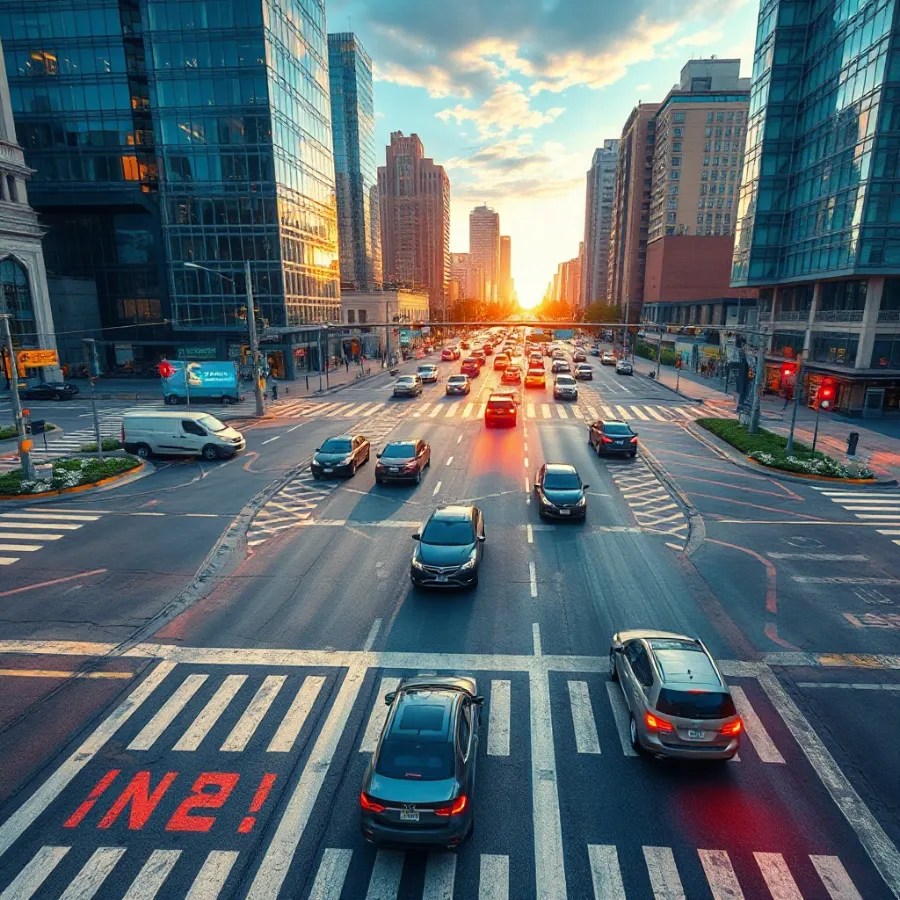
- AI impact on traffic management is now measurable in real cities: Tucson saw 24% smoother commutes and 30% fewer red-light violations after deploying adaptive AI signals.
- Phoenix’s AI signal expansion cut afternoon delays by 29% near major venues and reduced CO2 emissions equivalent to removing 200 cars a year.
- Studies show AI-driven signal systems can cut travel times by 25-40% in some deployments — largely by adapting to real-time demand instead of fixed timing.
- The core technology stack combines reinforcement learning, vehicle-detection AI (YOLOv8), and real-time sensor data (lidar, cameras) to retime signals dynamically.
The AI impact on traffic management stopped being theoretical in 2025-2026 — real cities are publishing real numbers. Tucson’s AI-driven adaptive signal rollout produced 24% smoother commutes and 30% fewer red-light running violations; Phoenix’s expansion cut afternoon delays near major venues by 29% while reducing emissions by an amount equivalent to removing 200 cars from the road annually.
Real City Results, Side by Side
| City | Result |
|---|---|
| Tucson, AZ | 24% smoother commutes, 30% fewer red-light violations |
| Phoenix, AZ | 25+ new AI signals near major venues; 29% fewer afternoon delays; CO2 cut equal to removing ~200 cars/year |
| Uttar Pradesh, India (2026) | India’s first indigenous AI real-time traffic analytics platform; significant congestion decline in Prayagraj and Ghaziabad |
| General findings across deployments | 25-40% travel time reductions reported in some AI-driven signal systems |
How the Technology Actually Works
| Component | Role |
|---|---|
| Reinforcement learning | Adaptive signal control — learns optimal timing from ongoing traffic patterns rather than fixed schedules |
| LSTM (neural network type) | Predicts traffic flow ahead of time, not just reacting to current conditions |
| YOLOv8 / DeepSORT | Real-time vehicle detection and multi-object tracking from camera feeds |
| Lidar sensors | Continuous environmental data streams to dynamically optimize timing across all approach lanes |
Why Fixed-Timing Signals Waste So Much
Traditional traffic signals run on fixed or lightly time-of-day-adjusted schedules that don’t respond to actual, real-time demand — a light might hold a green phase for an empty lane while cars queue on a busy cross-street. AI-adaptive systems replace that with continuous, sensor-driven retiming, which is the core mechanism behind the 25-40% travel-time reductions some cities report.
The Emissions Angle
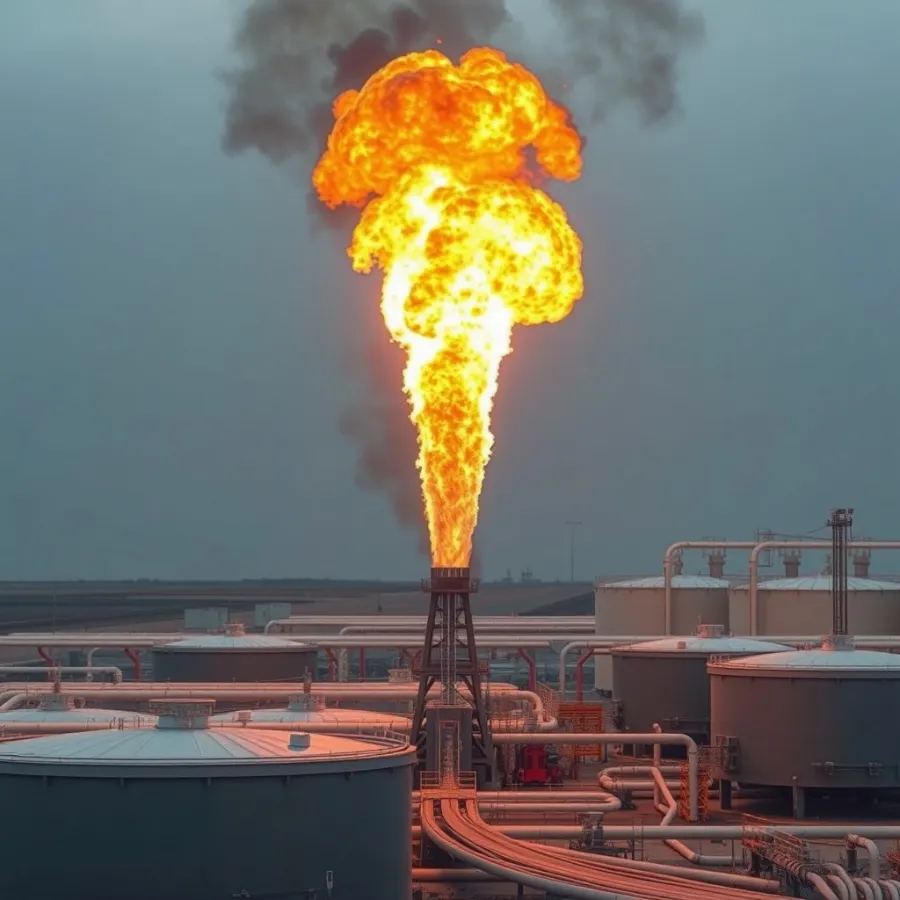
Less idling and stop-and-go driving directly cuts fuel burn and emissions — Phoenix’s reported reduction (equivalent to removing roughly 200 cars a year) came specifically from smoother signal timing near high-traffic venues, not from any change in the number of vehicles on the road. This makes AI traffic management one of the lower-cost emissions levers available to a city, since it works with existing roads and vehicles rather than requiring new infrastructure.
What’s Still Limiting Wider Rollout
- Sensor and camera infrastructure costs — a full lidar/camera buildout at every intersection is a real capital expense.
- Integration with legacy signal hardware — many cities run older signal controllers that need retrofitting or replacement.
- Data and privacy governance — camera-based vehicle tracking raises the same data-privacy questions increasingly facing connected vehicles generally.
One-Minute Recap
- Tucson: 24% smoother commutes, 30% fewer red-light violations after AI signal deployment.
- Phoenix: 29% fewer afternoon delays, emissions cut equal to ~200 cars/year.
- Some AI-driven systems report 25-40% overall travel-time reductions.
- Core tech: reinforcement learning + real-time vehicle detection (YOLOv8) + lidar/camera sensing.
smart city IoT sensors is worth a closer look for the full picture.
traffic and emissions data is worth a closer look for the full picture.
how AI supports climate action is worth a closer look for the full picture.
How much does AI actually improve traffic flow?
Real deployments report meaningful gains: Tucson saw 24% smoother commutes and 30% fewer red-light violations, Phoenix cut afternoon delays by 29%, and some studies report travel-time reductions of 25-40% overall.
Does AI traffic management actually reduce emissions?
Yes, indirectly through reduced idling and stop-and-go driving. Phoenix’s AI signal expansion cut emissions equivalent to removing about 200 cars from the road per year, without reducing actual vehicle counts.
What AI technology powers smart traffic signals?
Typically a combination of reinforcement learning for adaptive signal timing, LSTM neural networks for traffic flow prediction, and real-time vehicle detection systems like YOLOv8 combined with lidar and camera sensors.
Which cities have deployed AI traffic management successfully?
Tucson and Phoenix, Arizona have published concrete results; Uttar Pradesh, India deployed an indigenous AI traffic analytics platform in 2026 with significant congestion reductions in cities like Prayagraj and Ghaziabad.
Why are traditional traffic signals inefficient?
Most run on fixed or lightly time-adjusted schedules that don’t respond to real-time demand, which can hold a green light for an empty lane while traffic queues elsewhere — AI-adaptive systems fix this with continuous sensor-driven retiming.
What’s slowing wider adoption of AI traffic management?
Sensor and camera infrastructure costs, the need to integrate with older legacy signal hardware, and data/privacy governance questions around camera-based vehicle tracking.
AI Impact on Traffic Management: Sources and Further Reading
Related Posts

Leave a Comment
Your comment will be published after it has been approved. Please send comments that do not contain slang words.