
How Traffic Increases CO2

Updated September 6, 2026 · 5 min read
As the world continues to rely heavily on automobiles and transportation, the impact of traffic on CO2 emissions is becoming a critical issue. Understanding how traffic contributes to the increase in CO2 levels is essential for developing sustainable solutions for the future.
The Role of Electric Vehicles in Reducing Carbon Emissions
Electric vehicles (EVs) have emerged as a promising solution to combat the rising CO2 levels caused by traditional gasoline-powered vehicles. By utilizing clean energy sources and emitting zero tailpipe emissions, EVs play a crucial role in reducing carbon emissions from the transportation sector.
However, the widespread adoption of EVs faces challenges such as charging infrastructure development, battery technology advancements, and consumer acceptance. Addressing these challenges is key to accelerating the transition to a cleaner transportation system.
Key Benefits of Electric Vehicles:
- Reduced greenhouse gas emissions
- Lower maintenance costs
- Energy efficiency
The Impact of Clean Energy on Future Mobility
Clean energy technologies, such as solar and wind power, are revolutionizing the way we think about transportation. By integrating renewable energy sources into the grid, we can power electric vehicles with clean electricity, further reducing the carbon footprint of transportation.
Additionally, advancements in energy storage and smart grid technologies play a vital role in enabling the seamless integration of clean energy into the transportation sector. These innovations pave the way for a sustainable future where mobility is powered by renewable sources.
Challenges in Implementing Clean Energy Solutions:
- Grid integration issues
- Intermittency of renewable sources
- Policy and regulatory barriers
The Transition to Sustainable Technology
The shift towards sustainable technology in the transportation sector requires a multidimensional approach that addresses not only the technological aspects but also the societal and environmental impacts. By promoting the adoption of clean energy solutions and incentivizing sustainable mobility practices, we can mitigate the adverse effects of traffic on CO2 emissions.
Furthermore, investing in research and development to enhance the efficiency and performance of electric vehicles and renewable energy technologies is crucial for achieving long-term sustainability goals.
Future Predictions for Sustainable Transportation:
- Increased electrification of the transportation sector
- Expansion of renewable energy infrastructure
- Integration of smart transportation systems
Regional Analysis: USA, Europe, China, Middle East, India
Each region faces unique challenges and opportunities in transitioning towards sustainable transportation systems. While some countries have made significant progress in promoting EV adoption and clean energy deployment, others are still in the early stages of transitioning away from fossil fuel-dependent transportation.
Collaboration between governments, industries, and communities is essential to accelerate the shift towards sustainable technology and reduce the overall carbon footprint of transportation on a global scale.
Key Market Trends in Sustainable Transportation:
- Government incentives for EV purchases
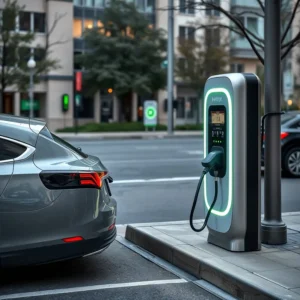
- Investments in charging infrastructure
- Public awareness campaigns on clean mobility
Investor Perspectives on Clean Energy
Investors play a crucial role in driving innovation and scalability in the clean energy sector. By funding research and development projects, venture capitalists and institutional investors support the growth of technologies that have the potential to transform the transportation industry and reduce CO2 emissions.
Understanding the financial implications of clean energy investments and the long-term benefits of sustainable transportation is key for attracting capital and accelerating the transition to a low-carbon economy.
Factors Influencing Investor Decisions:
- Policy stability and regulatory framework
- Market demand for clean energy solutions
- Risk mitigation strategies for sustainable investments
Challenges in Deploying Clean Energy Technologies
While the benefits of clean energy technologies are well-documented, the deployment of these solutions at scale presents various challenges. From infrastructure limitations to technological barriers, overcoming these obstacles requires a coordinated effort from stakeholders across the transportation and energy sectors.
Addressing installation challenges, grid integration issues, and consumer adoption barriers is essential for maximizing the environmental and economic benefits of clean energy technologies in the transportation sector.
Key Recommendations for Successful Deployment:
- Collaboration between utilities and automakers
- Standardization of charging protocols
- Educational campaigns on the benefits of clean transportation
Future Predictions for Sustainable Mobility
Looking ahead, the future of mobility is firmly rooted in sustainability and clean energy. As technology continues to advance and awareness of environmental issues grows, the transportation sector is poised for a transformation towards zero-emission solutions that mitigate the impact of traffic on CO2 emissions.
By embracing innovation, investing in infrastructure, and fostering a culture of sustainability, we can create a future where transportation is not only efficient and convenient but also environmentally friendly and socially responsible.
Long-Term Vision for Sustainable Mobility:
- Integration of autonomous vehicles
- Expansion of public transit systems
- Emphasis on multimodal transportation solutions
| Category | Details | Impact |
| Grid Integration | Challenges in integrating renewable energy into the grid | Ensuring stable and reliable power supply |
| Charging Infrastructure | Development of EV charging networks | Facilitating widespread adoption of electric vehicles |
| Policy Framework | Government regulations and incentives for clean energy | Driving investment in sustainable transportation |
Related Topics
Explore more about the impact of renewable energy on transportation in our in-depth analysis here. Learn about the latest trends in electric vehicle technology here. Discover how smart grid integration is shaping the future of clean energy here.
External Resources
For additional information on clean energy technologies, visit the following trusted sources:
National Renewable Energy Laboratory (NREL)
International Energy Agency (IEA)
Related guides: CO2 Emissions Per Mile By Vehicle Type, CO2 Emissions From Flying and Diesel Car CO2 Emissions.
Frequently Asked Questions
How do electric vehicles reduce carbon emissions?
Electric vehicles produce zero tailpipe emissions, reducing greenhouse gas emissions compared to traditional gasoline-powered vehicles.
What are the challenges in integrating renewable energy into the transportation sector?
Grid integration issues, intermittency of renewable sources, and policy barriers pose challenges to the seamless adoption of clean energy technologies in transportation.
Why are investors interested in clean energy solutions for transportation?
Investors see the potential for long-term growth and environmental impact in funding clean energy technologies that reduce CO2 emissions in the transportation sector.
How can consumers contribute to sustainable mobility?
Consumers can choose electric vehicles, use public transportation, and support policies that promote clean energy adoption to contribute to sustainable mobility.
What are the future trends in sustainable transportation?
The future of transportation is expected to include increased electrification, smart mobility solutions, and a shift towards zero-emission vehicles powered by renewable energy sources.
Related Posts

Leave a Comment
Your comment will be published after it has been approved. Please send comments that do not contain slang words.