
Carbon Emissions in Transportation
Updated September 2, 2026 · 4 min read
Carbon emissions in transportation have become a pressing issue in today’s world, with the increasing focus on sustainability and reducing our carbon footprint. This article will delve into the various aspects of carbon emissions in the transportation sector, exploring the challenges and opportunities for a cleaner, greener future.
Technology Overview
The transportation sector is a significant contributor to carbon emissions, accounting for a large portion of greenhouse gas emissions globally. The shift towards electric vehicles (EVs) and other clean energy technologies presents a promising solution to reduce emissions and combat climate change.
Electric vehicles, powered by electricity stored in batteries, produce zero tailpipe emissions, unlike traditional internal combustion engine vehicles that run on gasoline or diesel. Additionally, advancements in battery technology and charging infrastructure have made EVs more accessible and convenient for consumers.
Market and Industry Context
The electric vehicle market has been growing rapidly in recent years, driven by technological advancements, government incentives, and increasing consumer awareness of environmental issues. Major automakers are investing heavily in electric vehicle development, aiming to capture a share of the growing market demand for clean transportation solutions.
- Government incentives and subsidies play a crucial role in promoting the adoption of electric vehicles.
- Charging infrastructure development is essential to support the widespread adoption of EVs.
- Collaboration between automakers, technology companies, and governments is key to accelerating the transition to electric mobility.
Technical Explanation
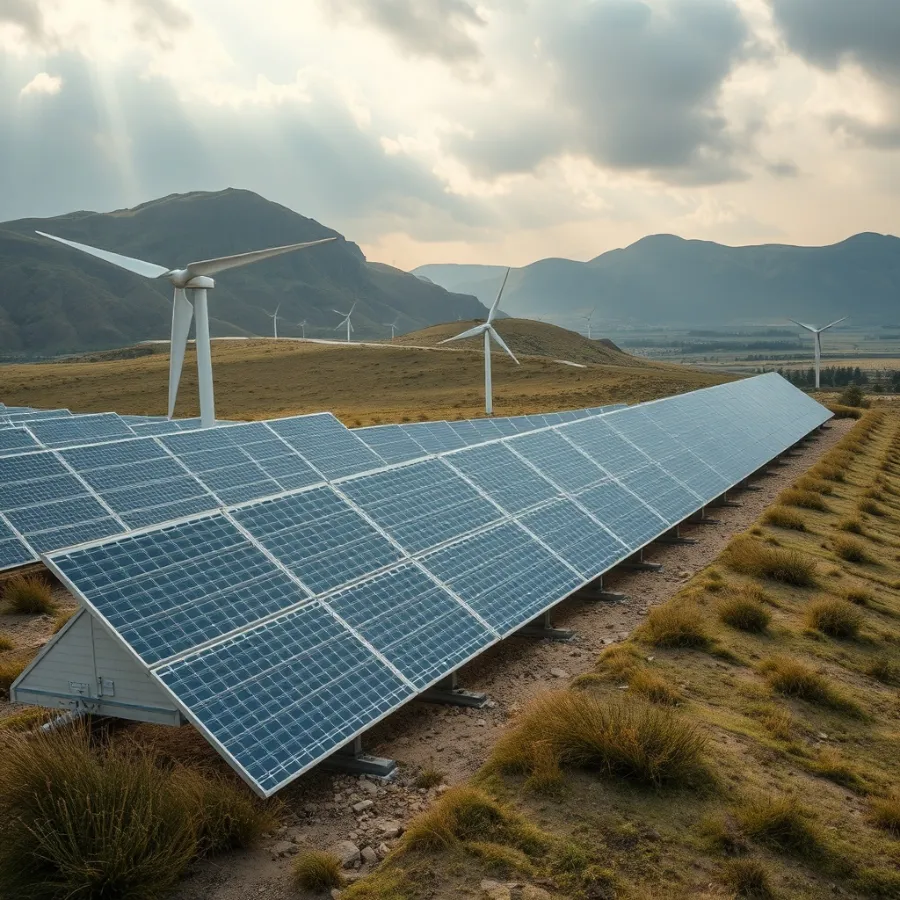
Electric vehicles operate using electric motors powered by rechargeable battery packs. These batteries can be charged using electricity from the grid, renewable sources such as solar or wind, or through regenerative braking systems that capture energy during deceleration. The efficiency of electric vehicles in converting energy into motion is higher than that of internal combustion engine vehicles, leading to lower energy consumption and reduced emissions.
| Category | Details | Impact |
| Electric Vehicles | Zero tailpipe emissions | Reduction in greenhouse gas emissions |
| Charging Infrastructure | Supports widespread adoption of EVs | Improves accessibility and convenience |
| Collaboration | Key to accelerating transition to electric mobility | Drives innovation and market growth |
Regional GEO Analysis
The adoption of electric vehicles varies by region, influenced by factors such as government policies, infrastructure development, and consumer preferences. Regions like Europe and China have seen significant growth in electric vehicle sales, driven by stringent emissions regulations and supportive government incentives.
- Europe: Leading the transition to electric mobility with ambitious emissions targets.
- China: Largest electric vehicle market due to government support and incentives.
- USA: Increasing focus on clean transportation, with a growing EV market presence.
Investor and Commercial Perspective
Investors and commercial entities are increasingly interested in clean energy and transportation solutions, recognizing the long-term potential for growth and sustainability. Investments in electric vehicle manufacturing, charging infrastructure, and renewable energy projects are on the rise, signaling a shift towards a low-carbon economy.
- Investments in EV technology and infrastructure are driving market innovation.
- Commercial fleets are transitioning to electric vehicles for cost savings and environmental benefits.
- Rising demand for sustainable transportation solutions is creating new business opportunities.
Installation or Deployment Challenges
Despite the benefits of electric vehicles, there are challenges to their widespread adoption, including range anxiety, charging infrastructure limitations, and high upfront costs. Addressing these challenges requires collaboration between governments, automakers, and other stakeholders to create a supportive ecosystem for electric mobility.
- Range anxiety: Concerns about the driving range of electric vehicles hinder adoption.
- Charging infrastructure: Insufficient charging stations limit the convenience of EV ownership.
- Cost: Higher upfront costs of EVs compared to traditional vehicles pose a barrier to entry.
Future Predictions
The future of transportation is increasingly electric, with a growing focus on sustainable, low-emission solutions. Advances in battery technology, renewable energy integration, and smart grid systems will drive the transition towards a cleaner, greener transportation sector. The electrification of transportation is not just a trend but a necessary step towards a more sustainable future.
Detailed Comparison Table
For a detailed comparison of electric vehicles versus traditional internal combustion engine vehicles, refer to the table below:
| Category | Electric Vehicles | Internal Combustion Engine Vehicles |
| Emissions | Zero tailpipe emissions | Emit greenhouse gases |
| Efficiency | Higher energy efficiency | Lower energy efficiency |
| Operating Costs | Lower fuel and maintenance costs | Higher fuel and maintenance costs |
Related Topics
For more information on electric vehicles and clean energy technologies, explore the following internal links:
- Electric Vehicle Charging Infrastructure
- Renewable Energy Integration
- Smart Grid Systems
External Resources
For authoritative insights on clean energy and transportation, refer to the following trusted external resources:
Related guides: transportation co2 emissions percentage, Sustainable Transportation Solutions Reducing Emissions and Can Transportation Become Carbon Neutral.
Frequently Asked Questions
How do electric vehicles reduce carbon emissions?
Electric vehicles produce zero tailpipe emissions, reducing greenhouse gas emissions associated with traditional internal combustion engine vehicles.
What are the challenges of transitioning to electric mobility?
Challenges include range anxiety, charging infrastructure limitations, and high upfront costs of electric vehicles.
Why are governments incentivizing the adoption of electric vehicles?
Government incentives promote the adoption of electric vehicles to reduce emissions, combat climate change, and drive innovation in the transportation sector.
What role do investors play in the clean energy transition?
Investors play a crucial role in funding clean energy projects, supporting the growth of renewable energy technologies and sustainable transportation solutions.
How can businesses benefit from transitioning to electric vehicles?
Businesses can benefit from cost savings, environmental sustainability, and market competitiveness by transitioning their fleets to electric vehicles.
Final Industry Outlook
The future of transportation lies in sustainable, low-emission solutions such as electric vehicles and clean energy technologies. By investing in clean transportation and reducing carbon emissions, we can create a more sustainable and environmentally friendly future for generations to come.
Related Posts

Leave a Comment
Your comment will be published after it has been approved. Please send comments that do not contain slang words.