
EV Charging Standards (2026): NACS vs CCS Explained
Updated September 2, 2026 · 3 min read
Last updated: September 1, 2026
For the practical buying side of the standards question, see NACS adapter compatibility.
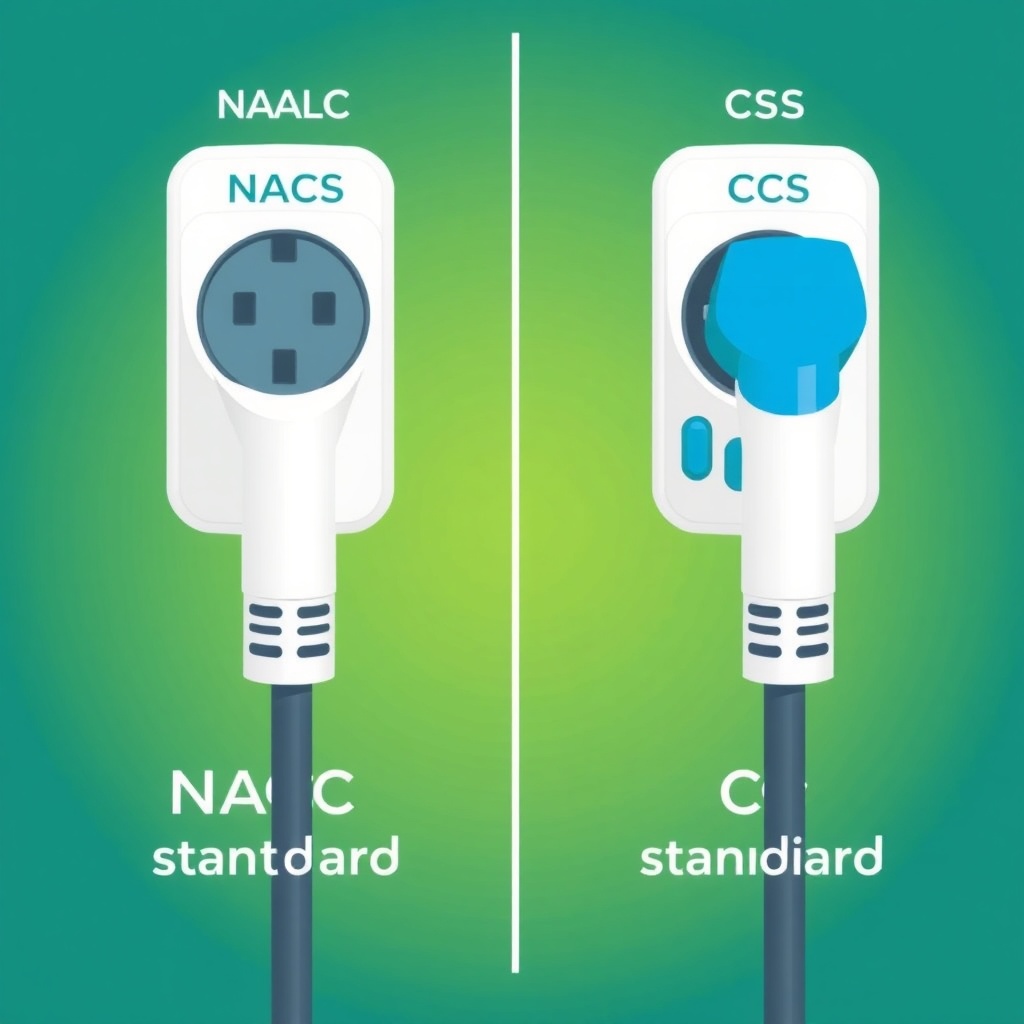
Quick answer: EV charging standards mostly come down to one live transition: NACS (Tesla’s connector, now the emerging US standard) replacing CCS (the older industry-wide standard) as automakers add native NACS ports or ship adapters. On the AC side, Type 1 (US) and Type 2 (Europe) remain the home/workplace standards. Check your specific car’s port before assuming any public charger works — the transition period means mismatches are common in 2026.
Key takeaways
- NACS is becoming the de facto US fast-charging standard as most major automakers commit to it, opening Tesla’s Supercharger network broadly.
- CCS remains widely deployed on existing infrastructure and will coexist with NACS for years via adapters.
- AC charging standards (Type 1 US, Type 2 Europe) are separate from DC fast-charging standards and rarely cause confusion.
- Always verify connector compatibility before a road trip — adapters bridge most gaps but aren’t universal.
The Current EV Charging Standards Landscape

| Standard | Type | Region/Status | Trajectory |
|---|---|---|---|
| NACS (Tesla connector) | AC + DC fast | US, becoming the emerging standard | Growing — most major automakers now adopting |
| CCS (Combined Charging System) | AC + DC fast | US/EU, long-standing standard | Widely deployed, coexisting via adapters |
| Type 1 (J1772) | AC only | US home/workplace charging | Stable, unaffected by the DC transition |
| Type 2 (Mennekes) | AC only | Europe home/workplace charging | Stable European standard |
| CHAdeMO | DC fast | Fading, mainly older Japanese models | Declining, being phased out |
Why NACS Is Winning the US Standard Fight
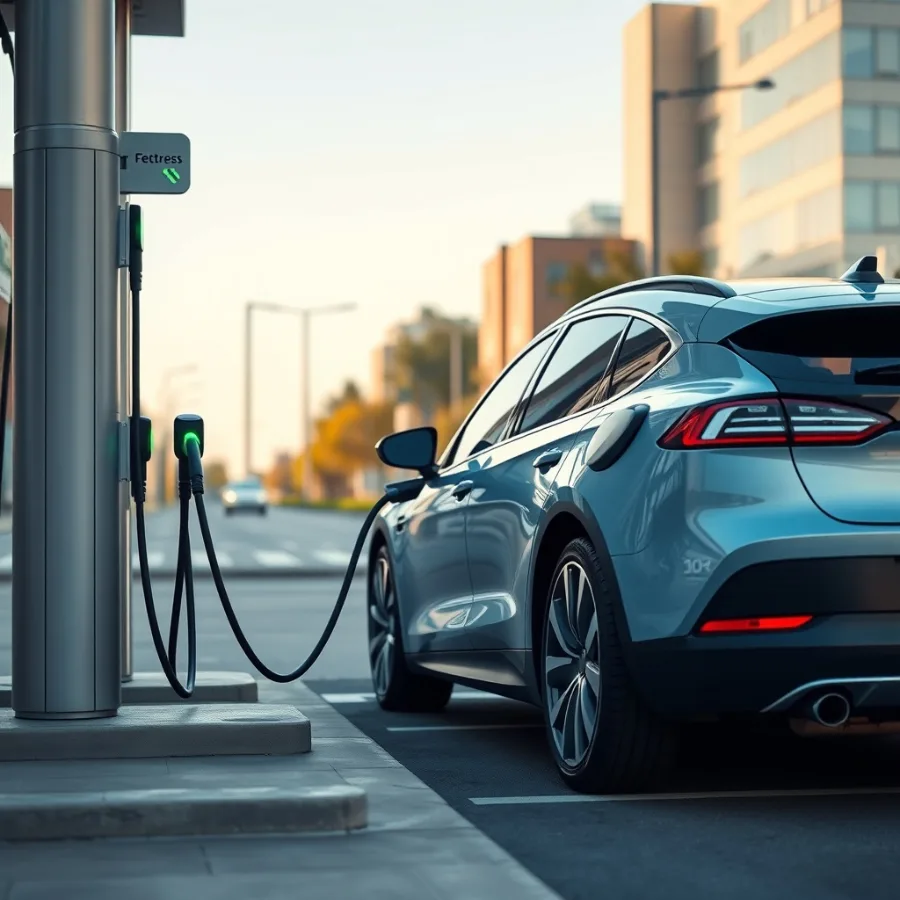
Tesla’s Supercharger network’s reliability and density made NACS an attractive target for other automakers to adopt rather than compete against, and once a critical mass of manufacturers committed, network effects took over — more cars using NACS makes it more attractive for charging networks to build NACS infrastructure, which makes it more attractive for the remaining automakers to adopt it too. The practical result for EV charging standards in 2026: NACS ports are increasingly standard on new models, CCS-to-NACS adapters bridge the gap for existing cars, and CCS-only public infrastructure is gradually being supplemented or converted rather than replaced overnight.
What This Means for Charging on the Road
- Check your car’s native port before any trip using unfamiliar networks — the answer determines whether you need an adapter.
- Keep an adapter in the car if your model needs one — CCS-to-NACS and NACS-to-CCS adapters are widely available and inexpensive relative to the flexibility they add.
- Home/AC charging is largely unaffected by this transition — Type 1 (US) ports and standards remain stable regardless of which DC fast-charging standard wins.
- Expect the transition to take years, not months — existing CCS infrastructure represents billions in sunk investment that won’t disappear quickly.

EV Charging Standards FAQ
What is the current standard for EV charging in the US?
NACS (Tesla’s connector) is becoming the emerging US standard for DC fast charging as most major automakers commit to it, while CCS remains widely deployed on existing infrastructure. Both coexist via adapters during the transition.
Do I need an adapter to charge my EV?
Depends on your car’s native port versus the charger’s connector. CCS-to-NACS and NACS-to-CCS adapters bridge most gaps during the current transition – check your specific model before a trip using unfamiliar networks.
Is CHAdeMO still relevant?
Largely no – it’s fading, found mainly on older Japanese models. New EV charging standards development has moved past it in favor of NACS and CCS, and CHAdeMO infrastructure is gradually being phased out.
Are home charging standards affected by the NACS/CCS transition?
No – AC home charging standards (Type 1 in the US, Type 2 in Europe) are separate from DC fast-charging standards and remain stable regardless of which fast-charging connector ultimately wins.
Why did Tesla’s connector become the emerging standard?
Network effects: Tesla’s Supercharger reliability and density made NACS attractive to other automakers, and once enough committed, it became more attractive for networks to build NACS infrastructure – a self-reinforcing cycle.
How long will the charging standards transition take?
Likely years, not months – existing CCS infrastructure represents massive sunk investment that will be supplemented and converted gradually rather than replaced overnight, meaning both standards will coexist for the foreseeable future.
Related Guides on ZeroCarbonDrive
- Fast charging explained — the beginner basics behind these standards
- Fast charging technology — the engineering behind modern charging speeds
- EV charging stations guide — networks and pricing by connector type
Sources and Further Reading
Related Posts


Leave a Comment
Your comment will be published after it has been approved. Please send comments that do not contain slang words.