
Electric Vehicle Battery Manufacturing: The Real 2026 Footprint
Updated September 2, 2026 · 5 min read
Last updated: September 1, 2026
Quick answer: Electric vehicle battery manufacturing runs through five stages — mining raw materials, refining them into battery-grade chemicals, making cathode/anode active materials, cell assembly, and pack integration. It is genuinely energy- and emissions-intensive (typically 40-70 kg CO2 per kWh of pack capacity, so 3-5 tonnes for a mid-size EV), which is why an EV “starts behind” a gas car on day one — and why lifecycle studies consistently show it pays that debt back within the first 1-2 years of driving, then wins for the rest of the car’s life.
Key takeaways
- Cell manufacturing (not mining, contrary to popular belief) is usually the single biggest emissions stage — it is extremely energy-intensive, and that energy’s source matters enormously.
- Where a gigafactory sits and what powers its grid can double or halve a pack’s manufacturing footprint for the identical chemistry.
- China, the US and Europe are racing to build domestic manufacturing capacity, each reshaping the supply chain’s emissions profile differently.
- Recycling and second-life reuse are starting to close the loop, reducing the mining share of future manufacturing.
The Five Stages of Electric Vehicle Battery Manufacturing

| Stage | What happens | Emissions driver |
|---|---|---|
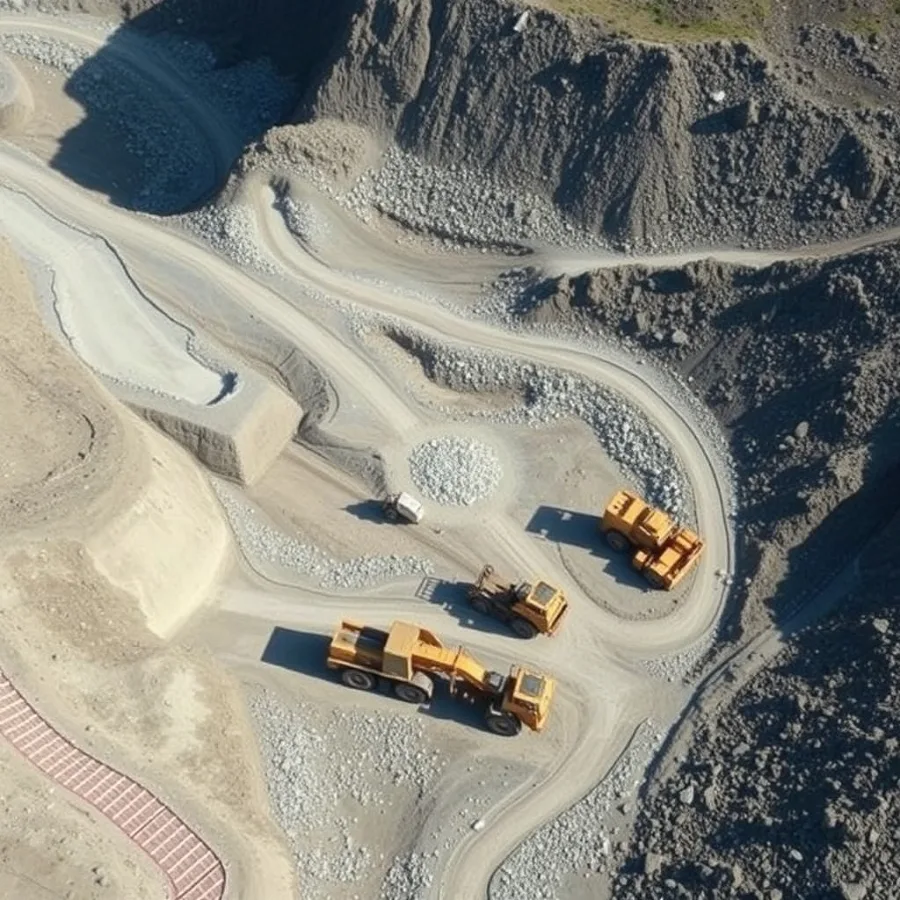
| 1. Mining | Extracting lithium, nickel, cobalt, manganese, graphite | Diesel equipment, land disturbance — smaller share than assumed |
| 2. Refining | Converting ore/brine into battery-grade chemicals | Heavy energy use, often coal-powered in current supply chains |
| 3. Active material production | Making cathode and anode powders | High-temperature processing, significant energy input |
| 4. Cell manufacturing | Coating, stacking/winding, electrolyte fill, formation cycling | Usually the single LARGEST emissions stage — dry rooms and formation are energy-hungry |
| 5. Pack assembly | Modules, cooling, battery management electronics, housing | Smaller share; mostly assembly energy and materials |
The counterintuitive finding across peer-reviewed lifecycle studies: cell manufacturing, not mining, is usually the largest single emissions stage in the whole electric vehicle battery manufacturing chain — the popular image of mining as the villain undersells how energy-intensive the factory floor itself is.
Why Location Changes Everything
The same battery chemistry, made in two different gigafactories, can carry very different footprints — because manufacturing emissions are dominated by electricity, and grids vary enormously in cleanliness. A cell plant powered mostly by coal can produce a pack with meaningfully higher embedded emissions than an identical plant running on hydro or nuclear power. This is the single biggest lever the industry has for cutting electric vehicle battery manufacturing emissions, and it explains why:
- Nordic and French gigafactories (hydro/nuclear-heavy grids) target some of the lowest manufacturing footprints in the industry.
- China’s dominant battery manufacturing base is decarbonizing its grid rapidly but still carries a heavier coal legacy than European counterparts.
- US gigafactory siting decisions increasingly weigh grid cleanliness alongside labor and incentives.

The Reshoring Race and What It Means for Emissions
The US, EU and China are all racing to build domestic battery manufacturing capacity — driven by supply chain security and industrial policy as much as climate goals. The emissions consequence is not automatically positive or negative: a new US gigafactory on a coal-heavy grid could carry a HIGHER footprint than importing from a hydro-powered Asian plant, while one built to run on renewables could set a new low. The trend worth watching is less “where” and more “how clean” — announced gigafactories increasingly commit to on-site renewables or grid-cleanliness targets specifically to win contracts from automakers under pressure to report supply-chain emissions.
Closing the Loop: Recycling’s Growing Role

Every tonne of lithium, nickel or cobalt recovered from a retired pack is a tonne that skips the highest-emission stages of electric vehicle battery manufacturing — mining and refining. As the first wave of EVs from the 2010s reaches end-of-life, recycling capacity is scaling globally, and our second life EV batteries guide covers the stage before recycling, where packs too weak for a car still serve years in stationary storage. The combined effect of second-life reuse plus recycling is expected to meaningfully lower the AVERAGE manufacturing footprint of a battery pack over the next decade, even before any chemistry changes.
What This Means for the “Are EVs Really Green?” Question
Manufacturing emissions are real, front-loaded, and worth taking seriously — dismissing them as anti-EV propaganda undersells honest science. But they are also only half the story. Every credible lifecycle analysis finds that even a battery-manufacturing-heavy EV overtakes a comparable gas car’s total emissions within the first 1-2 years of typical driving, then keeps winning for the vehicle’s remaining life — the full math is in our EV vs gas lifecycle guide. The honest summary: electric vehicle battery manufacturing is a real cost paid once, against a savings that compounds every year after.
For the broader question of extraction vs manufacturing, see our lithium battery carbon footprint guide.
National totals hide a lot — see our CO2 emissions country ranking for the per-capita truth.
How this manufacturing debt gets fully repaid over ownership is covered in our electric car carbon footprint guide.
What you would pay to replace one is covered in our EV battery replacement cost guide.
Electric Vehicle Battery Manufacturing FAQ
Cleaning up the factory floor matters too \u2014 see our broader look at green manufacturing strategies.
What produces the most emissions in EV battery manufacturing?
Cell manufacturing itself – the coating, stacking, electrolyte filling and formation-cycling stage – usually exceeds mining’s share, because it is extremely energy-intensive. Mining and refining still matter, but the factory floor is often the bigger emitter.
How much CO2 does making an EV battery produce?
Roughly 40-70 kg of CO2 per kWh of pack capacity across current supply chains, translating to about 3-5 tonnes for a typical mid-size EV pack. The exact number depends heavily on which grid powered the gigafactory.
Does where a battery is made matter for its footprint?
Enormously. The same chemistry made on a coal-heavy grid can carry a meaningfully higher footprint than one made on a hydro or nuclear grid, since electricity dominates manufacturing emissions. Grid cleanliness is the single biggest lever available.
Does building batteries in the US or Europe reduce emissions?
Not automatically – it depends on the local grid, not the location itself. Reshoring can lower or raise emissions depending on whether the new plant runs cleaner or dirtier power than the supply chain it replaces.
Does EV battery manufacturing cancel out the climate benefit?
No. Every credible lifecycle study finds an EV overtakes a comparable gas car’s total emissions within the first 1-2 years of driving despite the manufacturing debt, then keeps winning for the rest of the vehicle’s life.
Will battery manufacturing emissions fall over time?
Yes, on multiple fronts: cleaner gigafactory grids, growing recycling that skips mining and refining for recovered materials, and chemistry shifts like LFP and sodium-ion that use less energy-intensive processing.
Related Guides on ZeroCarbonDrive
- EV vs gas car lifecycle emissions — the full payback-time math
- Second life EV batteries — what happens before recycling
- Advanced battery technology — chemistries reshaping this whole process
Sources and Further Reading
Related Posts
Leave a Comment
Your comment will be published after it has been approved. Please send comments that do not contain slang words.