
Cheapest Electric Cars (2026): Real Prices, Ranges and the Best Value Picks
Updated September 26, 2026 · 13 min read
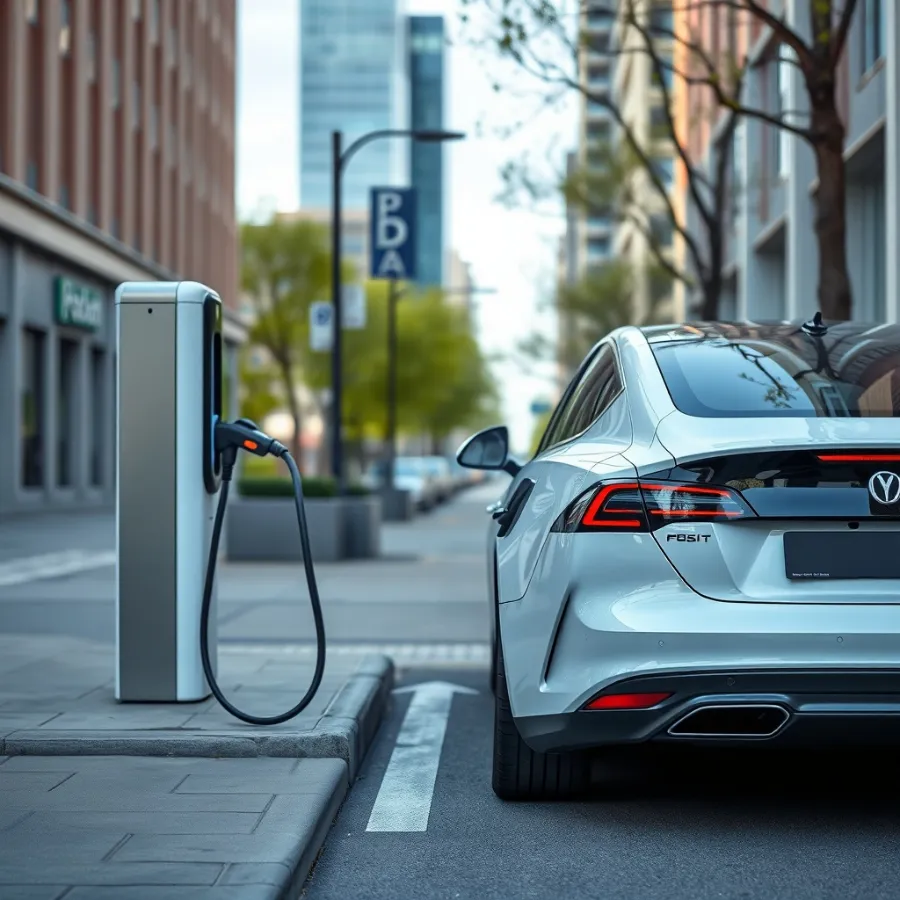
Quick answer: the cheapest electric car you can buy new in the US is the 2027 Chevrolet Bolt at $28,995 (262 miles of range), with the redesigned Nissan Leaf close behind at $29,990 and 303 miles. Under $25,000 means shopping used — where the real bargains live.
Last updated: September 6, 2026. Prices are US MSRP including destination where noted; check current local pricing before buying. Before you compare sticker prices, it is worth checking EV depreciation rates by model, because the cheapest EV to buy is not always the cheapest to own.
Key takeaways
- Chevrolet Bolt ($28,995, 262 mi) is 2026’s price floor; the Nissan Leaf ($29,990, 303 mi) beats it on range and ships with a NACS port.
- The federal purchase credit is gone (ended Sept 2025) — today’s stickers are honest prices; state/utility incentives still stack.
- The cheapest electric car segment now delivers 250-300+ miles — range is no longer the budget compromise; slower fast-charging is.
- Used 2-3-year-old EVs in the teens are the true under-$25k play, protected by 8-year battery warranties.
- Running costs seal the math: ~$2-3 per 100 km at home rates vs $10-15 on gasoline.
- Global context: tariffs keep $12-20k Chinese models out of the US — Americans pay the world’s highest EV floor.
The Cheapest Electric Cars in 2026, Ranked
| Model | Starting price* | EPA range | The one-line verdict |
|---|---|---|---|
| Chevrolet Bolt (2027) | $28,995 | 262 mi | The price floor, now with 150 kW fast charging |
| Nissan Leaf (2026) | $29,990 | 303 mi | Most range per dollar + native NACS port |
| Fiat 500e | low-$30ks (heavy rebates common) | ~150 mi | City-only charmer; watch for deep discounts |
| Hyundai Kona Electric | $34,995 | 200 mi | Feature-rich subcompact SUV |
| Chevrolet Equinox EV | $34,995 (LT1) | 319 mi | Real compact-SUV space at a budget price |
| Toyota bZ (2026) | $39,095 | 235-314 mi | Toyota reliability pitch, improved range |
| Kia Niro EV | $41,195 | 253 mi | Practical but outpriced by its Hyundai cousin |
*US MSRP; Bolt/Leaf/Equinox figures include destination per manufacturer announcements. Trim availability and dealer pricing vary.
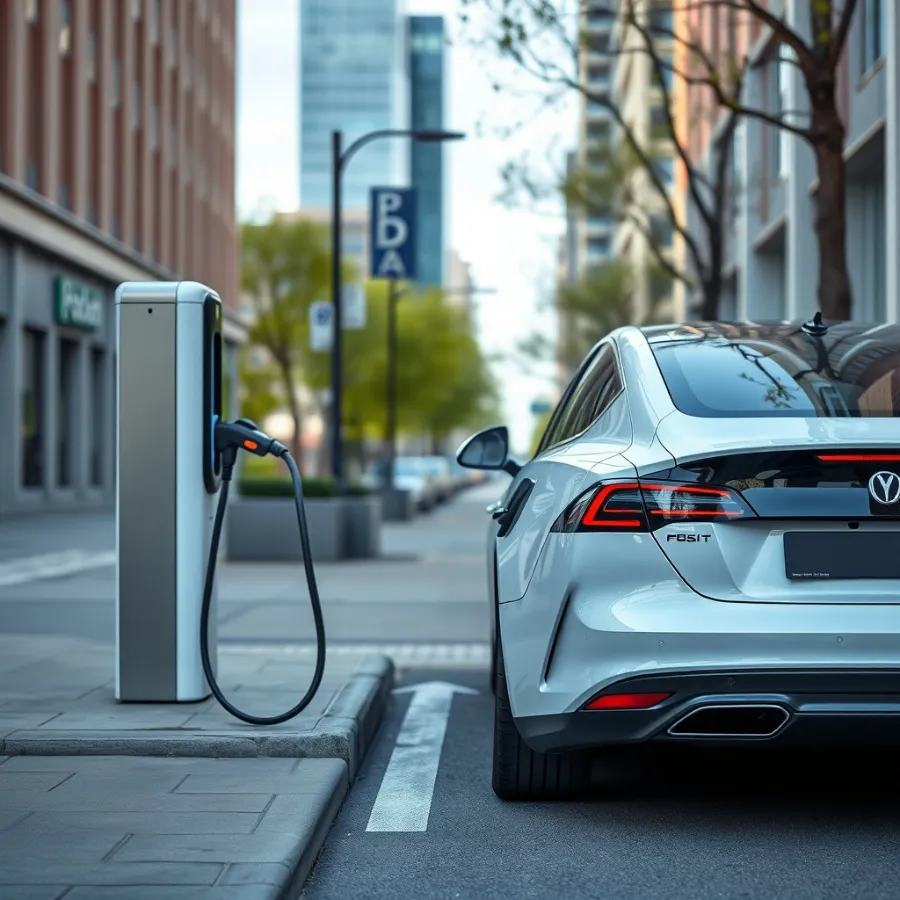
The headline is the top two: for under $30,000, buyers now choose between the cheapest electric car outright (Bolt) and the range champion (Leaf) — a choice that would have cost $10,000 more three years ago.
Bolt vs Leaf: The Only Comparison Most Budget Buyers Need
| Factor | Chevrolet Bolt | Nissan Leaf |
|---|---|---|
| Price | $28,995 — wins by ~$1,000 | $29,990 |
| Range | 262 mi | 303 mi — wins by 41 mi |
| Fast charging | 150 kW | Competitive, plus NACS = Supercharger access |
| Home charging | J1772 | NACS + J1772 inlet flexibility |
| Body style | Hatchback | Crossover-styled hatch |
Practical tiebreakers: if road trips feature monthly, the Leaf’s range and Tesla-network access argue loudest; if the car is a commuter with home charging (see our Level 2 EV charger guide), the Bolt’s lower price wins and 262 miles never gets tested.
What “Cheapest” No Longer Means
The compromises the cheapest electric cars carried in 2020 — sub-150-mile range, glacial charging, spartan cabins — have mostly vanished. Today’s cheapest electric cars carry the same 8-year/100,000-mile battery warranties as premium EVs, earn competitive crash-test ratings, and ship with modern driver assistance. The honest remaining trade-offs: DC fast-charge speeds trail the 800V premium class (a 10-80% stop takes ~35-45 minutes instead of 18-25), interiors use harder plastics, and towing is minimal. None of those touch the daily commute that defines these cars’ real job.
For how those crash-test results are produced and what they cover, see electric vehicle safety ratings.
The Real Math: What the Cheapest Electric Cars Cost to Own
| Cost line (5 years, ~12k mi/yr) | Budget EV (~$29k) | Comparable gas car (~$24k) |
|---|---|---|
| Energy/fuel | ~$2,500 (home charging) | ~$8,000-9,500 |
| Maintenance | ~$1,500 (no oil, fewer wear items) | ~$3,500-4,500 |
| Purchase premium | +$5,000 | — |
| Net 5-year position | EV typically $2,500-6,000 ahead, before resale differences | |
The math tightened when the federal credit died, but home charging keeps it EV-positive for anyone with a driveway — the per-kWh detail lives in our EV charging at home guide, and grid-mix emissions in EV charging and grid emissions.
Under $25,000: The Used Route
None of the cheapest electric cars crack $25k new in the US today, but the used market does it daily. Off-lease Bolts, Leafs and Kona Electrics from 2022-2024 commonly list in the mid-teens to low $20s, still inside their transferable 8-year battery warranties.
Whether a car counts as US-assembled is decided by its VIN and window sticker, not the badge; see our final assembly VIN check.
For the case for going used in more detail, see the benefits of buying used electric cars.
The buyer’s checklist is short and battery-centric: pull a battery health report (dealers and services report state-of-health; ~90%+ at 3 years is normal), confirm fast-charge behavior on a test drive, and check whether the original warranty transferred. Fleet data covered in our EV battery health guide shows degradation fears are the most overpriced risk in used-EV shopping.
Depreciation on the Cheapest Electric Cars
Used-value curves on the cheapest electric cars have been volatile — early price cuts by premium makers dragged the whole market’s residuals down through 2023-2024, then stabilized as the segment matured. What the recent data suggests: mainstream budget EVs from full-line makers (Chevrolet, Nissan, Hyundai/Kia) now depreciate on curves converging with equivalent gas cars, while orphaned or low-volume models fall faster. The buyer’s defenses are simple — favor high-volume models with entrenched service networks (every car in our ranking table qualifies), keep charging habits gentle for a documented battery-health story at resale, and remember that a car bought $10,000 under the 2022 price of the same capability has already banked most of the depreciation a first owner used to eat.
For sellers-to-be, one practical asset: an exported battery health report at listing time measurably shortens sale cycles for the cheapest electric cars, because it answers the only question used-EV shoppers actually fear — the pack. The fleet evidence behind that reassurance is collected in our EV battery health guide.
Why America’s Cheapest Is the World’s Priciest
A necessary global footnote: the US cheapest-electric-car floor (~$29,000) is roughly triple the entry price in open markets, where Chinese-built models start near $10,000-12,000. The 100% tariff — not technology — sets that gap, as our Chinese electric cars guide details. For US buyers the practical meaning is twofold: don’t wait for a $15,000 new EV (policy blocks it for now), and watch for tariff-driven strategy shifts — locally built budget models from Chinese or Western makers are the likeliest path to a genuinely cheaper floor by decade’s end. The macro pricing trends live on our EV statistics page.
Cheapest Electric Cars by Body Style
| Need | Cheapest fit | Why |
|---|---|---|
| Pure commuter hatch | Chevrolet Bolt | Lowest sticker, right-sized, 262 mi covers weeks of commutes |
| Family compact SUV | Chevrolet Equinox EV | $34,995 with 319 mi — the value shock of the class |
| Small SUV, feature-first | Hyundai Kona Electric | Loaded cabin; accept the 200 mi range honestly |
| City runabout | Fiat 500e (on rebate) | Short range, big discounts, effortless parking |
| Range maximalist on a budget | Nissan Leaf | 303 mi + NACS under $30k has no rival |
Leasing the Cheapest Electric Cars: When It Wins
Leasing deserves a hard look on the cheapest electric cars for three reasons. Battery tech is improving fast enough that a 3-year lease sidesteps long-term chemistry bets. Lease deals on the cheapest electric cars are frequently subsidized below their purchase math — makers move metal to hit EV targets, and Fiat/Hyundai/Kia promotions regularly undercut equivalent financing. And leasing transfers resale risk in a young market where residuals are still finding their level. The counter-case: home-charging commuters who keep cars 8+ years extract the full battery-warranty value and win by owning. Run both numbers; the answer flips household by household.
The interest deduction runs through Form 1098-VLI; see our guide to the vehicle loan interest statement.
How to Pay Even Less for the Cheapest Electric Cars
| Move | Typical saving |
|---|---|
| Shop quarter-end and model-year turnover | $1,000-3,000 in dealer/maker incentives |
| Check state + utility rebates BEFORE choosing | $500-4,000 depending on state |
| Price the outgoing model year | Prior-year Leafs/Konas discount steeply at redesign time |
| Claim the 30C charger credit before Jun 30, 2026 | 30% of home-charger cost up to $1,000 |
| Compare insurance quotes across the shortlist | EV premiums vary widely by model |
One warning from the post-credit market: some listings still advertise “after potential savings” prices baking in expired federal credits. The sticker rule for the cheapest electric cars in 2026 is simple — trust MSRP plus destination, verify everything else in writing.
Cheapest Electric Cars vs Cheapest Hybrids: Which Budget Path?
The honest crossroads for many shoppers is not EV-vs-EV but EV-vs-hybrid. A $25,000-class hybrid beats the cheapest electric cars — wait, restated: it beats them the cheapest electric cars on sticker and refuels anywhere — but it keeps oil changes, a combustion drivetrain’s maintenance tail, and fuel costs that never approach home-charged electricity. The decision rule that survives contact with real budgets: a driveway or reliable overnight outlet makes the EV math win within the ownership period; street parking with no charging access makes the hybrid the rational bridge. Renters in between should read the no-garage strategies in our EV charging at home guide before deciding — workplace charging alone flips the answer for many.
| Factor | Budget EV (~$29k) | Budget hybrid (~$25k) |
|---|---|---|
| Energy cost / 100 km | ~$2-3 (home) | ~$6-8 |
| Maintenance profile | Minimal; battery as scheduled item | Full combustion schedule, smaller battery |
| Refueling flexibility | Needs charging access | Any gas station |
| 5-year cost winner | With home charging: EV | Without charging access: hybrid |
Insurance, Registration and the Small-Print Costs
Two line items surprise first-time buyers of the cheapest electric cars. Insurance quotes vary by model far more than in the gas world — repair-network maturity drives premiums, so quote your exact shortlist before signing; the spread between a Bolt and a niche import can exceed $600/year. And a growing number of US states levy annual EV registration fees ($50-250) to replace lost gas-tax revenue — legitimate, but worth adding to the five-year math. Neither changes the ranking above; both belong in an honest total-cost picture, which is why our cost table earlier flags them rather than burying them.
On the plus side of the small print: many utilities offer EV-specific overnight rates that cut the energy line by 30-50%, and several bundle a free or subsidized Level 2 charger with enrollment — a benefit that effectively refunds a chunk of the purchase premium and is claimed in an afternoon of paperwork.
Living With a Budget EV: The First 90 Days
New owners of the cheapest electric cars converge on the same three discoveries. First, home charging redefines the car: plugging in nightly takes ten seconds, and the “range” question dissolves into “did I plug in”.
That is why sorting the driveway setup (our Tesla and general Level 2 charger guides apply brand-agnostically) matters more than any spec. Second, the fast-charging etiquette learning curve is real but short: one road trip teaches the 10-80% rhythm and the app stack, as covered in our EV charging stations guide.
Third, the fuel-cost line item quietly vanishes — most budget-EV households report their first “wait, I haven’t bought gas in two months” moment inside the first quarter, which is the entire value thesis of the cheapest electric cars compressed into one sentence.
Two settings to change on day one, whatever the badge: cap daily charging at 80-90% unless the pack is LFP (the manual says which), and schedule charging into off-peak hours if your utility prices them — the single change that can halve energy costs, per the tariff mechanics in EV charging and grid emissions.
Myths About Cheap EVs, Tested
“Cheap EV batteries die young.” The cheapest electric cars carry the same 8-year/100k-mile battery warranties as luxury EVs, and fleet telemetry shows ~90% capacity at 3 years as the norm — chemistry does not know the trim level.
“You get 100 miles of real range.” A 2019 worry: today’s floor is 200 miles, the value leaders run 262-319. Winter trims any EV 15-30%, budget or not.
“They’re golf carts on the highway.” Instant torque means even base EVs out-sprint comparable gas economy cars to 30 mph; highway merging is a solved problem across the class.
“Wait a year and prices will crash.” Partly true, forever: batteries get ~8% cheaper yearly, but tariffs hold the US floor and waiting costs you fuel savings every month. Buy when the household math works, not the headline.
What Could Change This List
Three watch items for the next update of this cheapest electric cars guide: rumored sub-$30k entries from Kia and VW’s US-built ID. line; any tariff or trade shift that lets lower-cost imports in (the wildcard our Chinese electric cars guide tracks); and sodium-ion packs, which promise city-car prices below today’s LFP floor late this decade. Pricing moves fast — the last-updated date above reflects the newest verified MSRPs, per our editorial policy.
Quick Buyer Checklist
One meta-tip that applies across every model in this cheapest electric cars ranking: test-drive on YOUR roads, not the dealer loop. Budget EVs tune suspensions and cabin insulation differently, and ten minutes on your actual commute — the highway on-ramp, the broken pavement, the parking garage ramp — reveals more than any spec sheet. Bring your own phone for the CarPlay/Android Auto handshake too; infotainment friction is the most-reported daily annoyance in owner surveys of the cheapest electric cars, and it is entirely testable before purchase.
Before signing on any of the cheapest electric cars, run this five-minute list: confirm the exact trim’s EPA range (base trims sometimes carry smaller packs), verify the fast-charge rate in kW (the spec that separates 25-minute stops from 50), sit in the back seat if the car will carry adults, price insurance on the VIN, and stack every state and utility incentive in writing. Five checks, no surprises — and the winning pick usually announces itself by the third one.
The incentive landscape changed completely in late 2025 — our EV tax credit guide covers exactly what still pays in 2026 and how to claim it.
Cold-climate shoppers: check the heat-pump line on any budget model — our EV battery performance in cold weather guide shows it is worth ~10% of winter range.
Purchase price is only the opening move — our EV ownership costs guide itemizes the five-year picture, hidden fees included.
Worried a budget battery means constant stress? The EV range anxiety guide shows why charging setup matters more than pack size.
Budget models win twice: low prices AND the short service list in our electric vehicle maintenance guide.
Whatever pack you choose, the free habits in our EV driving range guide add 15-25% on top.
LFP and sodium-ion are why budget EVs keep getting better — see our advanced battery technology guide.
Once price alone isn’t the only factor, see which affordable electric cars fit your specific situation best.
Should you wait for better batteries before buying? See solid state batteries are the future for the honest timeline.
Whatever mandates do, the market case keeps improving — see our zero emission vehicle 2035 policy update for context.
Every model on this list carries this same lifetime advantage — see our electric car carbon footprint guide for the full numbers.
The cleanest alternative to the vehicles on this list is covered in our most polluting vehicles comparison.
Before you buy, get an insurance quote — see our EV insurance costs guide for why it varies so much by model.
Wondering if the switch pays off? See our electric vehicles are worth it guide.
Frequently Asked Questions
Weighing whether an EV is right for you at all? Our electric cars pros and cons guide lays out the honest trade-offs.
Considering the alternatives? See how a hydrogen car actually compares to battery electric.
What is the cheapest electric car in 2026?
The 2027 Chevrolet Bolt is the cheapest new electric car in the US at $28,995 including destination, with 262 miles of EPA range. The redesigned 2026 Nissan Leaf follows at $29,990 with a longer 303-mile range and a native NACS port.
Is there an electric car under $25,000?
Not new in the US market right now — the Bolt at ~$29,000 is the floor. Under $25,000 means the used market, where 2-3-year-old Bolts, Leafs and Kona Electrics routinely sell in the teens with usable battery warranties remaining.
Do cheap electric cars qualify for tax credits?
The federal purchase credit ended in September 2025, so 2026 pricing is largely post-credit. State and utility incentives still apply in many places, and the separate home-charger credit (30C) runs until June 30, 2026.
Are cheap EVs worth it compared with used Teslas?
Often yes for warranty and the latest battery chemistry; a used Model 3 may beat them on charging network access. Compare total cost: new-EV warranty plus lower insurance often offsets the used car\u0027s lower sticker.
What is the catch with the cheapest electric cars?
Slower DC fast charging is the common trade-off (the Bolt fast-charges at 150 kW, older budget EVs at 50-100 kW), plus smaller footprints and fewer luxury features. Range, safety and warranty are no longer where the corners get cut.
Why are new EVs cheaper in other countries?
Scale and competition: Chinese-built models start near $10,000-20,000 in open markets, and battery packs cost 44-56% less in China. The 100% US tariff keeps those prices out — see our Chinese electric cars guide for the full picture.
Sources and Further Reading
- InsideEVs — 2027 Bolt vs 2026 Leaf
- U.S. News — Cheapest Electric Cars
- CarGurus — Cheapest New Electric Cars
- US DOE — State Laws and Incentives (AFDC)
EV vs hybrid cars comparison is worth a closer look if you want the full picture.
why SUV size matters for emissions is worth a closer look for the full picture.
EV resale value is worth a closer look for the full picture.
Every figure on this page is dated and linked to its source. How we verify · Editorial policy · Report a correction
Related Posts

Leave a Comment
Your comment will be published after it has been approved. Please send comments that do not contain slang words.