
EV Charging Speed Explained
Updated September 2, 2026 · 3 min read
Table of Contents
- Factors Affecting EV Charging Speed
- Types of EV Chargers
- Impact of Charging Infrastructure
- Regional Variances in EV Charging Speed
- Frequently Asked Questions
Factors Affecting EV Charging Speed
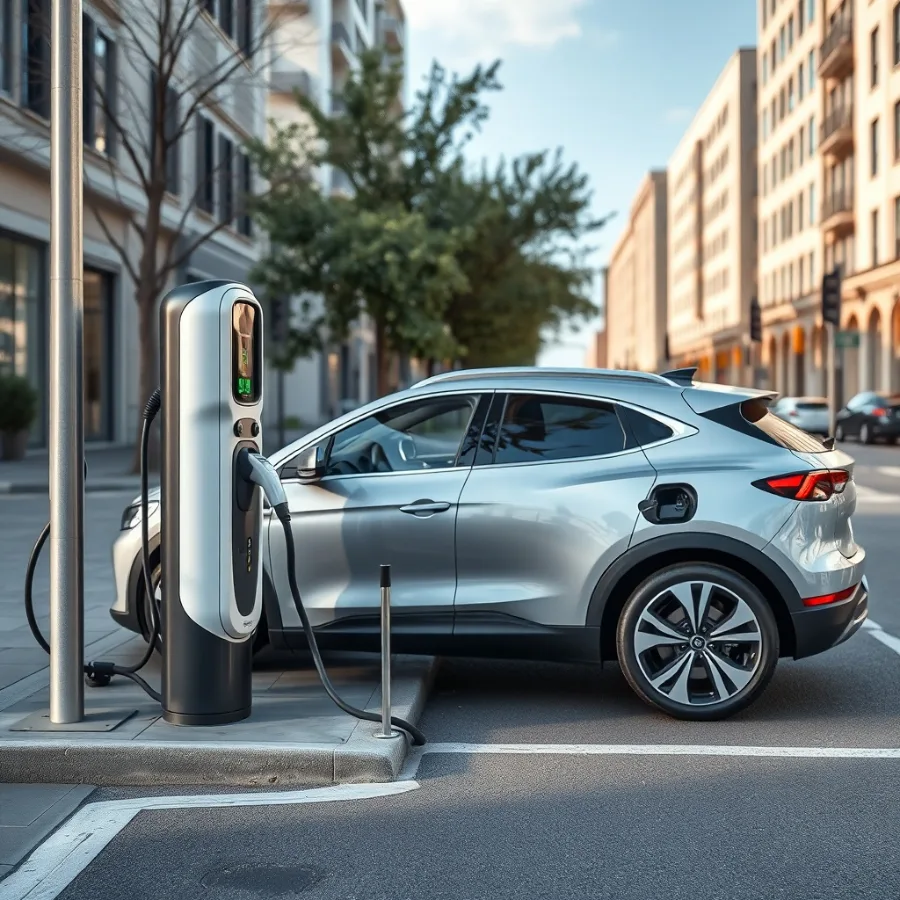
Several key factors influence the speed at which an electric vehicle can be charged. These include:
- Battery Capacity: The size of the vehicle’s battery determines how much energy it can store and how quickly it can be replenished.
- Charger Power Rating: Higher power chargers can deliver more electricity to the vehicle, resulting in faster charging times.
- Temperature: Extreme temperatures, both hot and cold, can affect the efficiency of charging and the overall speed.
- Battery State of Charge: The current level of charge in the battery can impact how quickly it can accept additional energy.
For a detailed comparison of emissions between diesel and electric vehicles, visit ZeroCarbonDrive.
Types of EV Chargers
There are several types of EV chargers available, each offering different charging speeds:
- Level 1 Chargers: These chargers use a standard 120-volt household outlet and provide the slowest charging speed.
- Level 2 Chargers: Found in residential and public settings, these chargers offer faster charging speeds than Level 1 chargers.
- DC Fast Chargers: Also known as Level 3 chargers, these high-power chargers can provide rapid charging for EVs, especially on long trips.
For insights into smart traffic systems and their role in sustainable transportation, visit ZeroCarbonDrive.
Impact of Charging Infrastructure
The availability and accessibility of charging infrastructure play a significant role in the adoption of electric vehicles. A robust charging network with a variety of charger types can encourage more drivers to switch to electric. Moreover, the integration of renewable energy sources into the grid can further enhance the environmental benefits of EVs.
Regional Variances in EV Charging Speed
- US: The United States has been expanding its EV charging infrastructure rapidly, with a focus on increasing charging speed and convenience for drivers.
- EU: The European Union has set ambitious targets for EV adoption and charging infrastructure development to reduce emissions and combat climate change.
- China: China leads the world in EV sales and has invested heavily in charging infrastructure to support this growing market.
- India: India is ramping up its efforts to promote electric mobility and expand charging networks in major cities to reduce pollution and dependence on fossil fuels.
Related guides: Electric vehicle charging speed explained, Megawatt Charging For Trucks and Is EV Charging Cheaper Than Gas.
Curious what removes today’s speed limits entirely? Read the solid state battery vs lithium-ion breakdown.
For complete timing tables by charger type, see our electric car charging time guide.
Frequently Asked Questions
How fast can an electric vehicle charge?
The charging speed of an electric vehicle can vary depending on the charger type and the vehicle’s battery capacity. DC fast chargers can provide rapid charging, allowing EVs to recharge to 80% in under an hour.
Are all EV chargers the same?
No, EV chargers come in different power ratings and connector types, resulting in varying charging speeds. It’s essential to use the right charger for your vehicle to optimize charging efficiency.
What role does renewable energy play in EV charging?
Integrating renewable energy sources into the grid can make EV charging more sustainable by reducing carbon emissions associated with electricity generation. This shift towards cleaner energy enhances the overall environmental benefits of electric vehicles.
How does EV charging speed impact the grid?
Rapid charging at peak times can strain the electricity grid, leading to potential issues with grid stability and energy demand management. Smart charging solutions and time-of-use pricing can help alleviate these challenges and optimize grid performance.
TAGS: ev charging, electric vehicles, charging speed, clean energy, sustainable mobility, charging infrastructure
Sources and Further Reading
Related Posts

Leave a Comment
Your comment will be published after it has been approved. Please send comments that do not contain slang words.