
Level 2 vs Level 3 Charging
Updated September 18, 2026 · 3 min read
Table of Contents
- Level 2 Charging
- Level 3 Charging
- Charging Infrastructure
- EV Adoption Trends
- Regional Comparison
- Frequently Asked Questions
Level 2 Charging
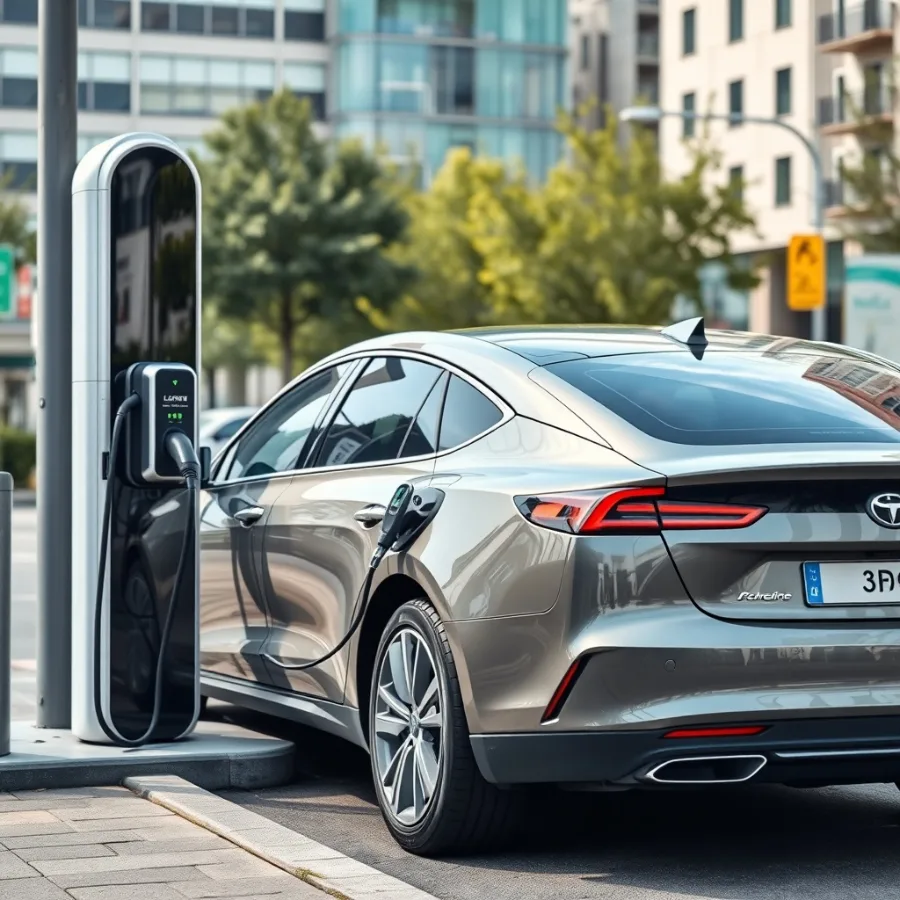
Level 2 charging is a common type of electric vehicle charging that operates at 240 volts, typically using a 40-amp circuit. This level of charging provides faster charging speeds than a standard household outlet, making it a popular choice for residential charging stations, workplaces, and public charging infrastructure in many regions.
- Level 2 chargers are capable of adding around 10-60 miles of range per hour of charging, depending on the vehicle and charger specifications.
- These chargers are relatively affordable to install and are compatible with most electric vehicles on the market today.
- Level 2 charging is suitable for overnight charging at home or during the workday for longer-range commuting.
- For more information on CO2 emissions related to electric vehicles, check out ZeroCarbonDrive.
Level 3 Charging
Level 3 charging, also known as DC fast charging, operates at much higher power levels than Level 2 chargers, typically ranging from 50 kW to 350 kW or higher. These chargers are designed for rapid charging on the go, allowing drivers to quickly top up their EV batteries during longer journeys.
- Level 3 chargers can add around 60-100 miles of range in as little as 20-30 minutes, making them ideal for road trips and fast refueling stops.
- These chargers are more expensive to install and operate than Level 2 chargers due to their higher power requirements and specialized equipment.
- Level 3 charging is key to reducing charging times and increasing the convenience of electric vehicles, particularly for drivers who rely on their vehicles for long-distance travel.
- To learn more about smart traffic systems and their impact on urban mobility, visit ZeroCarbonDrive.
Charging Infrastructure
The availability and accessibility of charging infrastructure play a vital role in the adoption and success of electric vehicles. Building out a robust network of both Level 2 and Level 3 charging stations is essential for supporting the growing number of EVs on the road.
- Public charging networks are expanding rapidly, with many countries and regions investing in the deployment of fast chargers along highways and in urban areas.
- Charging station operators are working to standardize connectors and payment systems to improve the user experience and encourage EV adoption.
- Increased collaboration between automakers, utilities, and governments is helping to accelerate the development of charging infrastructure to meet the needs of EV drivers.
EV Adoption Trends
The shift towards electric vehicles is gaining momentum around the world, driven by factors such as environmental concerns, government incentives, and technological advancements. Understanding the trends in EV adoption can provide insights into the future of transportation.
- Many countries are setting ambitious targets for phasing out internal combustion engine vehicles in favor of electric vehicles to reduce emissions and combat climate change.
- Automakers are investing heavily in electric vehicle development, introducing a wide range of EV models with improved range, performance, and affordability.
- Consumers are increasingly choosing electric vehicles for their lower operating costs, reduced environmental impact, and advanced features compared to traditional gasoline vehicles.
Regional Comparison
- US: In the United States, the rollout of charging infrastructure varies by state, with some regions leading in EV adoption and charger deployment.
- EU: European countries have ambitious plans to expand their charging networks and promote electric vehicle use through incentives and regulations.
- China: China is the world’s largest market for electric vehicles, with significant government support for EV adoption and charging infrastructure development.
- India: India is emerging as a key player in the electric vehicle space, with growing investments in EV manufacturing and charging infrastructure.
Related guides: Megawatt Charging For Trucks, Is EV Charging Cheaper Than Gas and EV Charging Cost By Country.
Frequently Asked Questions
How do Level 2 and Level 3 charging differ in terms of speed?
Level 3 charging is significantly faster than Level 2 charging, offering much quicker refueling times for electric vehicles, especially during long trips.
Are Level 3 chargers more expensive to install than Level 2 chargers?
Yes, Level 3 chargers require higher power infrastructure and specialized equipment, making them more costly to install and operate compared to Level 2 chargers.
Which regions are leading the way in terms of electric vehicle adoption?
European countries and China are at the forefront of electric vehicle adoption, with robust charging infrastructure and supportive government policies driving EV sales in these regions.
How can charging infrastructure impact the growth of electric vehicles?
A well-developed charging infrastructure network is essential for the widespread adoption of electric vehicles, providing drivers with the confidence and convenience to switch to EVs as their primary mode of transportation.
TAGS: electric vehicles, charging infrastructure, EV charging speeds, fast charging technology, sustainable mobility
Sources and Further Reading
Every figure on this page is dated and linked to its source. How we verify · Editorial policy · Report a correction
Related Posts

Leave a Comment
Your comment will be published after it has been approved. Please send comments that do not contain slang words.