
Benefits of going carbon zero
Updated September 2, 2026 · 4 min read
As we navigate through the challenges of climate change, the concept of going carbon zero has emerged as a crucial solution to combat the environmental crisis we face. Transitioning to renewable energy sources and implementing sustainable practices not only helps reduce our carbon footprint but also brings about a myriad of benefits for the planet and future generations. In this article, we will delve into the various advantages of embracing a carbon-zero lifestyle and how it can positively impact our world.
Environmental Impact How does going carbon zero benefit the environment
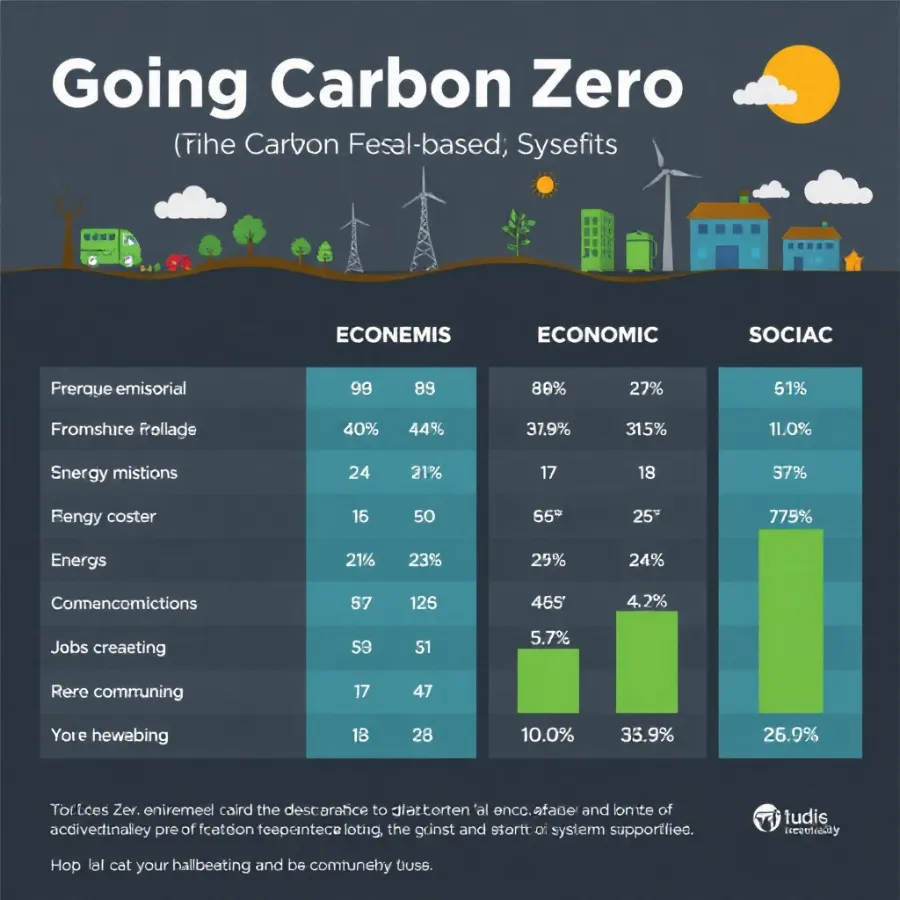
Embracing carbon zero practices significantly reduces greenhouse gas emissions, which are the primary drivers of climate change. By transitioning to renewable energy sources such as solar, wind, and hydroelectric power, we can decrease our reliance on fossil fuels and minimize air pollution. This shift towards cleaner energy not only improves air quality but also helps preserve biodiversity and ecosystems that are vital for a healthy planet.
Economic Advantages What financial benefits come with adopting carbon zero practices
Investing in green technologies and sustainable practices can lead to long-term cost savings for individuals, businesses, and governments. By reducing energy consumption and utilizing renewable resources, we can lower utility bills, create new job opportunities in the green sector, and stimulate economic growth. Additionally, transitioning to carbon zero practices can enhance energy security and reduce the financial risks associated with volatile fossil fuel markets.
Social Implications How does going carbon zero affect communities and society
The adoption of carbon zero practices fosters a sense of community resilience and empowerment. By promoting energy efficiency, sustainable transportation, and eco-friendly urban planning, we can create healthier and more livable cities for all residents. Moreover, prioritizing environmental sustainability can address social inequalities, improve public health outcomes, and enhance overall quality of life for individuals from diverse backgrounds.
Policy and Regulation What role do government initiatives play in promoting carbon zero practices
Government policies and regulations play a critical role in accelerating the transition to a carbon-zero economy. By implementing carbon pricing mechanisms, renewable energy incentives, and emission reduction targets, policymakers can create a supportive framework for businesses and individuals to embrace sustainable practices. International agreements such as the Paris Agreement also provide a roadmap for global cooperation in tackling climate change and advancing towards a carbon-neutral future.
Technological Innovations How are advancements in green technology driving the shift towards carbon zero solutions
The rapid development of green technologies such as energy storage systems, electric vehicles, and smart grids is revolutionizing the way we produce and consume energy. These innovations not only enable greater integration of renewable energy sources into the grid but also enhance energy efficiency and resilience. By harnessing the power of digitalization and artificial intelligence, we can optimize energy management systems and accelerate the deployment of carbon zero solutions on a larger scale.
Behavioral Change What role do individual actions play in achieving carbon zero goals
At the heart of the transition to a carbon zero society lies the need for individual behavioral change. By adopting sustainable lifestyle choices such as reducing waste, conserving water, and supporting eco-conscious businesses, each person can contribute to the collective effort of mitigating climate change. Educating communities about the importance of environmental stewardship and fostering a culture of sustainability are essential steps towards creating a more resilient and carbon-neutral future for all.
Corporate Responsibility How can businesses lead the way in embracing carbon zero practices
Businesses have a crucial role to play in driving the transition towards a carbon-zero economy. By implementing sustainable supply chains, reducing emissions in their operations, and investing in renewable energy projects, companies can demonstrate leadership in environmental stewardship and social responsibility. Embracing transparency and accountability in reporting their carbon footprint can also build trust with consumers and investors who are increasingly prioritizing sustainability in their decision-making processes.
Global Collaboration Why is international cooperation essential in achieving carbon zero targets
Addressing the complex challenges of climate change requires a coordinated global response. International collaboration and knowledge-sharing are essential in advancing carbon zero goals and ensuring a sustainable future for all. By working together across borders, sharing best practices, and supporting developing countries in their transition to clean energy, we can accelerate the pace of decarbonization and create a more resilient and equitable world for generations to come.
Education and Awareness How can public awareness campaigns drive societal change towards carbon zero practices
Raising awareness about the benefits of going carbon zero is key to inspiring widespread action and behavior change. Public education campaigns, community outreach programs, and media initiatives can help inform individuals about the importance of environmental sustainability and empower them to make informed choices in their daily lives. By fostering a culture of environmental consciousness and climate resilience, we can build a more sustainable future for our planet and safeguard the well-being of future generations.
Continuous Innovation What role does research and development play in advancing carbon zero solutions
Investing in research and development is crucial for unlocking new opportunities and driving innovation in the field of carbon zero technologies. By supporting scientific breakthroughs, technological advancements, and interdisciplinary collaborations, we can accelerate the transition to a sustainable, low-carbon economy. Encouraging investment in clean energy research, promoting cross-sector partnerships, and fostering a culture of innovation are essential steps towards achieving our carbon zero goals and building a greener, more prosperous world for all.
Related guides: What Is Carbon Zero and How Does It Differ From Net Zero?, Carbon zero vs carbon neutral, Is Carbon Negative Better Than Carbon Zero?
Sources and Further Reading
Related Posts


Leave a Comment
Your comment will be published after it has been approved. Please send comments that do not contain slang words.